

New research looking at social media hate before and after the October 7 attacks shows antisemitism and Islamophobia got worse, then stayed bad.
Articles on Online hate
Displaying 1 - 20 of 47 articles

The Liberal government has signalled it will not restore federal hate speech provisions or bring in new online safety legislation. A researcher explains what that means for the Canadians most at risk.
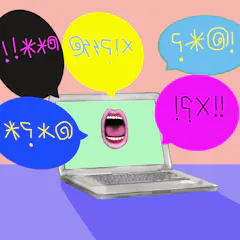
Repeating harmful ideas online, or regularly making fresh accusations, keeps hate groups alive.
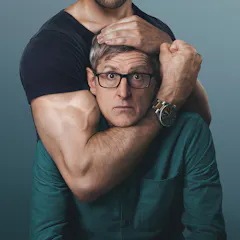
Louis Theroux (perhaps unintentionally) shows us that a traditional TV documentarian like him no longer holds the power.
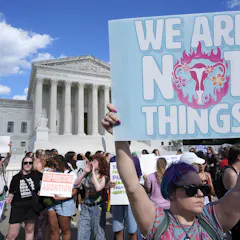
Online misogyny isn’t just fringe — it’s baked into the architecture of the internet itself and, increasingly, serves as a powerful political tool.
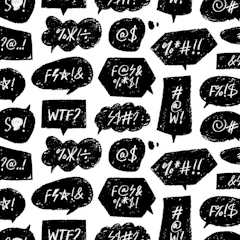
Hate comments are often hidden behind symbols, or additional characters – slipping past keyword-based filters. But a new tool helps moderators see past these techniques to identify toxicity online.
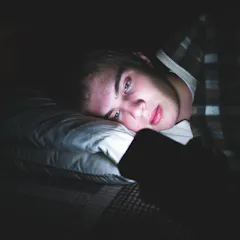
Exposure to extreme content does not guarantee radicalisation. Extremist messaging is most effective when it taps into real and perceived grievances young people may be experiencing.
Social media algorithms, anonymity and viral culture combine to amplify online abuse. To combat trolling, everyone must work together.
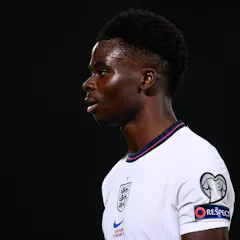
The abuse heaped on players in high-profile matches is just the tip of the iceberg – a culture of online abuse permeates football at all levels.
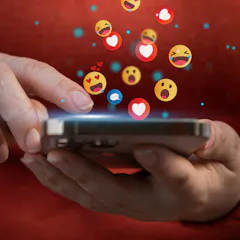
Hate is for the haters. Much of the thrill of posting toxic messages can come from the attention and social approval a poster gets from like-minded people.
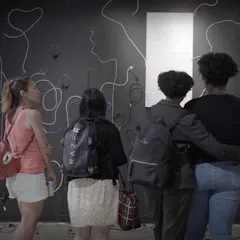
To inform university responses to online harassment affecting graduate students, artist-researchers created original artworks in response to interviews with their peers who experienced online hate.

LGBTQ+ people face significant harms from online hate.

Efforts to disrupt online misogyny need to focus on stopping online forums from becoming misogynistic echo-chambers.

Those who feel disenfranchised from mainstream leaders are vulnerable to falling for the promises of online ‘leaders’ and ‘alt-moral entrepreneurs’.
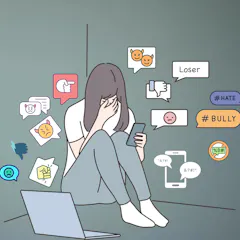
Most young people regard reining in the big social media platforms as only part of the solution to the ‘relentless stream’ of abuse and shaming they experience online

Online personalities like Andrew Tate are using social media to amplify their misogynist and anti-woman rhetoric. Social media companies deplatforming them can cut them off from followers and revenue.
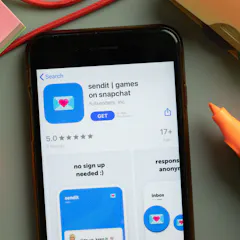
Anyone who has trawled through an internet forum will have seen how anonymity can change people. What happens when young people are thrown into the mix?
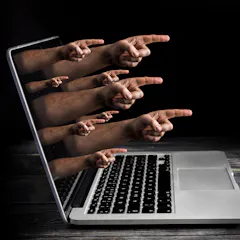
Regulating online hate speech can have unintended consequences, such as reinforcing right-wing narratives and further marginalizing vulnerable communities.
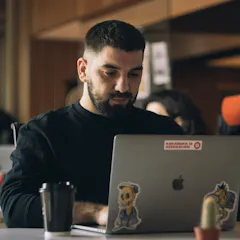
We all have a role to play to address hostility online.
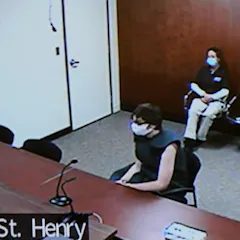
Disturbing online posts and written messages were purportedly left by Ethan Crumbley in the days running up to deadly school shooting.
Top contributors
-

Associate Professor of Communication and Media Studies, Pace University
-
Adjunct Senior Lecturer, Applied Ethics and CyberSecurity, Griffith University
-
Associate Professor of Communications (Social Media), Syracuse University
-
Professor of Communication, Baylor University
-
Horizon Postdoctoral Fellow, Department of Education, Concordia University
-
Senior Lecturer, Master of Cyber-Security Program (Law), La Trobe University
-
Assistant Professor of Rhetoric and Technology, Kansas State University
-
Professor of Media Studies, Queensland University of Technology
-
Associate Professor in International Development Studies, Dalhousie University
-
Associate Professor in Education, Concordia University
-
Associate Professor, Criminology, Department of Social Science, York University, Canada
-
Postgraduate Teaching Assistant, University of East London
-
Lecturer in Law, Keele University
-
PhD in Sociology, University of Southampton
-
Researcher, Dalhousie University