
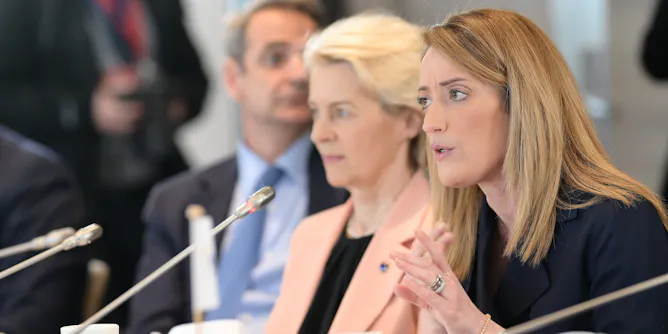
71% of the toxic messages we studied were directed at female candidates.
Articles on Online abuse
Displaying 1 - 20 of 109 articles
New research looking at more than 1,300 posts directed toward witnesses reveals vitriolic abuse. Royal commissions need updating for the digital age.
A new study examining online hate during the so-called March for Australia rallies found white supremacy was rife. But there are patterns we can see to help stop it.

Thousands of men around the world, including in Australia, have formed online communities to trade in rape content and advice. They do it to impress one another.

Government and tech firms need to step up.

As digital technology becomes ever more sophisticated, AI tools are increasingly being used to target woment with abusive and misogynistic onine content.

Women and girls need to feel safe in the sporting world.

Social media platforms serve as modern public forums where democratic debates take place.

Unmasking dark web criminals isn’t easy, but researchers are figuring out how to use their own language against them.
Online abuse designed to humiliate, coerce or silence women and minority politicians is taking its toll. With a general election next year, the rules have to change.

AI-generated child sexual abuse material is rising, and familial abuse is leading to the creation of new child sexual abuse material.
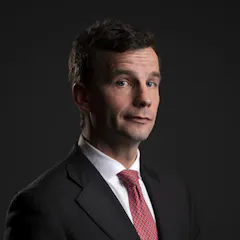
NZ Deputy Prime Minister David Seymour says his Victim of the Day posts are ‘a bit playful’. Yet not so long ago, he was demanding apologies for similar ‘jokes’.
A legal framework for protecting women MPs has already been developed. The government should revive it, and address the underlying causes of online abuse.

Science doesn’t occur in a vacuum – politics, harassment and intimidation can hamstring progress.

New analysis of more than 100,000 tweets has found that queer Australian politicians suffer more personal abuse online than straight politicians.

Relying on voluntary commitments to reduce online harm puts New Zealand out of step with other countries with legally enforceable rules to protect social media users’ safety.
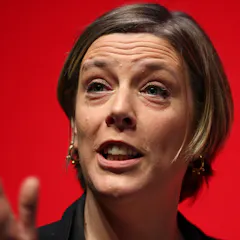
The consequences of this abuse are far broader than any one woman’s safety or wellbeing. The effect is to remove women from political debate entirely.

Facing an abusive backlash may make the cost of entry into public debate too high.

New research appears to have uncovered a large concentration of young women engaging in harmful online sexual behaviours.

Although tabloid gossip is a feature of any celebrity’s life, the longstanding and seemingly orchestrated media campaign against Meghan Markle is exceptional.
Top contributors
-

Senior Lecturer in Law, University of Canterbury
-
Lecturer in Law, Keele University
-
Lecturer in Criminal Justice and Social Policy, School for Business and Society, University of York
-
Canada Research Chair in Inequality and Gender, Western University
-
Doctoral researcher investigating governance of social media platforms, Queensland University of Technology
-
Professor of Family and Sexual Violence, RMIT University
-
Associate Professor, Federation University Australia
-
Professor of Global & Language Studies, RMIT University
-
Lecturer in Technology and Crime, Griffith University
-
Associate Professor of Criminology, Saint Mary’s University
-
Assistant Professor, Law, Dalhousie University
-
Postdoctoral fellow, Sociology, Western University
-
Associate Professor in Convergent and Online Media, University of Sydney
-
Senior Lecturer, Journalism and Digital Communication, University of Lancashire
-
Senior Lecturer in Marketing, University of Hull