

More workplaces are allowing employees to telecommute, but there are still barriers to more flexible arrangements.
Articles on Transport
Displaying 181 - 200 of 493 articles
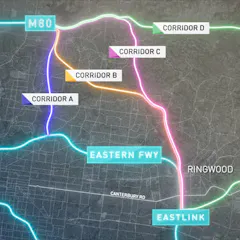
Transport modelling has been tarnished by its use to justify the predetermined projects politicians favour. But, if used more transparently, it’s a valuable tool for planning our future cities.
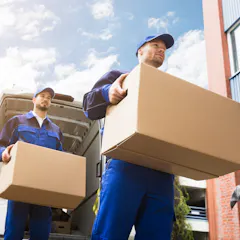
Delivery companies are constantly learning from past mistakes to better serve customers, but they neglect crucial energy, mobility and health issues.
Just 1kg of hydrogen can power a split-cycle air conditioner for 14.5 hours. The possibilities are endless - and now we have a plan to get there.
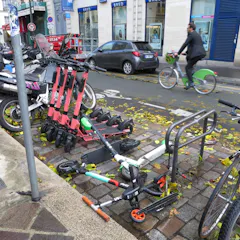
In major cities around the world, dockless scooters and bikes are everywhere, yet the companies themselves are often breathtakingly short-lived. Basic economic concepts give us clues why.
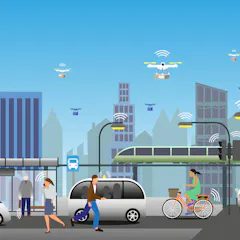
A whole range of social and technological changes could revolutionise how we travel in the coming decades.
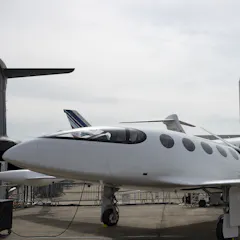
Small regional flights will soon start going electric but batteries are unlikely to ever fully power large airliners.

Malawi must change its diplomatic approach and align its national interests with Mozambique’s
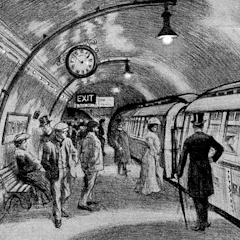
It’s hotter and more crowded on the Underground but some things have got better for commuters.
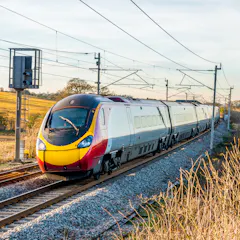
The future of zero-carbon transport starts today. First stop, Britain’s railways.
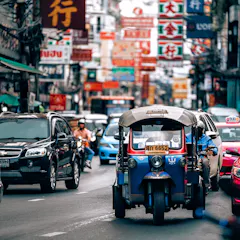
Electrifying transport needs bigger changes than another high-end electric car.
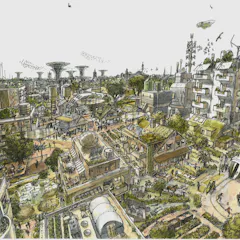
We need to create a transport system that is zero carbon – and socially just – in only a few years. We just need to recognise that it’s possible.
We can’t decarbonise the whole transport sector with just batteries - sustainable fuels are essential.

Parcel and courier delivery vehicles are often blamed for traffic congestion in our cities. But they’re only a fraction of the traffic caused by tradespeople and other services.

We’ve spent years publishing smart, practical research on real climate solutions. Now it’s time to put it all into practice.

Could Knight Rider’s KITT finally be on the horizon?
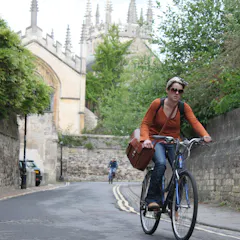
A substantial building programme is needed to rearrange our cities to benefit all types of journeys – not just commutes.
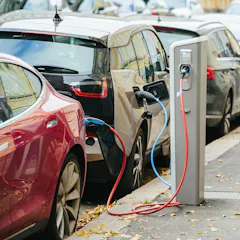
New Zealand has proposed new fuel standards, along with a consumer rebates for cleaner cars – paid for by higher costs for high-polluting cars – to cut its rising transport emissions.
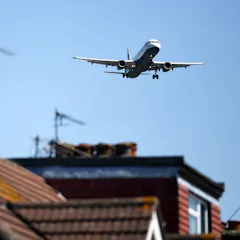
Turning from the conflict of airport expansions to a vision of a low-carbon transport system.
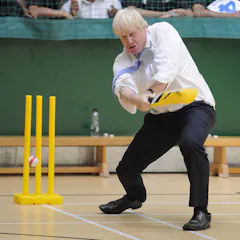
Brexit should not be Johnson’s sole focus if he wants to re-engage the disaffected voters he’ll need to bring on side in a general election.
Top contributors
-

Professor of Sustainability, Curtin University
-
Transport and Cities Program Director, Grattan Institute
-
Honorary Principal Fellow, University of Wollongong
-
Professor of Transport Technology and Sustainability, Swinburne University of Technology
-
Associate Professor and Principal Fellow in Urban Risk and Resilience, The University of Melbourne
-
Researcher in Transport Policy and Governance, UCL
-
Honorary Professor of Transport Studies
-
Chris Rissel is a Friend of The Conversation.
Senior Research Fellow, College of Medicine and Public Health, Flinders University
-
Professor of Operations Management, Manchester Metropolitan University
-
Visiting Research Fellow, Intelligent Mobility, Manchester Metropolitan University
-
Associate Professor in Urban Planning, The University of Queensland
-
Adjunct Professor, School of Engineering and Built Environment, Griffith University
-
Professor and Director, Institute of Transport and Logistics Studies, University of Sydney
-
Professor of Transport Governance, University of Leeds
-
Research Fellow, GAMUT, The University of Melbourne