
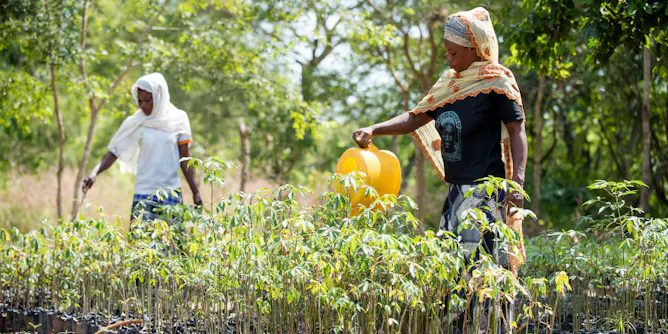
Ghana’s community conservation areas protect forests and wildlife while supporting rural livelihoods, but weak laws and funding threaten their future.
Articles on Traditional medicine
Displaying 1 - 20 of 36 articles
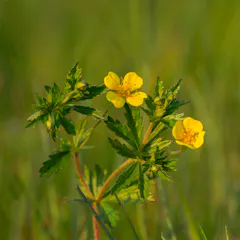
The root of tormentil was used in Irish folklore and European traditional medicine to treat wounds, sore throats, diarrhoea and gum disease.
Without systematic documentation, traditional plants’ uses could be lost or excluded from mainstream medical discourse.
A study of extracts of a plant in South Africa traditionally used for staying alert showed similar effects in mice.
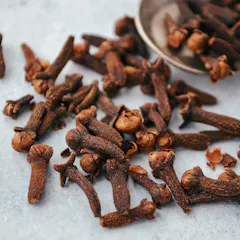
Cloves: antibacterial, anti-inflammatory and possibly pain-relieving. Here’s what centuries of tradition – and modern science – say about them.
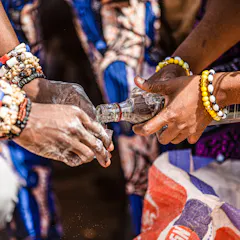
The victims in more than half of all the ritual murders reported in Ghana and Kenya were children.

Where families struggle to cultivate crops on shrinking plots, the baobab is increasingly seen as a competitor vying for space and nutrients.
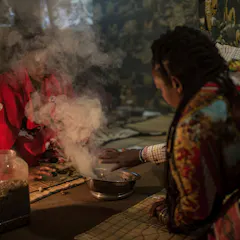
Korekore people in the Rushinga district have not wavered in their beliefs about and ways of healing mental illnesses.
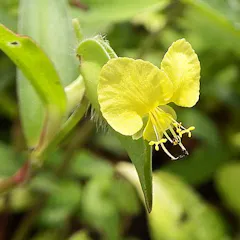
The use of medicinal plants in childhood diseases remains largely undocumented. A study in North West province in South Africa catalogued many of these for the first time.

Beyond ordinary consumption, new research finds uses for kola nut in areas like agriculture and health.

More people are seeking out traditional forms of medicine, from acupuncture to herbal medicines. The WHO is working to develop standards to make these healing practices implementable on a wide scale.
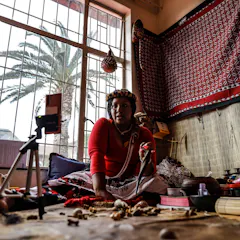
Using centuries of indigenous knowledge along with modern healthcare could benefit more people.
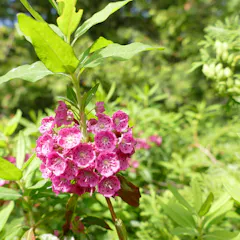
Boreal plants produce molecules that are valued by traditional medicines and inspire the development of medicinal products by contemporary chemists.

About 8,000 lions are being held in facilities across South Africa. In some cases, a legal operation is plugged into an illicit trade network.
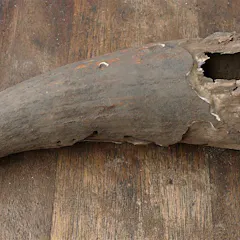
The medicine container was found in a painted rock shelter. A radio carbon date of the horn container places it at around AD 1461-1630.

The demand for donkey hides to produce ejiao has led to a shortage of donkeys in China and increasingly worldwide.
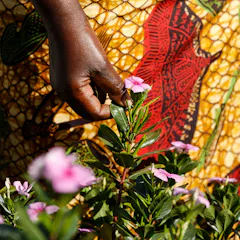
Thousands of plant species are used in African traditional medicine. Extracts from some of these plants are part of important pharmaceutical drugs.
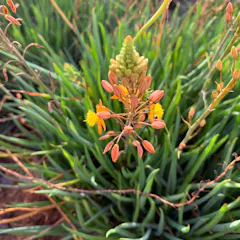
Medicinal plants and the associated indigenous knowledge could offer alternatives for women who lack access to modern contraceptives.
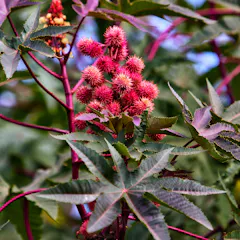
Traditional herbal medicines and cosmetics remain popular in South Africa especially in rural areas where they are part of people’s culture.

Relying on donor funding means that the funder ultimately determines the health priorities. This is one reason why many programmes in Africa focus on a single disease such as HIV.
Top contributors
-

Professor, North-West University
-
Dr, Lecturer and researcher, University of Mpumalanga
-
Ass. Professor, University of Maryland Eastern Shore; North-West University
-
Associate Professor in Botany, University of Mpumalanga
-
Research Fellow in Conservation and Sustainability, University of Kent
-
Post-Doctoral Fellow under Afrique One-ASPIRE, Nangui Abrogoua University
-
Adjunct Professor, RMIT University
-
Visiting Professor of Social Work, University of Johannesburg
-
Professor, Stellenbosch University
-
Professeur en chimie des produits naturels, Université du Québec à Chicoutimi (UQAC)
-
Associate Professor, China Studies Centre, University of Sydney
-
Executive Director, African Population and Health Research Center
-
Professor of Soil Science, North-West University
-
Professeur de Chimie, Université du Québec à Chicoutimi (UQAC)
-
Senior Lecturer, North-West University