

Chimpanzees are capable of responding to wounds in inventive and sometimes cooperative ways.
Articles on Medicinal plants
Displaying 1 - 20 of 25 articles
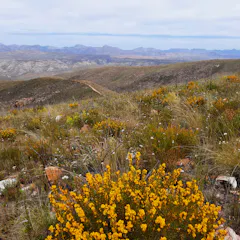
South Africa’s historical honeybush herbal tea farmers were dispossessed of their land during colonialism and apartheid. Steps must be taken to right this wrong.
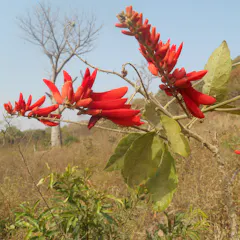
A new publication sheds light on the plants of Burkina Faso and Mali.

This is the oldest confirmed use of a mixture comprising two or more plant toxins specifically applied to arrowheads.

Roman medicines derived from black henbane treated everything from earache to womb pain.

Students are invited to imagine how the social, political and legal landscape for cannabis will look in the future.
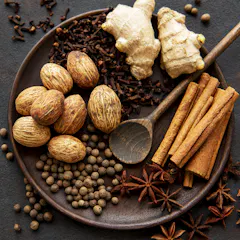
Spices have been prized commodities for centuries. Today, ‘warm’ flavors boost our health and spirits in fall and winter.
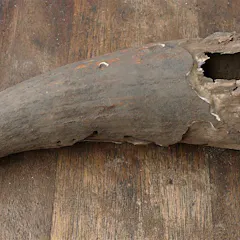
The medicine container was found in a painted rock shelter. A radio carbon date of the horn container places it at around AD 1461-1630.
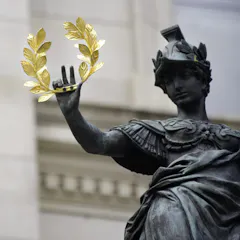
Just in time for this year’s Nobel Prize announcements, here’s how the symbolism of a plant associated with the god Apollo lives on in modern-day laureates.

In the mid-1800s, France was at the epicenter of the international movement to medicalize hashish, a potent form of cannabis. Now the country’s medical marijuana research is making a comeback.
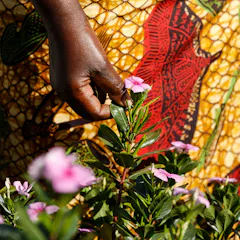
Thousands of plant species are used in African traditional medicine. Extracts from some of these plants are part of important pharmaceutical drugs.
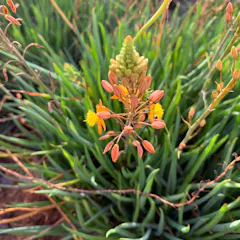
Medicinal plants and the associated indigenous knowledge could offer alternatives for women who lack access to modern contraceptives.
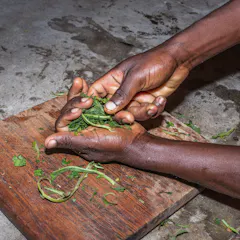
It is important that herbal medicine be checked for its safety, its potential to treat particular ailments, and to ascertain its chemical components.
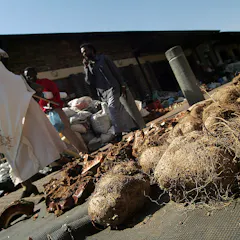
Traditional herbal medicines and cosmetics remain popular in South Africa especially in rural areas where they are part of people’s culture.

There’s ample evidence that colonial imprints and mindsets in many cities and towns around the world today still dominate the availability of green spaces and how they’re managed.
Currently there is no specific antiviral drug to treat COVID-19 and no vaccine to prevent it. Most treatment strategies focus on symptomatic management and supportive therapy.
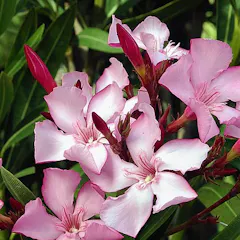
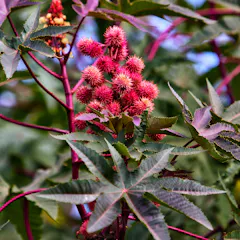
Consuming the plant can be lethal to animals and humans.
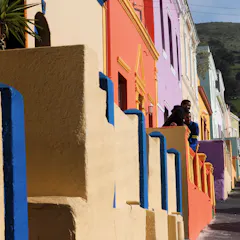
In reacting to the pandemic, architecture can reclaim its impact by conceding its loss of connection with public health, looking beyond Western thinking for its references.
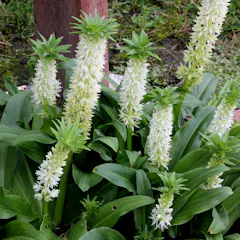
Tissue engineering and regenerative medicine is based on three key requirements working together: signals from body tissues and organs, responding stem cells, and scaffolds.
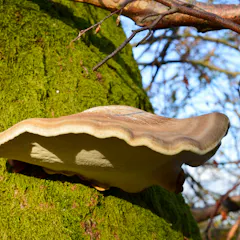
The fungus birch polypore has a remarkable list of medicinal uses.
Top contributors
-

Professor, North-West University
-
Associate professor, University of Johannesburg
-
Researcher in Chemical Biology, Biochemistry, and Medicinal Chemistry, Kenya Medical Research Institute
-
Post-Doctoral Fellow under Afrique One-ASPIRE, Nangui Abrogoua University
-
Postdoctoral Research Fellow at Biomedical Science Department, Tshwane University of Technology
-
DSI/NRF Postdoc Research Fellow, North-West University
-
Ph.D. Candidate in Genetics and Genomics, Texas A&M University
-
Associate Professor of Environmental Anthropology, Rhodes University
-
Dr, Lecturer and researcher, University of Mpumalanga
-
Professor of Tissue Engineering, Tshwane University of Technology
-
Professor & Research Chair in Interdisciplinary Science in Land and Natural Resource Use for Sustainable Livelihoods, Rhodes University
-
Associate Professor of Dermatology and Human Health; Herbarium Curator, Emory University
-
Associate professor of Architecture, University of the Witwatersrand
-
Associate Professor in Botany, University of Mpumalanga
-
Professor of Global Health Law, Cardiff University