
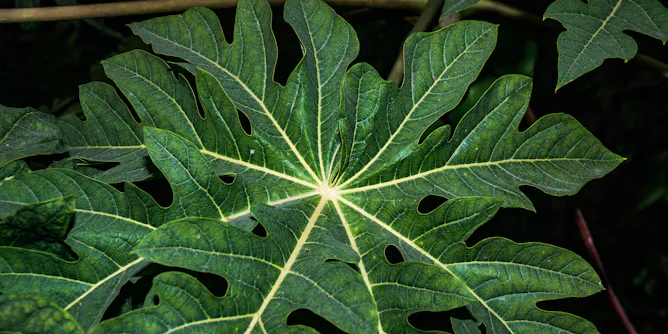
Without systematic documentation, traditional plants’ uses could be lost or excluded from mainstream medical discourse.
Articles on African traditional medicine
Displaying all articles
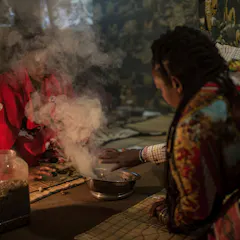
Korekore people in the Rushinga district have not wavered in their beliefs about and ways of healing mental illnesses.
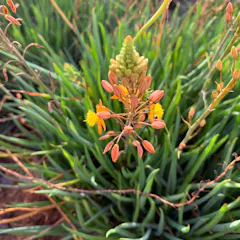
Medicinal plants and the associated indigenous knowledge could offer alternatives for women who lack access to modern contraceptives.
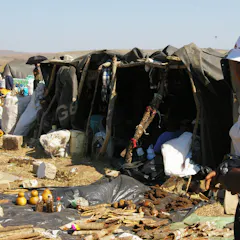
Most healers still practice in their houses where there is little privacy. Others use more private backrooms. But these spaces were not designed for the practice of traditional medicine.
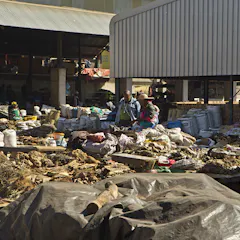
Communities who are the custodians of the knowledge associated with African traditional medicinal plants must derive a fair economic return from these natural resources.
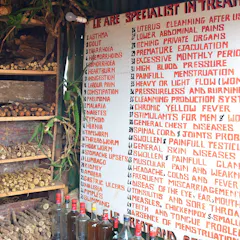
In the last two decades, neglect of traditional medicine has been replaced by renewed focus and a raft of policies and new laws.
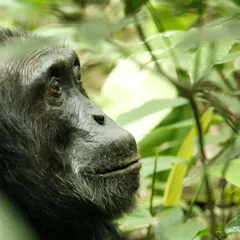
The medicinal plants that chimpanzees feed on in the wild could hold the key in dealing with common diseases.
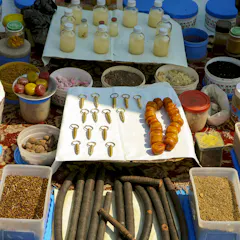
Numerous traditional African medicines are undeniably beneficial in treating disease or maintaining good health.
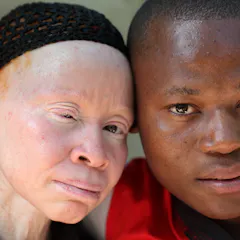
People with albinism tend to identify with the black rather than the white community. Their physical differences, though, mean they don’t fit into either race group.
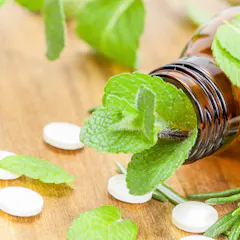
There’s a need for new anti-malarial agents due to some malaria drugs becoming ineffective in the fight against the disease.
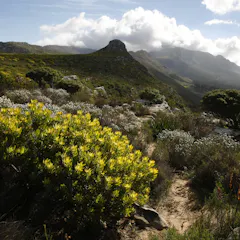
African traditional medicine is widely relied on in South Africa but better understanding of its effects are needed for it to be accepted..
Top contributors
-

Professor, North-West University
-
Medical Parasitologist, Research Officer,, Kenya Medical Research Institute
-
Senior Lecturer, North-West University
-
Professor of Global Health Law, Cardiff University
-
Associate Professor: Medicinal plant biotechnology, Stellenbosch University
-
Post-Doctoral Fellow under Afrique One-ASPIRE, Nangui Abrogoua University
-
Researcher in Chemical Biology, Biochemistry, and Medicinal Chemistry, Kenya Medical Research Institute
-
Lecturer/researcher, University of Pretoria
-
DSI/NRF Postdoc Research Fellow, North-West University
-
Professor, University of Pretoria
-
PhD candidate, University of Pretoria
-
Project Manager, Institute of Traditional Knowledge and Traditional Medicine, Vaal University of Technology
-
Professor of Soil Science, North-West University
-
Associate Professor, Institute of Traditional Knowledge and Traditional Medicine, Vaal University of Technology
-
Lecturer, University of Mpumalanga