
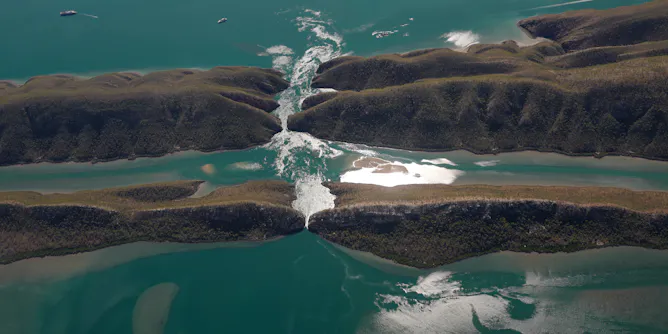
For coastal communities, understanding how tides are changing is increasingly important.
Articles on Tides
Displaying 1 - 20 of 25 articles

A new study has found that layers in the rock record days, not years, representing storms.
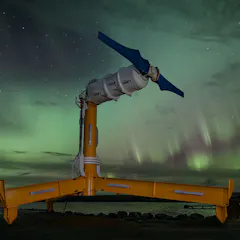
New research highlights hotspots where the tides are strong and the water is shallow.
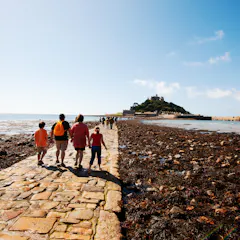
Four in ten people surveyed were unaware that tides come in twice daily, that they vary in timing each day, and that they differ in height across the country.
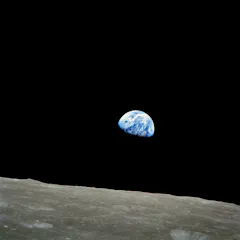
The Moon influences ocean tides – and ocean tides, in some ways, influence the Moon back.
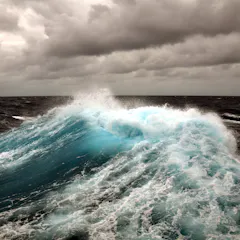
Warmer water holds less oxygen, while warmer fish need more oxygen.
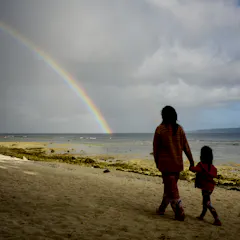
We reviewed evidence on traditional knowledge in the Pacific for coping with climate change, and found much of it was scientifically plausible.
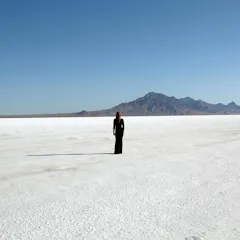
Sarah Nance uses geologic data and a variety of artistic media to help people think about their place in the landscapes they use and occupy.

Local communities need to be warned more clearly and effectively if there is a threat of a storm surge and of coastal flooding.
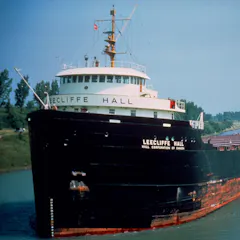
The St. Lawrence is one of the most difficult rivers in the world to navigate. It has been the site of collisions, groundings and shipwrecks. Several thousand wrecks lie beneath its surface.
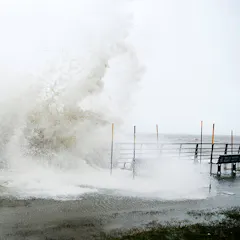
Popular belief suggests the highest tides in the St. Lawrence River are reached around the equinoxes. In truth, they arrive close to the solstices.
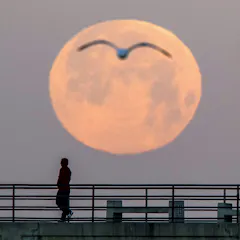
Sea level is still rising, and when that lunar cycle starts upward again, it will mean double trouble for places like Miami.
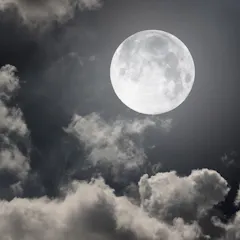
Though it’s fairly straightforward to locate the Earth’s moon in space today, there is a fundamental gap in our understanding of how it got there.
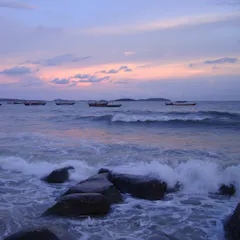
The Moon has gravity of its own, which pulls the oceans (and us) towards it.
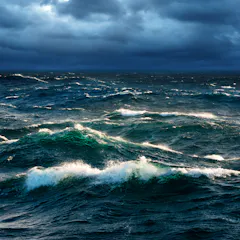
Tides are the largest they have been for 250m years.
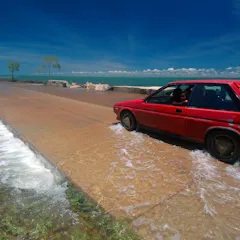
King tides and rising seas are an increasing and predictable threat, but adaptation plans to limit the damage to coastal property are still not managing the political obstacles.

Climate change is raising global sea levels. Now research shows that ‘hot spots’ where seas rise another 4 to 5 inches in five years can occur along the Atlantic and Gulf coasts, further magnifying floods.
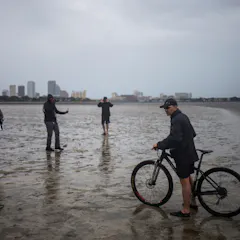
Pictures of ocean bays emptied of water as Hurricane Irma moved through the Caribbean and Florida show that storm surges can move away from the coast, as well as onto it.
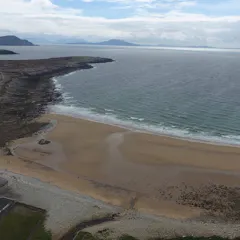
A entire beach in Ireland has returned 33 years after being washed away.
We know the tides affect the oceans, but it also affects groundwater. If we can understand how, then we can better protect this precious resource.
Top contributors
-

Professor in Physical Oceanography, Bangor University
-
Senior Principal Research Scientist, Environment, CSIRO
-
Senior Lecturer/Scientist, University of Neuchâtel
-
Emeritus Professor in Groundwater Resources, UNSW
-
Reader in Cultural Geography, University of Gloucestershire
-
Professor of Civil and Coastal Engineering, University of Florida
-
Head of Marine Physics and Ocean Climate, National Oceanography Centre
-
Research Manager, Griffith Centre for Coastal Management, Griffith University
-
Professor of law and ocean sciences, University of Southampton
-
Professor in sea level and flooding, University of Southampton
-
Professor of Earth's Water, Cardiff University
-
Senior research scientist, CSIRO
-
Senior Lecturer in Ocean and Earth Science, University of Southampton
-
Lead - Pilot Deployments Program (AIMS); Professor (Queensland University of Technology; Adjunct), Queensland University of Technology
-
Professor of Geoscience, University of Wisconsin-Madison