
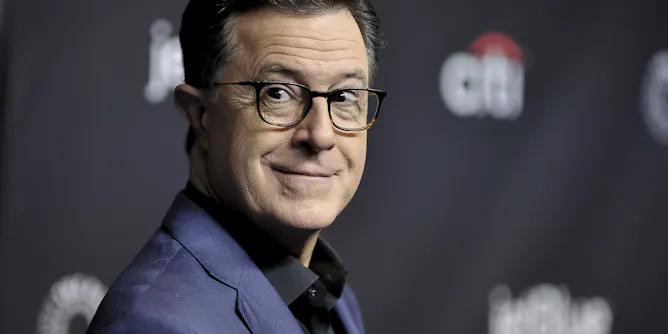
The folktale, ‘The Bird Indifferent to Pain,’ offers insight into why audiences are drawn to the relentless jester – a comedic trope that has endured across cultures.
Articles on Television
Displaying 61 - 80 of 728 articles
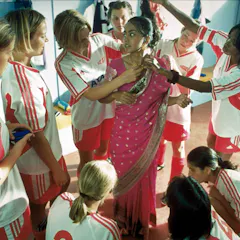
As a producer, I often meet with resistance when it comes to putting female athletes, pundits and presenters front and centre.
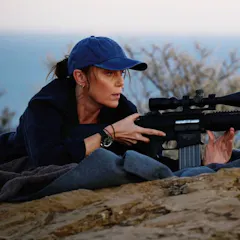
Keeley Hawes’s character becomes lethal not in spite of midlife – but because of it.
The groundbreaking use of generative AI in final film footage begs questions of the audience that are rooted in deep human psychology.
In both cases a small penis is the cause of men’s abusive behaviour.
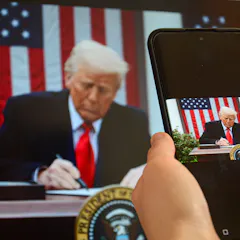
Some US presidents have been defined by their adept use of the media. Donald Trump’s weapon of choice is his TruthSocial platform.
The show reveals the dark psychology of how money problems affect every decision we make.
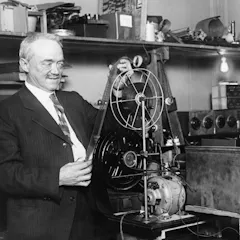
Charles Francis Jenkins and John Logie Baird both wowed public audiences with their new image-transmitting devices in 1925.
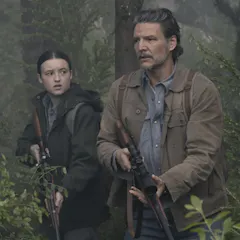
What works over a weekend of play may falter over week-by-week seasons of television, experienced years apart.
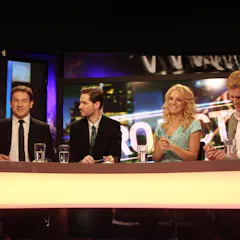
The closure of each program means the loss of another media town square, where the capacity to listen civilly to, and learn from, one another also disappears.
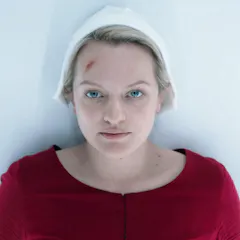
Hulu’s adaptation misrepresents the themes of Atwood’s biting feminist dystopia.

Cartoon Network helped revive television animation in the 1990s, giving emerging animators a platform to share their work.
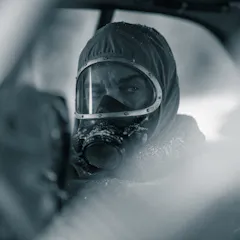
The science-fiction show, which is currently topping the non-English charts in 24 countries, has come to symbolise the Argentine struggle for resistance.
Today, a new generation of artists and online creators are less likely to see their markets or identities confined by national boundaries.
Episode eight, Who Are You?, is a poignant portrayal of propaganda, collective resistance and military force.
Historical writers of colour and writers from other marginalised communities are continually excluded from school curricula, literary anthologies and TV adaptations.
The precursors of today’s public media programs consisted of professors giving lectures about history and finance.
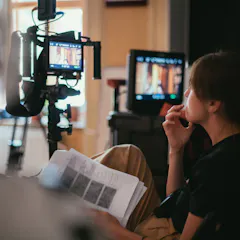
Almost half of respondents experienced bullying in the past year, while 35% encountered sexual harassment or discrimination.
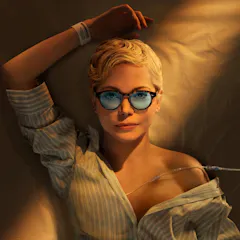
Longing to be seen beyond the lens of her cancer diagnosis, Molly attempts to unlock her true sexual self.
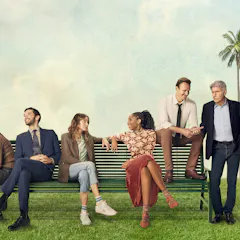
Not too long ago, therapists created a wall between themselves and their patients. Have we gone too far in the other direction?
Top contributors
-

Associate Professor of Screen Media, Victoria University
-
Professor of Media Studies, Queensland University of Technology
-
Associate Professor in Media, University of Technology Sydney
-
Associate Professor and Cinema and Screen Studies Discipline Leader, Swinburne University of Technology
-
Professor of Television & Media Studies, University of Leeds
-
Professor & Dean, School of Media and Communication, RMIT University
-
Lecturer, Digital Communication, RMIT University
-
Former Honorary Research Associate, School of Media and Communication, RMIT University
-
Senior Lecturer, School of Media, Film and Journalism, Monash University
-
Professor in Digital Media and Cutural Studies, Queensland University of Technology
-
Senior Lecturer in English Literature, Charles Sturt University
-
Professor of Sociology, University of Texas at Arlington
-
Associate Professor, Film Screen & Animation, Queensland University of Technology
-
Lecturer in Journalism, University of Technology Sydney
-
Senior Lecturer in Sport Management, Deakin University