

Olympics have often provided the impetus for large-scale broadcasting innovations, such as when TV was introduced in Australia to broadcast the 1956 Games.
Articles on Television
Displaying 381 - 400 of 728 articles

Companies are now tracking how consumers react on social media to Super Bowl ads. They’re also studying how the brain responds to them. Could personalized Super Bowl ads be on the horizon?

One of Sweden’s foremost actor/producers, Helin also plays a leading role in the movement against harassment and discrimination. In this interview, she explains what needs to change.

In 1983, a made-for-TV film about the consequences of nuclear war was watched by 100 million people – and became a cultural lightning rod.

The debate around photos of two Nigerian Salafi clerics taken in London wasn’t a trivial conversation about dress and recreational choices. It was loaded with symbolism.

In the coming year, media companies will be adjusting to a new reality – one that ultimately leaves consumers with fewer choices.

Disney’s veneer of innocence shouldn’t distract people from recognizing the danger of giving one conglomerate the power to control so much information.
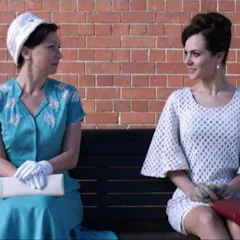
A recent study found only two transgender characters appeared in TV dramas from 2011-2015. When will our television screens reflect a more diverse world?

New research reveals that about half of opinion pieces in mainstream newspapers and television are so racist they potentially breach industry codes of conduct.

Should you be worried that tech giants are making huge investments in cultural content?

Movies often portray the city as a dystopia, particularly in the ‘neo-noir’ genre, which explores postmodern themes. TV shows and ads present an altogether sunnier picture of life in the city.

The CBC has unveiled its revamped flagship news show, “The National,” with a brand new four-anchor format. The role of the news anchor has changed dramatically over the last 20 years.

Information and communication technologies (ICT) offer new opportunities for improving basic education in Africa.

The Bachelorette might appear to be a progressive alternative to The Bachelor, but it is actually doing nothing for women when male bonds are central to its drama.

Women change working cultures – and as the Harvey Weinstein allegations show, Hollywood is badly in need of it.

Astronauts traveling to Mars and beyond would face serious psychological challenges. A well-designed media program – based on an old-fashioned schedule – might help make life at least a bit easier.
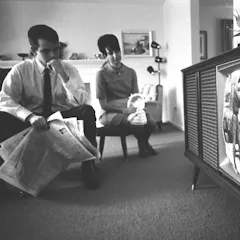
After footage from America’s first ‘living room war’ shocked the public, the government would clamp down on media coverage of future military conflicts.

Those calling it slavery fan fiction are ignoring the long, nuanced tradition of articles and films that wonder what would have happened if the South had won.

Australian TV has been slow to enter the sci-fi genre, but the success of series like Cleverman shows we could have our own distinct brand of local sci-fi.

A spate of recent TV shows feature protagonists whose mental health condition gives them special skills. But these are often accessed by rejecting medication.
Top contributors
-

Associate Professor of Screen Media, Victoria University
-
Professor of Media Studies, Queensland University of Technology
-
Associate Professor in Media, University of Technology Sydney
-
Associate Professor and Cinema and Screen Studies Discipline Leader, Swinburne University of Technology
-
Professor of Television & Media Studies, University of Leeds
-
Professor & Dean, School of Media and Communication, RMIT University
-
Lecturer, Digital Communication, RMIT University
-
Former Honorary Research Associate, School of Media and Communication, RMIT University
-
Senior Lecturer, School of Media, Film and Journalism, Monash University
-
Professor in Digital Media and Cutural Studies, Queensland University of Technology
-
Senior Lecturer in English Literature, Charles Sturt University
-
Professor of Sociology, University of Texas at Arlington
-
Associate Professor, Film Screen & Animation, Queensland University of Technology
-
Lecturer in Journalism, University of Technology Sydney
-
Senior Lecturer in Sport Management, Deakin University