
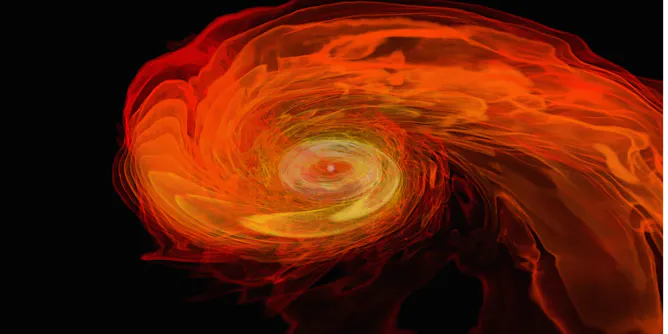
A LIGO team member describes how the detection of a gravitational wave from a new source – merging neutron stars – vaults astronomy into a new era of ‘multi-messenger’ observations.
Articles on Telescope
Displaying 81 - 100 of 112 articles
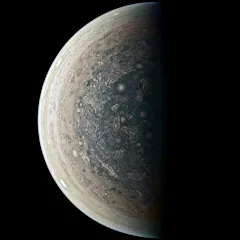
We may need to re-think our models of Jupiter’s formation thanks to the first results from Juno probe orbiting the planet, and new observations from Earth.
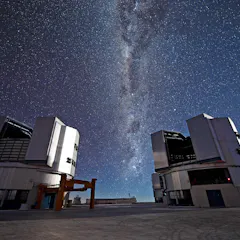
Australia’s new partnership with the European Southern Observatory will give our astronomers access to much bigger telescopes.
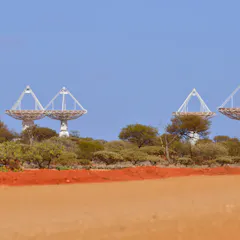
It’s almost impossible for any human to spot something unknown or unusual in the massive amount of data collected by our telescopes. So we’re teaching an intelligent machine to search the data for us.
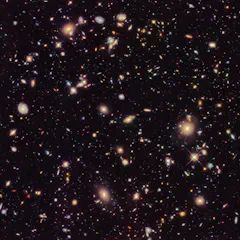
A new telescope aims to figure out what became of the universe’s original atoms once the first stars began to shine.
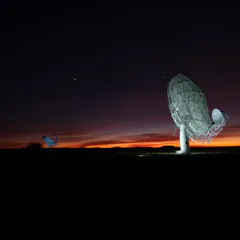
What’s particularly exciting about “first light” images from South Africa’s MeerKAT radio telescope is that they prove Africa is a rising star in the world of astronomy.
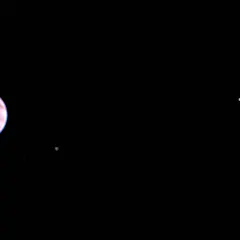
Many images of planets have been manipulated. So have we seen their true colours? Not always, it turns out. But Jupiter’s red spot really is red.
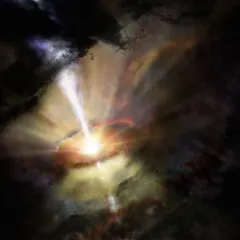
Astronomers have detected clumpy gas clouds on the verge of being swallowed by a supermassive black hole, rushing towards it at over 537,000 miles an hour.
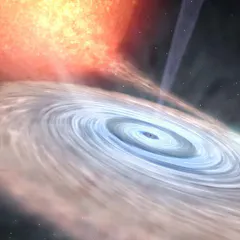
It was a rare and brief event, but powerful telescopes helped scientists get a glimpse of a black hole letting out a wind at 3,000km per second.

Stargazing seems such a quiet, calm activity. But whether our eyes can see or not, those stars out there are in constant flux. Time-domain astronomy studies how cosmic objects change with time.
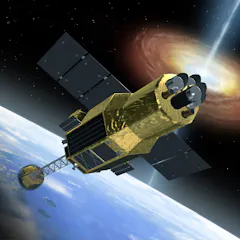
The universe looks very different with X-ray vision, revealing some of the most energetic interactions in our galaxy. Japan’s new Hitomi telescope will help us see these wonders.
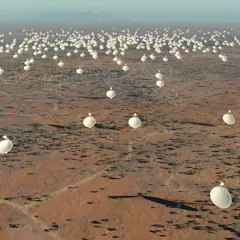
Dark energy is a completely unknown source making up 70% of the universe. Will any of the new projects designed to find out what it is succeed?
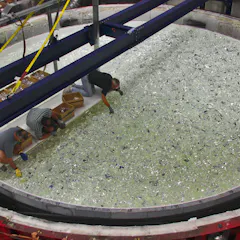
The laws of physics dictate that to pick out ever fainter objects from space and see them more sharply, we’re going to need a bigger telescope. And that means we need massive mirrors.
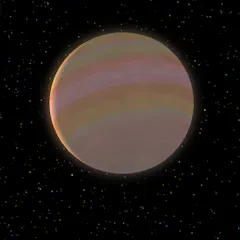
Jupiter had a big influence on how our solar system’s planets formed. New research – led by a high school student – tried to nail down how rare Jupiter analogs really are in other planetary systems.
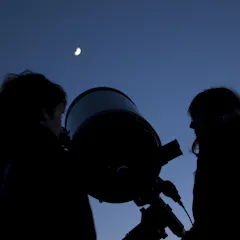
Stargazing in your back yard or on a camping trip can amaze and inspire. If you’re thinking of buying a telescope, here are a few key things you should look out for.
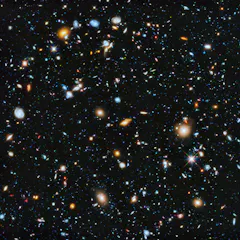
Telescopes are getting larger and larger as astronomers are hoping to get a good view of the most distant objects in space. But, it turns out, bigger isn’t always better.
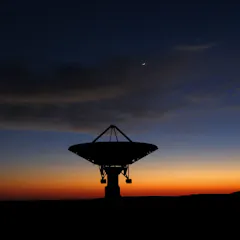
Citizen science will ensure that the skies have no limit when it comes to research, as ordinary people are encouraged to take part in simple acts of exploration.
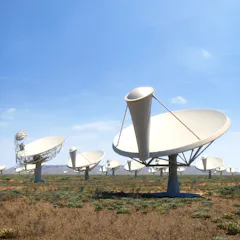
The Square Kilometre Array is the world’s largest telescope – what will it do and how does it work?
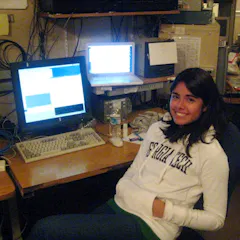
Astronomers aren’t mere stargazers these days. One researcher explains the ins and outs of how they collect data from far-off galaxies and what they do with it back at the office.
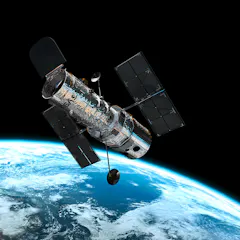
Ground-based telescopes are getting bigger and better while still being cheaper than space telescopes. But the vital scientific contributions made by Hubble demonstrates why we need both.
Top contributors
-

Associate Professor in Astronomy, Monash University
-
University Distinguished Professor of Astronomy, University of Arizona
-
Professor of Astrophysics and Royal Society University Research Fellow, University of Hertfordshire
-
Professor in High Energy Astrophyics, Adelaide University
-
Associate Professor, Japan Aerospace Exploration Agency (JAXA)
-
Assistant Professor of Astronomy and Astrophysics, University of Maryland, Baltimore County
-
Senior Astrophysicist, Smithsonian Institution
-
Senior Curator (Astronomy), Museums Victoria Research Institute; The University of Melbourne
-
SKA Postdoc in Observational Cosmology, University of the Western Cape
-
Dean of Science, University of California, Santa Cruz
-
Professor of Astronomy, UMass Lowell
-
Director of the Abrams Planetarium, Michigan State University
-
Co-Director Space Technology and Industry Institute, Swinburne University of Technology
-
Associate Dean for Research and Professor of Astronomy and Planetary Sciences, University of Arizona
-
Assistant Professor of Chemistry, Dickinson College