
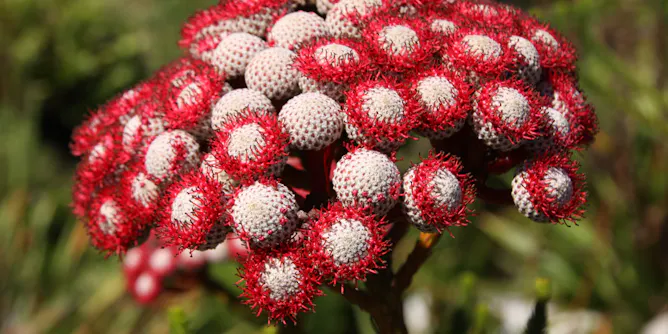
There is good news for plant conservation in South Africa and internationally.
Articles on Taxonomy
Displaying 61 - 80 of 90 articles
Scientists have been naming species after well-known people since the 18th century, often in a bid for publicity. But the issue deserves attention – 400,000 Australian species are yet to be described.
Australian taxonomy resources number around 70 million specimens, valued at over AU$5 billion. That’s big science.
Australia’s herbaria are a priceless repository, holding around 8 million samples that map historical and current distributions of native and introduced plant species in Australia.
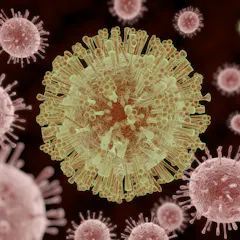
The latest research dismisses the idea that viruses form a fourth type of life.
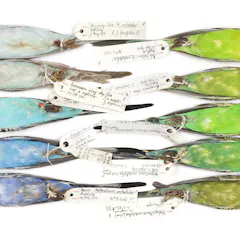
The way humans see and engage with the natural world is anything but natural.

Four organisms that show nature isn’t so easily categorised.
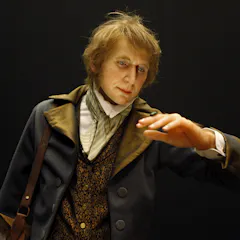
Humans have an innate interest and ability in naming biologically meaningful entities, or species. Taxonomy, then, vies for the title of world’s “oldest profession”.
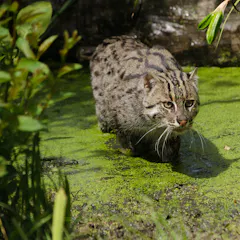
Many scientific names have changed since China’s ‘protected species list’ was last updated in 1989.
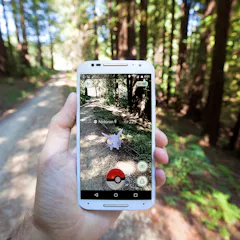
You might worry that people care more about what’s on their smartphone than what’s in their local wildlife park. But what if we could get them to care about both at the same time?

Despite science refuting the existence of different human races, people have used “race” throughout history to divide and denigrate certain people while promoting their claims of superiority.

Forget the pith helmet and butterfly net. Discovering biodiversity now is much more about metagenomics and the 0’s and 1’s of digital databases.
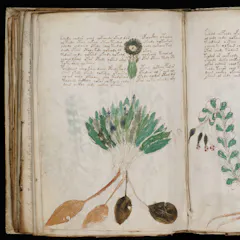
Plants mentioned in ancient Chinese books helped inspire the latest Nobel Prize for Medicine winner, but testing old remedies isn’t as simple as following the recipe.

The dead animal specimens that comprise natural history collections contribute a lot toward scientific understanding of their still-living counterparts – and those that have gone extinct.
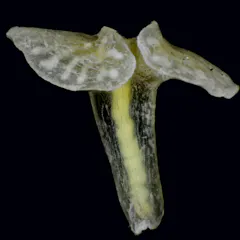
The top 10 new species for 2015 include a crop-circling fish, a murderous wasp, and an animal that’s got scientists confounded.

New technology to tackle biosecurity challenges down the track is one of the five megatrends identified in today’s CSIRO report Australia’s Biosecurity Future: preparing for future biological challenges…
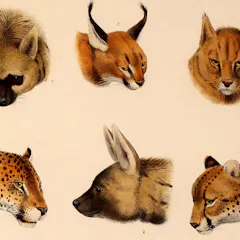
A cat is, of course, a cat. Lions are cats too, as are leopards, lynxes and so on – the “Felidae” family contains 41 species in total. But what about other closely related species such as hyenas or mongooses…
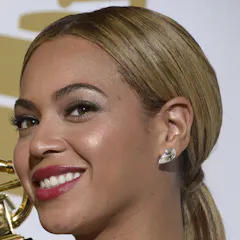
What do Beyonce, Hitler, David Attenborough, Darth Vader and GoldenPalace.com all have in common? They all have species named after them. In the case of Beyonce it is an Australian horse fly whose striking…
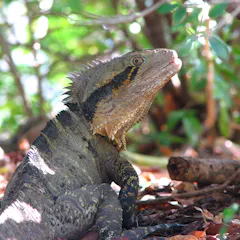
You have likely been to a zoo at some point and visited their reptile house. A building where the climate control dial is stuck on the “wet sauna” setting, and filled with maniacal children competing to…
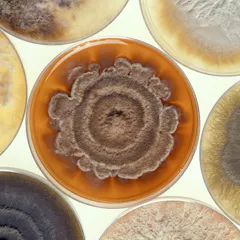
Despite their small size, organisms smaller than thousandth of a metre (1 mm) contribute greatly to biodiversity and ecosystem function. Unfortunately, categorising small organisms, even defining those…
Top contributors
-

Curator of Mammals, Western Australian Museum; Curtin University
-
Associate Professor in Ecology and Environmental Science, Queensland University of Technology
-
Adjunct Assoc. Professor, The University of Western Australia
-
Research associate, Western Australian Museum
-
Senior Curator, Terrestrial Vertebrates, Museums Victoria Research Institute
-
Senior lecturer, School of Biological Sciences, University of Bristol, University of Bristol
-
Associate Professor in Ancient DNA, University of Otago
-
Professor of Conservation and Sustainable Livelihoods, Charles Darwin University
-
Director, Environment Institute, Adelaide University
-
Curator Invertebrates, Museum of New Zealand Te Papa Tongarewa
-
Ecologist, School of Biological Sciences, Adelaide University
-
Curator of Herpetology, Associate Professor of Vertebrate Zoology, University of Copenhagen
-
Team Leader, Species Interactions, Atlas of Living Australia, UNSW
-
Emeritus Professor, University of Cape Town
-
Associate Professor, Earth and Planetary Sciences, Curtin University