
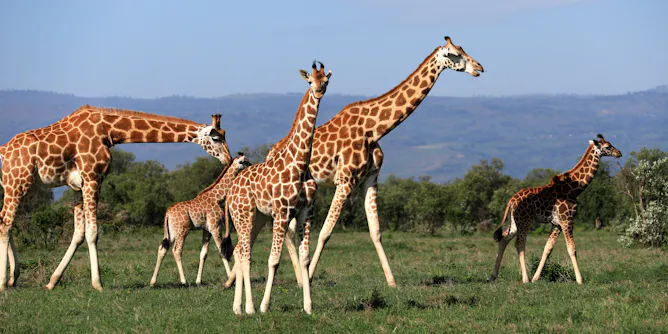
Giraffes show remarkable genetic differences between populations.
Articles on Taxonomy
Displaying 21 - 40 of 90 articles

Canada needs a taxonomy that’s more sophisticated and updated — one that can better describe the different types of jobs and workers that make up Canada’s modern labour market.
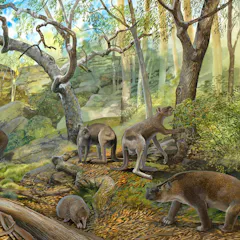
Some extinct kangaroos may barely have hopped at all.
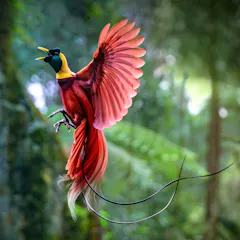
The extinction of the dinosaurs sparked an explosion of bird species, according to the largest-ever study of bird genetics.

Green anacondas are the world’s heaviest snakes, and among the longest. it’s remarkable this hidden species has slipped under the radar until now.

Stephen Garnett takes us inside a scientific spat about how to govern the naming of new species. Listen to The Conversation Weekly podcast.

North American ornithologists are seeking to replace all bird species named after people - but what should they be called instead?
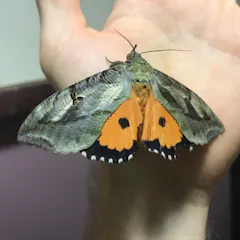
An ecologist, a mathematician and a taxonomist were locked down together in a suburban house. So they counted all the species of plants and animals they could find.

New England has thousands of miles of stone walls. A geoscientist explains why analyzing them scientifically is a solid step toward preserving them
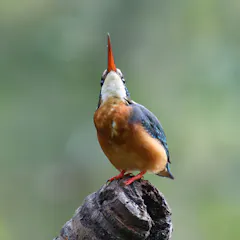
Only after a species is identified and listed by taxonomists can it be protected. Yet we still don’t have one globally agreed-upon list of every species. A new 74-nation survey points to the solution.
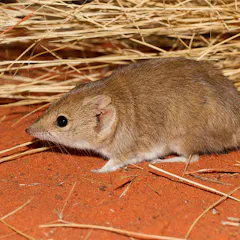
We found three previously unknown species of mulgaras hiding in museum collections – but all three have been driven to extinction since European colonisation of Australia.
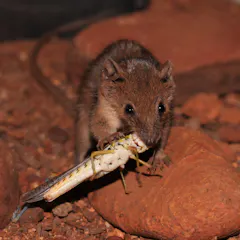
The tiny, mouse-like planigales are some of the smallest marsupials around – and there are two more species of them than anybody realised.

A new gecko species in New Zealand was named te mokomoko a Tohu in consultation with a local Māori tribe. This could be a good example for how taxonomists might approach the naming of new species.
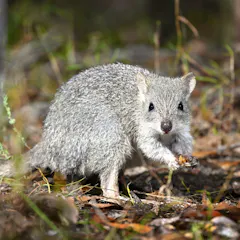
A new list of 404 Australian mammal species is a crucial conservation step in the face of the ongoing extinction crisis.

Viruses do more than just cause disease – they also influence ecosystems and the processes that shape the planet. Tracing their evolution could help researchers better understand how viruses work.

Roughly 90% of species on Earth are believed to be undiscovered. Whether researchers will be able to identify them before they go extinct is unclear.
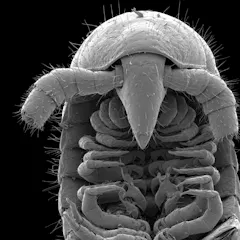
Millipede means ‘1,000 feet’, but until now the name was a bit of an exaggeration.
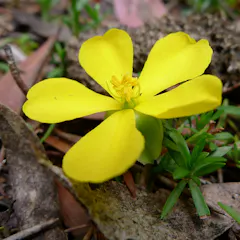
One of Australia’s largest groups of flower species is named after a wealthy British slave-trader. And Nazi memorabilia collectors have almost sent “Hitler’s beetle” extinct. It’s time for a change.
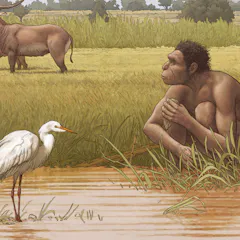
If scientific research is to take decolonization seriously, names for species should reflect this approach and consider the political, social and emotional implications.
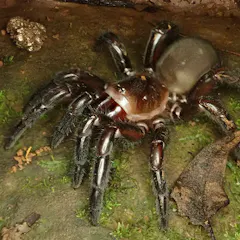
To many people, Australia’s spider diversity is a source of fear. To arachnologists, it’s a goldmine, with most Australian spider species still yet to be discovered.
Top contributors
-

Curator of Mammals, Western Australian Museum; Curtin University
-
Associate Professor in Ecology and Environmental Science, Queensland University of Technology
-
Adjunct Assoc. Professor, The University of Western Australia
-
Research associate, Western Australian Museum
-
Senior Curator, Terrestrial Vertebrates, Museums Victoria Research Institute
-
Senior lecturer, School of Biological Sciences, University of Bristol, University of Bristol
-
Associate Professor in Ancient DNA, University of Otago
-
Professor of Conservation and Sustainable Livelihoods, Charles Darwin University
-
Director, Environment Institute, Adelaide University
-
Curator Invertebrates, Museum of New Zealand Te Papa Tongarewa
-
Ecologist, School of Biological Sciences, Adelaide University
-
Curator of Herpetology, Associate Professor of Vertebrate Zoology, University of Copenhagen
-
Team Leader, Species Interactions, Atlas of Living Australia, UNSW
-
Emeritus Professor, University of Cape Town
-
Associate Professor, Earth and Planetary Sciences, Curtin University