
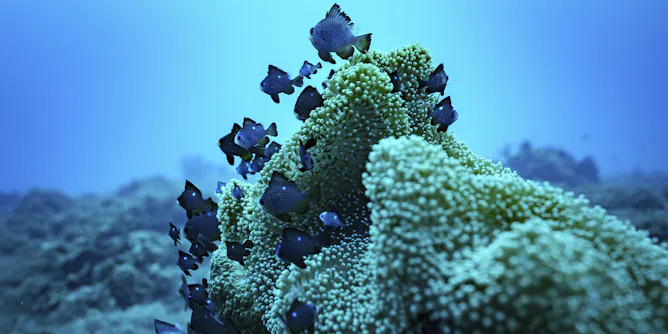
The High Seas Treaty requires a secretariat to co-ordinate between parties, service meetings, manage information and keep the machinery running.
Articles on Illegal fishing
Displaying 1 - 20 of 46 articles

For years, illegal fishing vessels operated near Australia’s Heard and McDonald Islands. Here’s what happened after they were stopped.
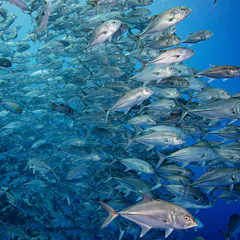
Satellite technology that can track ships even when they ‘go dark’ finds that those protected areas that fully ban industrial fishing are succeeding, even if others aren’t.
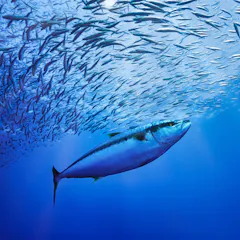
After 20 years of intense debate, the world looks set to have a treaty protecting marine life out beyond national waters.
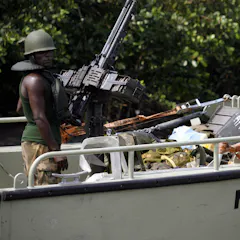
Instead of a winner takes all approach, Africa’s coastal countries should share contested resources.

Most of the seafood Australians consume comes from overseas. This includes products from illegal, unreported and unregulated fishing operations. We can fix this.
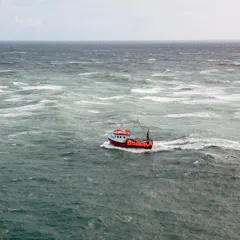
A new study reveals that 75% of the world’s industrial fishing vessels are hidden from public view.
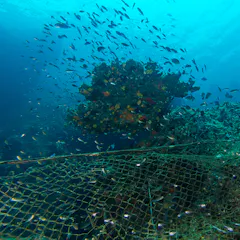
If ASEAN demands its member nations try to stop illegal and unregulated fishing, but without requiring matching financial commitments, we will continue to lose the battle against illegal fishing.
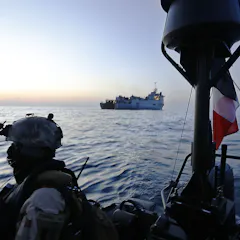
The current focus by extra-regional actors is an elite project that undermines a maritime security strategy that would benefit the African people.
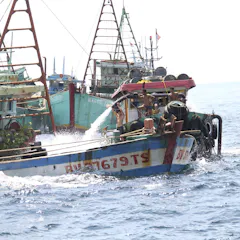
Understanding when, where and why fishing vessels sometimes turn off their transponders is a key step toward curbing illegal fishing and other crimes on the high seas.
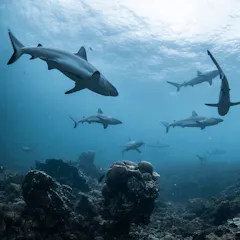
Fining and jailing Indonesian fishers taking shark fin is a knee-jerk solution. As long as sharks keep vanishing and demand for shark fin soup remains high, illegal fishing will continue.
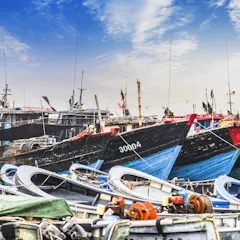
Every year, it’s estimated as many as 24,000 fishers die in fishing vessel accidents. That’s more than 10 times more lives claimed than on merchant ships, carrying cargo or passengers. Why?
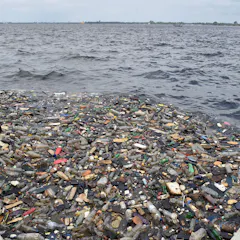
The oceans bordering West African countries are in grave danger from pollution; checking further degradation is crucial for human survival.

Traditional food provenance methods are typically designed to identify one species at a time. So we worked out a new approach, as part of a broader effort to combat seafood fraud and illegal fishing.
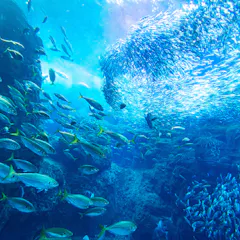
Humans have failed to take good care of the ocean — and the environment at large — because we undervalue its goods and services.
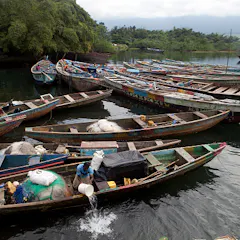
Efforts to combat illegal fishing and fisheries crime must recognise the relationship between the sector and maritime security.
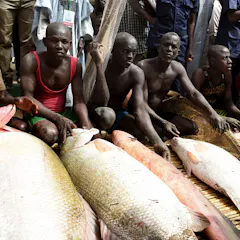
Nigeria must address illegal fishing, which depletes the country’s fish stocks, undermines livelihoods and pushes people into poverty.
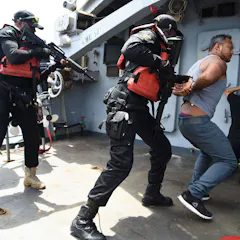
Sea piracy often grabs the headlines, but it is just one of many symptoms of insecurity at sea.
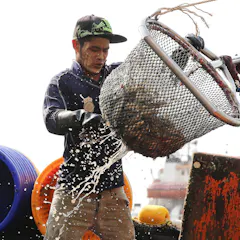
When illegal fishing is misrepresented, it leads to poor investments and misguided policies that don’t help the actual problem.
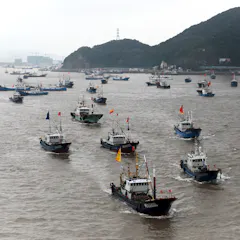
Chinese fishermen are illegally trawling South American waters, inflaming tensions with the US. But for centuries Washington used aggressive fishing to expand its overseas presence, too.
Top contributors
-

Lecturer in Sustainable Futures, University of St Andrews
-
Assistant Professor of Natural Resource Economics, University of Wisconsin-Madison
-
Lecturer, University of Wollongong
-
Postdoctoral researcher, Universitat Autònoma de Barcelona
-
Postdoctoral Scientist, Marine Ecology, Florida International University
-
PHD candidate, Université Paris 1 Panthéon-Sorbonne
-
Senior Lecturer, University of York
-
Professor of International Security at University of Bristol and Director of the Centre for Global Insecurity, University of Bristol
-
Professor, University of Wollongong
-
Research Fellow at the ARC Centre of Excellence for Coral Reef Studies, Victoria University
-
Professor of Environment and Development, University of Birmingham
-
Associate professor of Politics, Universidad Panamericana - IPADE Business School
-
Adjunct Senior Lecturer, University of Tasmania
-
Associate professor, University of Tasmania
-
Enseignant chercheur, Université de Rouen Normandie