
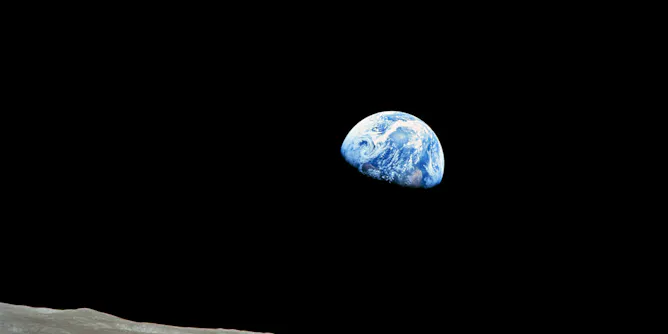
The Earth isn’t permanent, but it was here for four billion years before humans arrived and should be here for several billion more.
Articles on Sun
Displaying 81 - 100 of 200 articles

Some parts of North America will witness a total solar eclipse in April 2024. This may seem far away, but you should think about preparing for this rare and fascinating phenomenon.
An astronomer takes us on a tour of the universe to learn about the birth of stars and planets and how they get their spin.

Spending too long in the sun can damage your DNA. But what about if you retreat back to the shade? How long does it take to get back to normal?

Our ancient ancestors didn’t have clothes or houses – but that constant exposure to the sun helped their skin protect itself from the worst sun damage.

Rising concern about possible environmental damage from the active ingredients in sunscreens could have ripple effects on public health if it causes people to use less of them.

After the announcement of President Biden’s heat initiative, The Conversation revisits stories on high summer temperatures and human health.
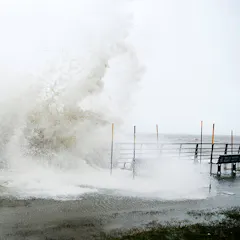
Popular belief suggests the highest tides in the St. Lawrence River are reached around the equinoxes. In truth, they arrive close to the solstices.
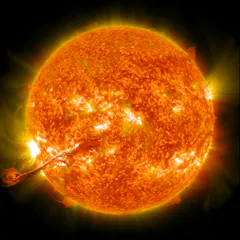
Space weather can affect satellites in a number of different ways, from frying electronics to increasing drag in the atmosphere.

The sun has entered a phase causing more chances to see the northern lights in the UK, an expert explains.
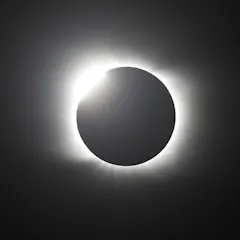
Penguins will have the best seat in the house as a total solar eclipse passes over Antarctica on December 4. Australia and New Zealand will experience a minor partial eclipse, but not a noticeable one.
The fastest things ever made by humans are spacecraft, and the fastest spacecraft reached 330,000 mph – only 0.05% the speed of light. But there are ways to go faster.
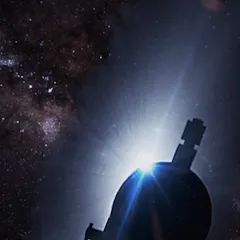
Such a mission could be developed soon, allowing astrophysicists to take selfies of the solar system and use the Sun’s gravity as a lens to peer deep into space.
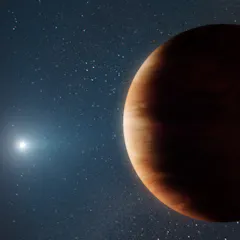
For the first time ever, astronomers have astrophysical evidence that Jupiter and many other planets will survive the death of the Sun.
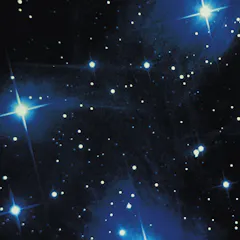
Scientists have a good estimate on the staggering number of stars in the universe.
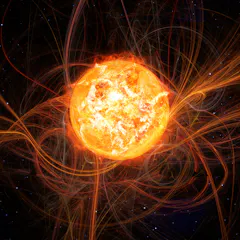
The temperature of the Sun’s surface is about 6,000°C. But higher above the surface, in the atmosphere, it suddenly shoots up to more than a million degrees!
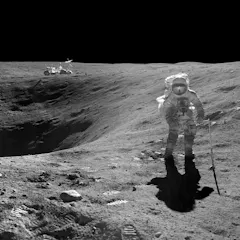
Without a magnetic field, the Moon’s surface is exposed to solar wind. These could have been depositing resources like water and potential rocket fuel on the Moon’s surface for billions of years.
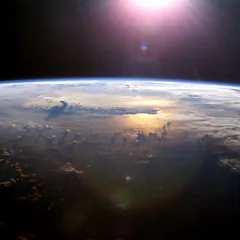
When heat in doesn’t equal heat out, Earth sees changes.
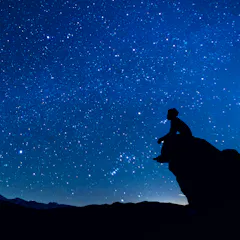
Astronomers know a lot about what’s in outer space – and think it’s possible it never ends.
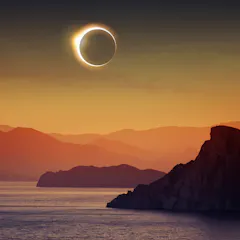
Test out scientific ideas, connect with your ancestors or just marvel at the beauty of nature.
Top contributors
-

Senior Curator (Astronomy), Museums Victoria Research Institute; The University of Melbourne
-
Senior Lecturer in Physics, Nottingham Trent University
-
Associate Professor, RMIT University
-
Director of the Abrams Planetarium, Michigan State University
-
Teaching Professor of Astronomy & Astrophysics, Penn State
-
Reader in Physical Sciences, Aberystwyth University
-
Postdoctoral research associate, University of Oxford
-
Professor of Astronomy, Mathematics, and Physics, Athabasca University
-
Researcher in Astrophysics, Smithsonian Institution
-
Professor (Astrophysics), University of Southern Queensland
-
Professor of Physics and Astronomy, USC Dornsife College of Letters, Arts and Sciences
-
Professor (Physics), University of Southern Queensland
-
University Distinguished Professor of Astronomy, University of Arizona
-
Professor of Physics, UCL
-
Chief Specialist Scientist (Public Health), South African Medical Research Council