

Canada’s planned expansion of MAID to mental illness is based on ignorance — if not outright disregard — of fundamental suicide prevention principles.
Articles on Suicide prevention
Displaying 21 - 40 of 58 articles

Fetal alcohol spectrum disorder (FASD) is a multifaceted disorder. There are complex reasons why this population may be at higher risk for suicide, suicide attempts and suicidal ideation.

What good is asking someone if they are OK if we are just performing empathy? And what do we do if they are really not OK?

If we consider suicide rates within age groups, men over 85 are at three times the average risk. We should make sure older men have ways to express when they’re not coping and seek help.

Role play and drama offer young people struggling with mental health issues an opportunity to explore the feelings that can lead to suicide.

Youth suicides in the US have increased by around 50% over the past decade – gun availability is a big part of that trend.

Healthy relationships have a positive influence on men’s health and mental health. Prioritizing relationship skills for men is one way to approach the global crisis in male suicide.

A well-intentioned public health message has had serious negative impacts on the treatment of young people for depression.

Individuals who experience suicidal thoughts can show signs of this in the language they use. We analysed more than 100 suicide notes to find these language patterns.

Despite more spending on mental health services, suicide rates continue to climb. So in light of two major new reports released this week, we need to rethink our strategy to save lives.

Early life influences have been linked to higher risk of suicide later in life. Reducing those risks, and boosting resilience in children exposed to them, may help reduce suicide rates.

Islamophobia increased post-9/11. Twenty years later, American Muslims are still dealing with the mental health effects – and research barriers limit what is known about what puts them at risk.

Suicide prevention experts believe parents can engage in an honest and safe conversation about suicide with kids.

The rate of death by suicide is rising among veterans. The most common stressor is a serious relationship difficulty.

Rates of suicidal behaviour are higher among South African students than among the general population or students in other countries. Understanding why will help shape prevention efforts.
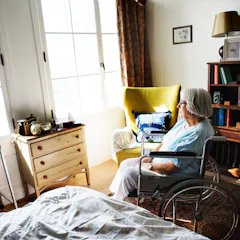
Expanding suicide prevention frameworks to include aged care residents, aligning nursing home life with community living, and improving residents’ access to mental heath services will be key.

As universities advocate for ‘zero suicide’ frameworks, it is important for university leaders to work at suicide awareness, prevention and response, and to reinforce a culture of compassion.

Researchers are beginning to look at the opportunities offered by social media to aid in suicide prevention.

Evidence shows that outright bans save lives.

R U OK Day is tomorrow, encouraging all of us to check in with others to see if they’re OK. But what if someone says “no”? What should you say or do? Should you tell someone else? What resources can you…
Top contributors
-

Chief Specialist Scientist in Alcohol, Tobacco and Other Drug Research Unit, South African Medical Research Council
-
Assistant Professor, Department of Educational and Counselling Psychology and Canada Research Chair in Youth Suicide Prevention, McGill University
-
Senior Fellow in Social Work, University of Tasmania
-
Professor and Head of Social Work, University of Tasmania
-
Assistant Professor, McGill Group for Suicide Studies, Department of Psychiatry, Faculty of Medicine and Health Sciences, McGill University
-
Professor of Social Work, CQUniversity Australia
-
Professor of Emergency Medicine, University of Colorado Anschutz
-
Consultant Psychiatrist Department of Psychiatry and Mental Health, University of Cape Town
-
Associate Professor in Sport and Exercise Psychology, University of Canberra
-
Clinical Associate Professor of Psychiatry, New York University
-
Associate Professor of Psychology, Indiana University
-
Research Fellow, Dementia Collaborative Research Centre, School of Psychiatry, University of New South Wales, UNSW
-
Academic, Centre for Youth Mental Health, The University of Melbourne
-
Professor of Clinical Neuroscience, University of Gothenburg
-
Principal Research Fellow, Australian Institute for Suicide Research and Prevention, National Centre of Excellence in Suicide Prevention, Griffith University