

Canadians are turning to AI mental health chatbots for support. But what if the bot agrees with the beliefs that are keeping you unwell?
Articles on Mental health care
Displaying 1 - 20 of 74 articles

We increasingly turn to chatbots when we are upset. But what they cannot do may be what matters most.

R U OK? Day is Australia’s most recognisable mental health campaign. A study using nine years of data looked at how it affected wellbeing and access to care.
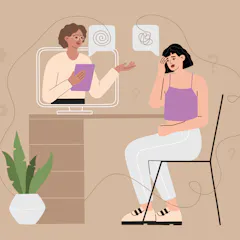
Clear communication is the secret sauce to safe and effective treatment.

Mental health disorders such as ADHD are among the top five causes of disability in Canada, yet spending on mental-health care is often viewed as an economic drain.

After my niece died by suicide, I began researching how Chinese immigrant families feel about their children’s mental health and why they often avoid care.

The late postpartum period has the highest risk for maternal deaths, yet the standard of postpartum care in the US ends at approximately six weeks after birth.

Legal frameworks that only regulate formal psychiatric facilities are written for a system the majority will not use.

Peer support is one way to help new mothers access the care they need.

New research shows that the decision to disclose a mental health condition at work isn’t purely personal and can depend on the broader workplace environment.

After a natural disaster, survivors often suffer from prolonged trauma for years to come, particularly in places where mental health services are few and far between.

A modest increase in health funding is all that’s needed to save lives. That’s a big impact for the price of a fancy coffee.

Hospitals are expensive and often traumatic places to provide mental health care.

Mental health issues are rising, yet many employees feel unsupported. Self-guided online programs can remove barriers and improve workplace wellness.

Most of us are not consciously aware of the mental blueprints that can affect our mental health and perceptions of ourselves.

As a clinical psychologist using CBT with my patients, I can attest to its efficacy – but I’ve also seen that it doesn’t work for everyone.

Knowing which kind of provider to see and how to access help can be half the battle.

Some patients report that SSRIs are helpful – even essential – in the management of mental health. Others, however, complain of being turned into zombies. Psychotherapy is an effective alternative.

Rather than asking ‘who is at risk?’ of suicide we should also ask ‘when is a person at risk?’ Our preliminary research shows this has promise.
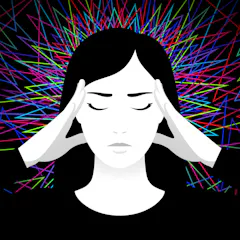
Research decisions made by clinical psychologists in the 1970s can help explain why so many people, myself included, struggle to make sense of our obsessional thoughts.
Top contributors
-

Senior lecturer, Monash University
-
Chief Specialist Scientist in Alcohol, Tobacco and Other Drug Research Unit, South African Medical Research Council
-
Occupational Therapist, University of the Witwatersrand
-
Scientia Professor & Head of the School of Psychiatry, UNSW
-
Chair Professor, Health Policy and History, University of Liverpool
-
Researcher, University of Technology Sydney
-
Professor of Psychiatry, Director of National Centre for Mental Health, Cardiff University
-
Clinical Psychologist, Stellenbosch University
-
Lecturer in urban horticulture, The University of Melbourne
-
Associate Professor of Social Work; McSilver Faculty Fellow, New York University
-
Consultant Psychiatrist Department of Psychiatry and Mental Health, University of Cape Town
-
Lecturer in Psychotherapy, School of Nursing, Psychotherapy and Community Health, Dublin City University
-
Research co-ordinator, University of Pretoria
-
Professor of Population Mental Health, The University of Queensland
-
Professor of Cognitive Neuropsychology, University of Hertfordshire