
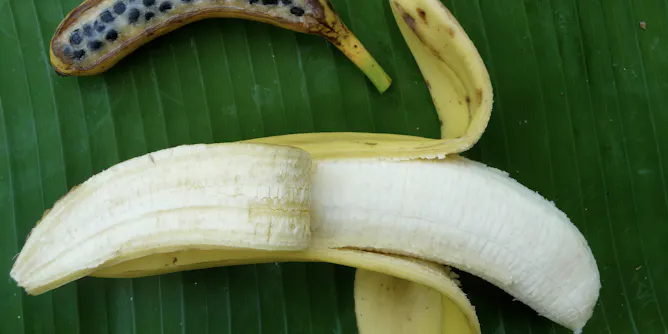
Genome analysis of common tropical crops reveals genetic diversity that is crucial to their improvement in face of environmental challenges.
Articles on sugar cane
Displaying all articles

Today, the flat white is enjoyed by people the world over. But there’s good reason to think there’s a very local history behind this special brew.
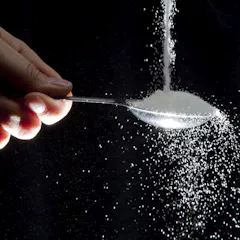
By reflecting on the violent origins of the Canadian sugar industry, we can bring wider attention to the exploitation underpinning the history of Canadian cuisine.
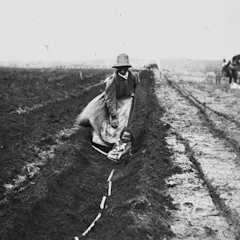
In 1881, a Pacific Islander woman brought here to work on a sugar cane plantation ran away. She was violently retrieved by her employer. Her story sheds moving light on a dark history of exploitation.

Mercury is a nasty toxin that harms humans and ecosystems. The gold and sugar-cane industries have tackled the problem, and it’s time for coal to follow suit.

An intense controversy over sending Canadian teens to Cuba to cut sugar cane in the 1970s raises questions about why WE Charity’s international development approach hasn’t been controversial for years.

Australia has failed to ratify an international treaty to reduce harmful mercury emissions. Mercury exposure can cause kidney damage and brain impairment, especially in children.
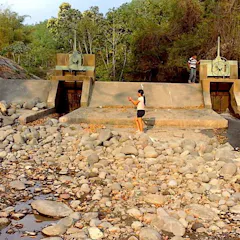
Increased use of renewable energies could help curb climate change, but the water required for their production has dispossessed rural Guatemalans.
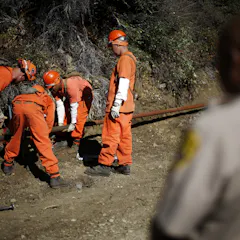
Enslaved workers used to grow cotton and mill flour. Now prisoners grind beef and crate eggs. Here, a historian explores Americans’ troubling habit of consuming the products of slave labor.

Despite the prevalence of Fairtrade sugar in UK society, the sugarcane industry remains deeply troubled.

Why you might soon be paying more for your favourite sugary drink.

Scientists have engineered sugarcane to increase its oil content and are developing renewable jet aircraft fuel from the oil. The engineered sugarcane could become a valuable energy crop.
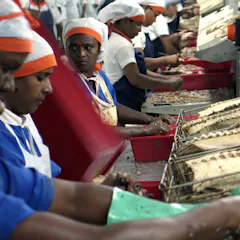
Slavery, indenture and industrialisation have all contributed to Mauritius’ multiculturalism - and to its deep social tensions.
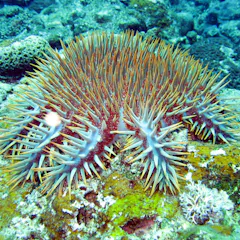
The latest Great Barrier Reef report shows some improvements to water quality over the past five years, but there’s still a lot to do on one particular problem: nitrogen.
Research has discovered a bacterium that can be used to reduce the amount of fertiliser used in the production of sugarcane…
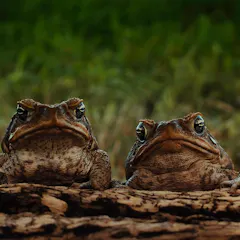
When cane toads were released in Australia in 1935, they were the latest innovation in pest control, backed by a level of consensus support that a scientist could only dream of. So what went wrong? Research…
Top contributors
-

Postdoctoral Research Fellow, The University of Queensland
-
Adjunct Professorial Fellow in Research Institute for Environment and Livelihoods, Charles Darwin University
-
Professor of Crop Sciences and Plant Biology, University of Illinois Urbana-Champaign
-
Professor of French, University of Alberta
-
Research Fellow, School of Agriculture and Food Sciences, The University of Queensland
-
Postdoctoral Researcher, University of Illinois Urbana-Champaign
-
Professor of History, Arizona State University
-
Professor - School of Agriculture and Food Science, The University of Queensland
-
Professor of Agricultural and Biological Engineering and Director of Integrated Bioprocessing Research Laboratory, University of Illinois Urbana-Champaign
-
Associate Professor of Politics and International Studies, University of Regina
-
Professor of History, University of Regina
-
Associate Professor, Australian National University
-
Matthew Flinders Professor, Flinders University
-
Professor, Global Development Studies and History, Queen's University, Ontario
-
Senior Research at Know-Center, Graz University of Technology