
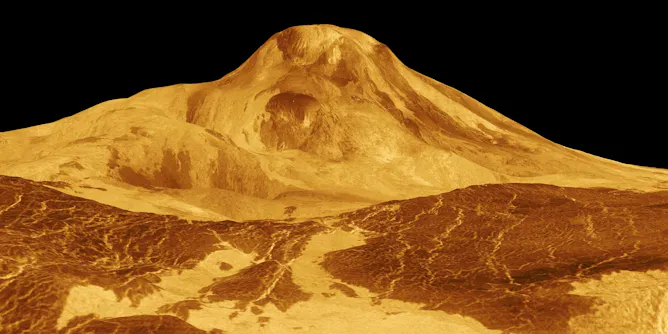
Venus and Earth share some atmospheric quirks – but how did Venus get so unbearably hot, while Earth is mild and temperate?
Articles on Mercury
Displaying 1 - 20 of 72 articles
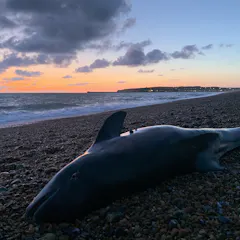
Three decades of data from UK harbour porpoises show mercury is still increasing despite a global treaty to reduce it.
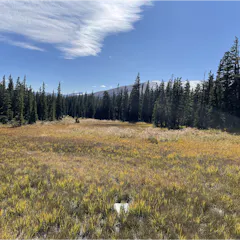
Subalpine wetlands in the Rocky Mountains are warming, creating the perfect conditions for producing methylmercury, a potent neurotoxin.
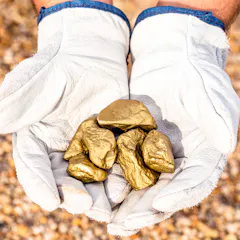
Californian startup Marathon Fusion says it could produce several tonnes of the element per year.
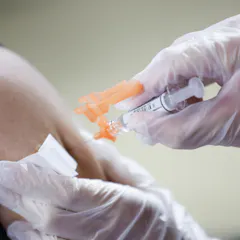
US health panel moves against thimerosal in vaccines.

The new method could also make small-scale gold mining less poisonous for people – and the planet.
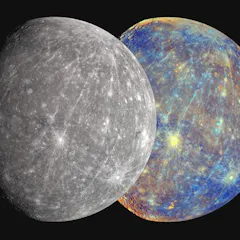
Meteorites may be the only practical way to study Mercury’s surface directly.

A quick scan with a smartphone or an online search can identify foods with lower levels of these toxic substances.
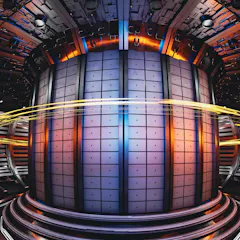
Some processes that support fusion energy fuel climate change and may harm the environment.

Lawsuits are inevitable, but an environmental lawyer explains why the EPA’s new power plant regulations are on solid ground.
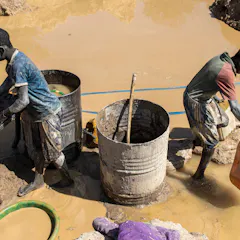
Given the dangers of mercury toxicity and the high exposure of miners and their communities, solutions are needed to reduce their exposure.
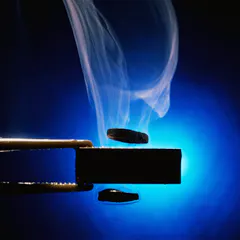
Claims about the discovery of a coveted room-temperature superconductor peppered the news in 2023. We pulled three stories from our archives on what superconductivity is and why scientists study it.
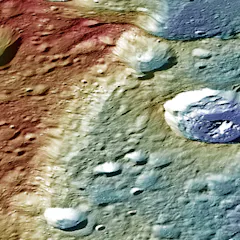
Mercury has shrunk by7 km. Most of this happened long ago, but now we have evidence that it continues.
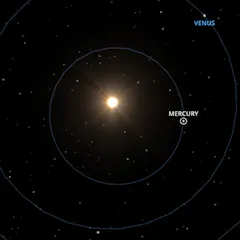
There’s nothing weird happening with Mercury. In fact, most days of the year there’s at least one planet in retrograde.
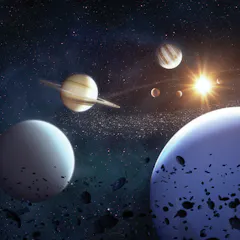
It all starts with a cloud of gas and dust.

A new study shows that a time stamp can be put on mercury that accumulates in fish eyes, offering a window into their lifetime exposure.

The Maya would have had to obtain mercury from far locations, transporting it by foot hundreds of kilometres across present-day Central America.
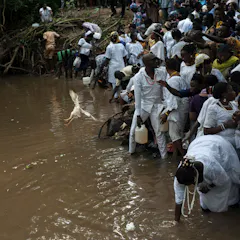
The ability of the Osun River to support biodiversity is being threatened by pollution and can only be rescued if the contamination ends.
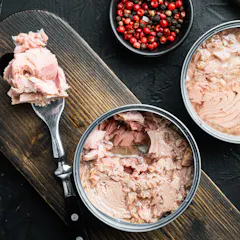
A tin of tuna is significantly cheaper than many types of fresh meat or fish. But how much can you eat before you need to worry about mercury?
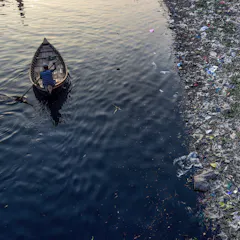
Representatives of 175 countries voted to start developing a global treaty to reduce plastic waste. Treaties addressing mercury, long-range air pollution and ozone depletion offer some lessons.
Top contributors
-

Professor of Planetary Geosciences, The Open University
-
Professor, Australian National University
-
Associate Professor, Australian National University
-
Professor of Data, Systems, and Society and Atmospheric Chemistry, Massachusetts Institute of Technology (MIT)
-
Professor, UNSW Law & Justice and UNSW Institute for Climate Risk & Response, UNSW
-
Professor, University of Canberra
-
Professor Emeritus of Environmental Studies, Macquarie University
-
Distinguished Professor of Practice, Trachtenberg School of Public Policy & Public Administration, and Director of the Regulatory Studies Center, George Washington University
-
Senior Instrument Scientist, Australian Nuclear Science and Technology Organisation
-
Associate Professor in Atmospheric Chemistry, University of Wollongong
-
Senior Curator (Astronomy), Museums Victoria Research Institute; The University of Melbourne
-
Assistant professor, Michigan State University
-
PhD Candidate in Astronomy, University of Southern Queensland
-
Universität Bremen
-
PhD Candidate, Macquarie University