
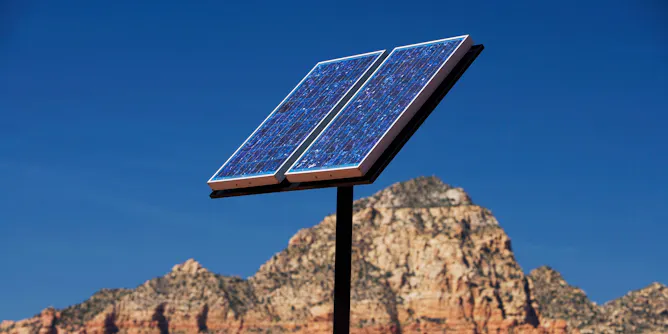
Wind and solar developers have to woo investors before they can get the tax credits they’re entitled to.
Articles on Subsidies
Displaying 41 - 60 of 98 articles
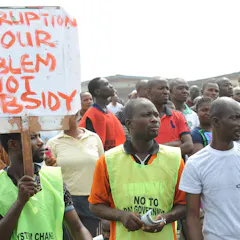
Removal of the fuel subsidy in Nigeria is long overdue, but replacing it with a transport grant is not the best approach.
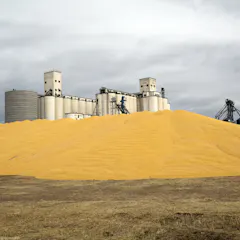
The US has required motor fuels to contain 10% biofuels since 2005. As this program nears a key milestone in 2022, farm advocates want to expand it while critics want to pare it back or repeal it.

Should the U.S. help low-income households afford water service, as it does with heating and groceries? Chile does. An economist explains how it works there and how it could work here.

Humanity’s biggest challenges are not technical, but social, economic, political and behavioural. Effective actions are still possible to stabilise the climate and the planet, but must be taken now.

Nigeria must remove fuel subsidies and channel the funds to critical sectors of its economy.
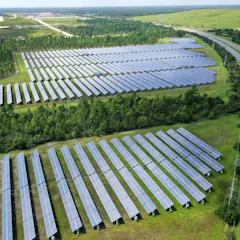
President Biden’s proposed solar power expansion would cost $350 billion in federal support over the coming decade. An energy expert explains where that money would come from and who it would help.
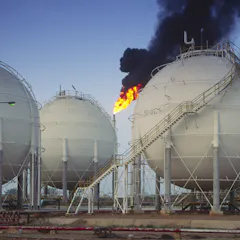
Nigeria’s new petroleum law will make its petroleum industry as competitive and attractive to investors as its peers.

Electric cars offer benefits for low-income and minority drivers, including cleaner air and lower maintenance costs. But it will take more than rebates on new models to make EVs accessible for all.
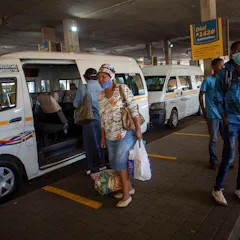
The role of government should be to improve and reorganise this sector to address the needs of users. The proposed national operational subsidy is an opportunity to do precisely that.
The idea, says our experts, was to shut down Obamacare. But it didn’t work out that way. This could take on more importance as the number of uninsured swells due to coronavirus.
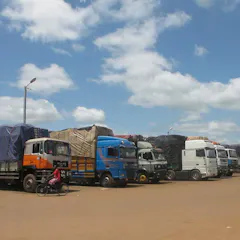
Efforts to increase trade within the continent are being undermined from the start
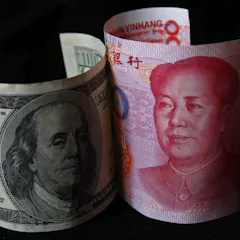
An economist explains why the US and Chinese governments are most likely to dig in their heels rather than find a compromise to end the costly trade conflict.
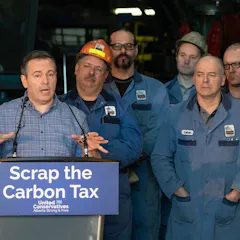
Carbon pricing is the most market-based means of addressing the climate crisis, yet it is strongly opposed by politicians that claim to support free markets.
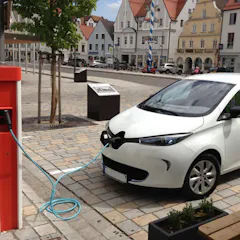
Electric vehicles are taking off, but will demand remain sustainable once governments phase out subsidies? And as the “hidden costs” of the EV revolution emerge, some might get left behind…

President Emmerson Mnangagwa’s decision to double the price of petrol shows very poor judgement and bad leadership.
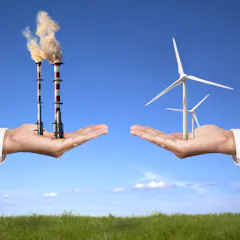
The UK’s “illegal” backup power subsidy scheme effectively subsidised fossil fuel power generation. Lets use the hiatus to build a more flexible, low carbon energy system.

The Trump administration’s promise of $12 billion in aid to offset losses from retaliatory tariffs will not make up for the long-term consequences of a prolonged trade war.
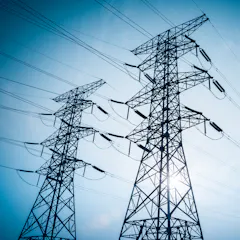
Indonesia will freeze electricity prices until the end of 2019, a presidential election year. Research shows that earlier cuts to electricity subsidies led to improved efficiency in electricity use.
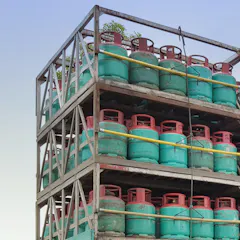
Reforms to fossil fuel subsidies must be combined with effective anti-poverty policies.
Top contributors
-

Professor of Government, The University of Texas at Austin
-
Assistant Professor of Landscape Architecture & Urban Planning, Texas A&M University
-
Professor of Education Policy & Law; Director of the National Education Policy Center, University of Colorado Boulder
-
Freelance Reporter and Editor, The Conversation
-
Professor of Economics & Business, Allegheny College
-
Associate Professor of Public Health, The Ohio State University
-
Executive Director, Swette Center for Sustainable Food Systems, Arizona State University
-
Senior Lecturer, Department of Economics, Macquarie University
-
Adjunct Lecturer in Urban Studies, The New School
-
UTS Distinguished Professor of Accounting, University of Technology Sydney
-
Professor of Civil and Environmental Engineering, Rice University
-
Senior Economist and Associate Director of Social Science and Policy, University of Michigan Energy Institute, University of Michigan
-
Professor of Management (Operations Management), The University of Melbourne
-
Senior Research Fellow in the Department of Political Economy, University of Sydney
-
Associate Professor, Department of Political Economy, University of Sydney