

Keeping aging coal plants open, building new gas plants and choices about pollution controls affect electricity bills. Pollution adds health costs and climate damage that may not appear on those bills.
Articles on US energy policy
Displaying 1 - 20 of 119 articles

Amid the ongoing energy crisis, climate economics experts assess how much export credit agencies are actually driving the shift to lower-carbon as they focus financing on green energy.
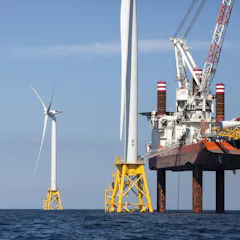
Communities have been laying the groundwork for offshore energy projects for years and counting on the jobs and energy supply.
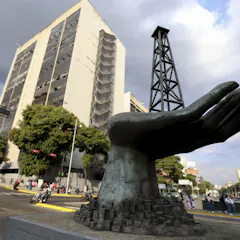
Political chaos, sanctions and technical mismanagement of the oil industry may have taken a heavy toll on the industry.
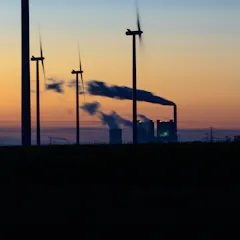
The International Energy Agency expects global renewable energy capacity to double by 2030, even with lower growth in the US, but fossil fuels still dominate.
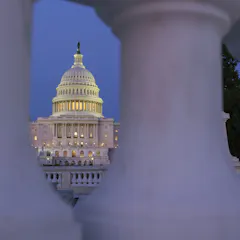
The new federal law favors energy technologies that are already profitable and increase global warming over cleaner approaches that could use the investment support.

When presidential administrations turn over, funding levels and project priorities change. A look at one specific government office demonstrates how these shifts in direction waste time and money.
Some technologies could rapidly cut emissions, while others do little to fight climate change. The House bill favors the latter while nixing support for the former.
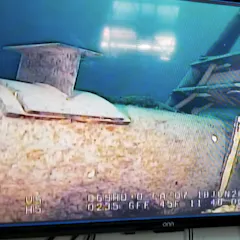
President Trump’s national energy emergency declaration does not qualify as an emergency that would exempt energy projects from environmental laws and regulations.
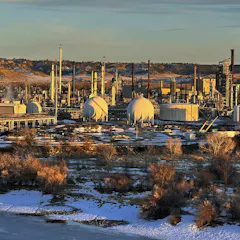
The US produces more oil today than any other country, and there is no clear emergency on the scale of the energy crises of the 1970s. But there are some causes for concern.

The Energy Department has a dual mission with a heavy science focus and manages large, expensive programs, many of which are behind schedule and over budget.
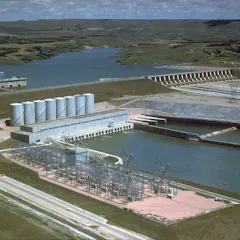
The Federal Energy Regulatory Commission recently ruled that it won’t approve energy projects on Native lands without tribal consent. But many more applications are pending.
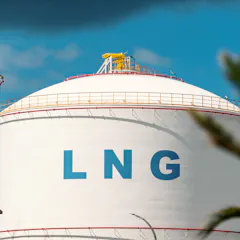
The US Department of Energy will review its process for approving new LNG projects.
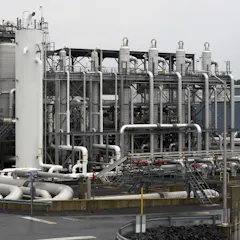
The US, a minor liquefied natural gas supplier a decade ago, now is the world’s top source. That’s good for energy security, but bad for Earth’s climate. An energy scholar explains the trade-offs.
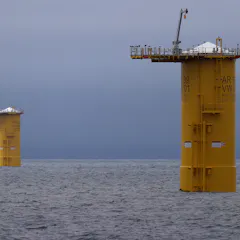
A recent study focusing on how offshore wind farms in Massachusetts waters could affect endangered right whales does not call for slowing the projects, but says monitoring will be critical.

Russia tried to weaponize energy to keep European nations from opposing its war in Ukraine, but the real pain from Putin’s actions and Western sanctions has been felt far from Europe.

Only 13% of US solar industry jobs are currently in manufacturing. The Biden administration hopes the sector will grow fast, but that might not be so simple.
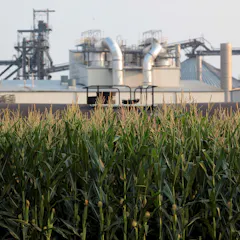
Allowing the sale of gasoline that’s 15% ethanol year-round won’t have much impact on gas prices, but recent research shows that growing corn for fuel affects the climate – for the worse.

Many people want to know about practical suggestions to help slow climate change. Effective action starts at home.
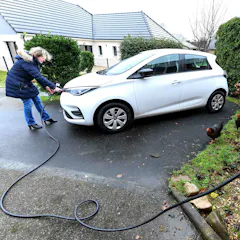
Bidirectional charging is the next big stage for electric vehicles. But storing power in your car and sending it back to your house involves more than flipping a switch.
Top contributors
-

Josey Centennial Professor of Energy Resources, The University of Texas at Austin
-
Lecturer in International Studies, University of Washington
-
Research Scientist, The University of Texas at Austin
-
Director, Energy, Climate Justice, and Sustainability Lab, and Research Professor, New York University; Tufts University
-
Professor at the Haas School of Business, University of California, Berkeley
-
Assistant Professor of Energy Resource Economics, State University of New York College of Environmental Science and Forestry
-
Professor of Energy and Environmental Economics and International Affairs, Penn State
-
Senior Scientist, Lawrence Berkeley National Laboratory
-
Affiliate, Electricity Markets & Policy Group, Lawrence Berkeley National Laboratory
-
Professor, Texas A&M University
-
W. M. Keck Professor of Environmental Analysis and History, Pomona College
-
Senior research associate (Resources for the Future), Lecturer (University of Michigan Ford School of Public Policy), University of Michigan
-
Research Professor Emeritus, University of Michigan
-
Professor of Climate Justice, Maynooth University
-
Director, Center for the New Energy Economy, Colorado State University