

Unis have always had academic misconduct processes in place. But the impact of these experiences on students’ wellbeing has been mostly anecdotal.
Articles on Student mental health
Displaying 1 - 20 of 68 articles

Results of a teacher survey suggest high schools would be better off adopting bell-to-bell restrictions with consistent phone storage protocols.

Engagement in mental health frameworks is voluntary – but in Wales, that’s changing.
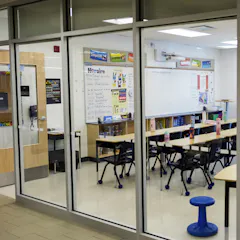
Systemic barriers, mental-health issues and insufficient school supports for students with disabilities are among the factors that affect absenteeism rates.

Students and their families can’t plan for everything, or know with absolute certainty what the best decision is. But they can be better informed about options.

College students’ psychological well-being has deteriorated in the past two decades, but recent data suggests the tide could be turning.

We found those who accepted their emotions, without judgement, felt more positive during the wait. This strategy also worked after students got their results, regardless or what they were.

More preteen boys are struggling with behavioral issues, while more teen girls are experiencing anxiety and depression.

Students in windowless rooms are reporting anxiety, depression and fatigue. A professor of architecture says developers need to let the light shine in.
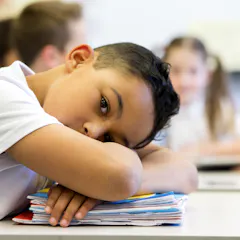
Florida’s school safety data dashboard is one of the most comprehensive in the US. A school safety researcher explains how schools and parents can use it.
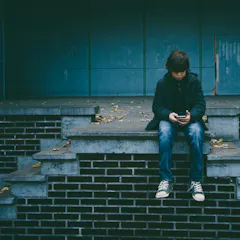
Bullying is not going away. The eSafety Commission recently revealed a 40% jump in cyberbullying reports.
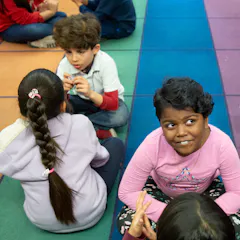
A key way to support mental health and well-being is to support strong reading instruction especially early in children’s education.

Insights from youth about COVID-19 school closures and youth exclusion from pandemic-related decisions suggest we have an opportunity to improve how we support youths’ rights.

All instructors, regardless of the field, can promote mental health both by sharing specific resources and by designing accessible and flexible courses.
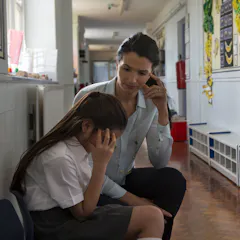
Teachers are often seen as front-line mental health providers by default. Is this reasonable?

Much of the public discussion on preventing school shootings is about whether and how to limit people’s access to firearms. But other strategies can reduce the risk for violence.

Self-blame was found to be associated with experiencing suicidal thoughts.

Making unsubstantiated claims that pandemic online learning caused mental health problems doesn’t help us address students’ current needs.
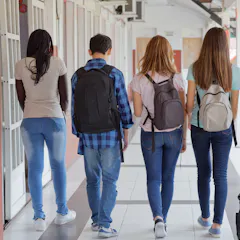
Punishing attendance problems fails to address the issues facing students, from family responsibilities to barriers related to racism or inadequate support for disabilities.

The transition to a new school year will be an important time for students to focus on strategies for fostering positive mental health and well-being, and recognizing signs that help may be needed.
Top contributors
-

Affiliated researcher, School of Policy Studies, Queen's University, Ontario
-
Professor of Inclusive Education, L’Université d’Ottawa/University of Ottawa
-
S.J. Axelrod Collegiate Professor of Health Management and Policy, University of Michigan
-
Professor of Psychology and Licensed Mental Health Counselor, Purdue Global, Purdue University
-
Senior Lecturer in Philosophy and Co-Director of the Centre for Engaged Philosophy, University of Sheffield
-
Professor of Educational Policy Studies & Sociology, University of Wisconsin-Madison
-
Senior Lecturer, Psychology and Counselling, School of Human Sciences, University of Greenwich
-
Professor, Department of Educational Administration, University of Saskatchewan
-
Chair, Department of Neuroscience, Carleton University
-
Assistant Professor, Community Rehabilitation and Disability Studies, University of Calgary
-
Professor of School Psychology, University of South Florida
-
Associate Professor, Department of Psychology, and Director, Mental Health Strategy, University of Calgary
-
PhD student, Clinical Psychology, University of Calgary
-
Canada Research Chair in Child Health Equity and Inclusion and Associate Professor, Department of Health Sciences, Brock University
-
Behavioral Scientist, University of Michigan