

Could a 10-minute meeting between teachers and principals reduce teacher turnover? A researcher explores the possibilities.
Articles on Stress
Displaying 161 - 180 of 580 articles
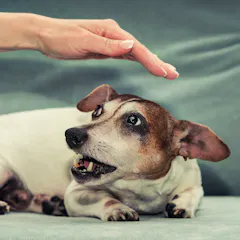
Companion dogs respond to their environments and their owners’ sense of well-being. When owners are stressed and anxious, dogs can exhibit undesirable behaviours.

Chronic stress from living with systemic racism and gun violence can lead to increased symptoms of PTSD and depression as well as elevated cortisol levels.

Many stressors may be coming from interactions with technology: small but frequent frustrations that quickly dissipate, but when added up trigger digital distress.
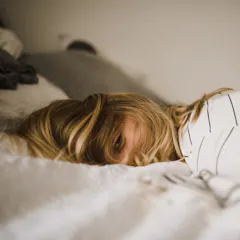
Some of what is being blamed on cortisol are symptoms of chronic stress or depression – which makes sense, since they’re linked.
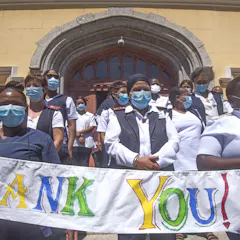
COVID-19 and responses to the pandemic have increased our attention on how individuals and systems cope with stress-inducing shocks.
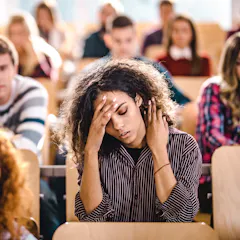
A new survey found that many people avoid college due to stress. A course design expert says it doesn’t have to be that way.

Screen time overload? Here’s how to regain control and boost your health.

Sometimes a choice over what to order at a restaurant or wear to work can feel as much an ordeal as major life decisions. Here’s what psychology research shows about why.
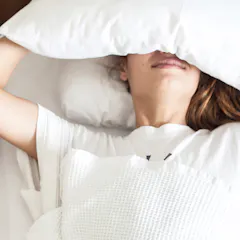
You can train your brain to get excited about the start of the week – or at least cope with it.

The average person will spend 90,000 hours at work over a lifetime, so you might as well try and enjoy it.

Understanding and finding ways to reduce our financial stress – and its emotional impact on us – can help make this challenging time a bit easier.
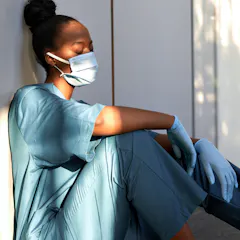
Disturbed sleep can worsen depressive symptoms of health care workers whose jobs come with high levels of emotional labor and work-family conflict.
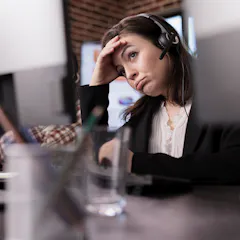
Decreased patience and heightened emotions have created a cycle of frustration, with rude customers having abrupt interactions with stressed out service workers.

Studies show that contact with nature reduces the activity of the amygdala, a region of the brain linked to intense emotions, stress and anxiety.
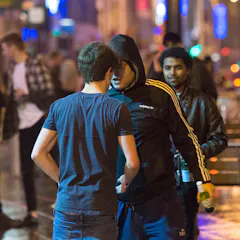
Recent research shows how the relationship between alcohol consumption, queuing and crowds can lead to violent behaviour in city centres at night.
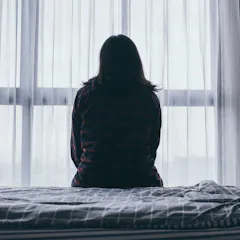
Public health measures in response to the COVID-19 pandemic meant that many people experienced social isolation. But the pandemic didn’t invent loneliness, and its impacts on our health are growing.
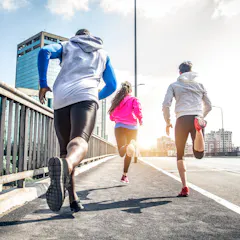
Running gives us an identity that may help us cope when our sense of self is challenged at work.
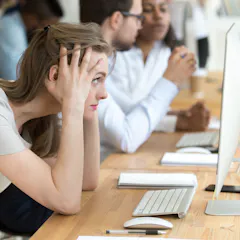
Dealing with stressful environments is too often left in the hands of employees.
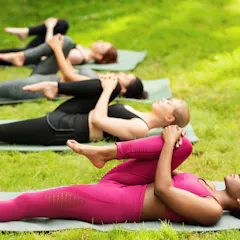
As tempting as it is, it is not possible to “supplement” oneself out of a bad lifestyle.
Top contributors
-

Associate Professor, Centre for Positive Health Sciences, RCSI University of Medicine and Health Sciences
-
Professor of Organisational Psychology and Health, University of Manchester
-
Associate Professor of Family & Community Medicine and Pediatrics, retired, University of California, San Francisco
-
Associate Professor (Adj) He/Him, Southern Cross University
-
Assistant Professor, Department of Psychology, University of Manitoba
-
Senior Research Fellow in Mental Health, Victoria University
-
Associate Professor of Organisational Behaviour, Bond Business School, Bond University
-
Professor of Psychiatry, Wayne State University
-
Associate Professor, Psychosocial Difficulties, University of Oslo
-
Assistant Professor of Psychiatry and Behavioral Neurosciences, Wayne State University
-
Professor of Psychology, USC Dornsife College of Letters, Arts and Sciences
-
Honorary Professor, Centre for Health Systems and Safety Research, Macquarie University
-
Director, Field Experience (Community-Based), Werklund School of Education, University of Calgary
-
Senior Lecturer in Sport & Exercise Psychology, Sheffield Hallam University
-
Business psychologist, Lancaster University