
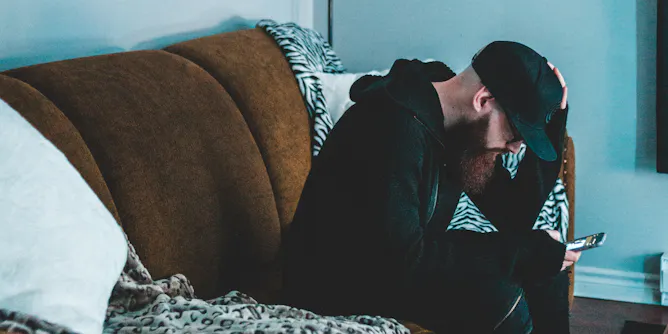
A survey of 500 adults in the US provides a snapshot of the ways people are dealing with life during a pandemic and how well they think they’re doing.
Articles on Stress
Displaying 361 - 380 of 580 articles
To boost your immune defenses against corona and other viruses, one of the most effective things you can do is maintain your natural circadian rhythms. Here’s how to do that.
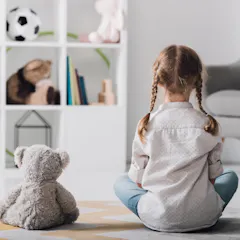
You can’t ask a child to sit still for 45 minutes and focus on their breath. But mindfulness activities can be adapted for children – and they might come in handy during these stressful times.
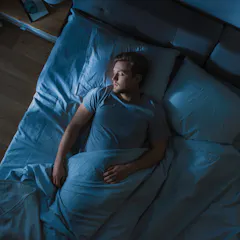
Sleep supports our immune function and helps us deal with stress. During this uncertain time, making sleep a priority is more than self-care – it’s essential.
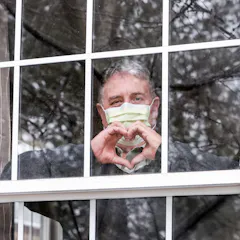
‘Post-traumatic growth’ can make us stronger, more resilient and empathetic.
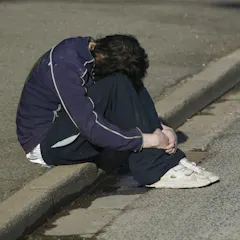
Stress, loss, loneliness and isolation are key factors in clinical depression, which affects millions. The US was unprepared for COVID-19 – will it remain unprepared for its medical aftermath?

The uncertainty and instability around coronavirus can exacerbate existing mental health problems or contribute to new ones. But there are things you can do to reduce your risk of mental ill health.
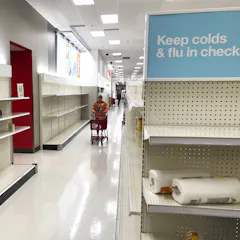
Faced with uncertain and anxious times, brains send out instructions to start stockpiling supplies – whether you’re a person facing a pandemic, or a rodent prepping for a long winter.

Go on! Read a good book, tickle your kids, pick a flower from your garden. We need to savour these tiny moments of pleasure to ease the stress we all face.
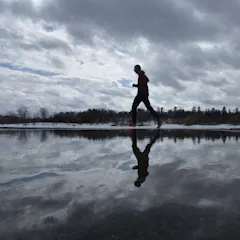
The immune system can respond to stress in ways that harm health. But there’s a stress-buster that can help keep you calm and healthy: exercise.

Apart from their functional purpose, products can also impact how we feel, both about ourselves and our situation.
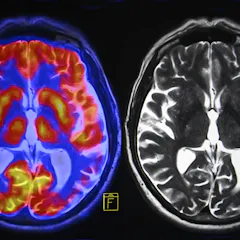
Chemical changes in the brain associated with chronic stress can put our cognition and mood under serious strain.
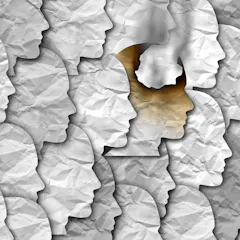
Daily recovery can not only relieve burnout – it may also prevent it in the first place.
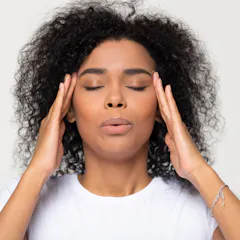
A psychologist explains how to get a grip on anxiety triggered by COVID-19.
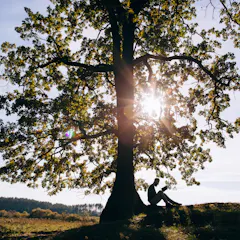
A review of evidence found that sitting or walking in nature for 10 to 20 minutes could benefits student mental health.

Academics report feeling unhappy and isolated in their current work culture.
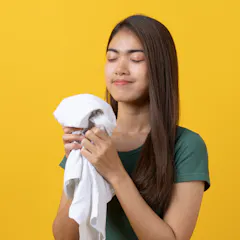
Smelling a romantic partner’s clothing is common behaviour, and research shows that it may improve sleep quality, and ease stress levels.

Stress, and more chronic exhaustion such as burnout, is commonplace within the modern workplace.
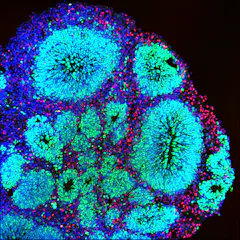
Brain organoids are tiny models that neuroscientists use to learn more about how the brain grows and works. But new research finds important differences between the model and the real thing.
New research has identified the main triggers of this psychological phenomenon, the contexts in which it happens and the types of fears involved in it.
Top contributors
-

Associate Professor, Centre for Positive Health Sciences, RCSI University of Medicine and Health Sciences
-
Professor of Organisational Psychology and Health, University of Manchester
-
Associate Professor of Family & Community Medicine and Pediatrics, retired, University of California, San Francisco
-
Associate Professor (Adj) He/Him, Southern Cross University
-
Assistant Professor, Department of Psychology, University of Manitoba
-
Senior Research Fellow in Mental Health, Victoria University
-
Associate Professor of Organisational Behaviour, Bond Business School, Bond University
-
Professor of Psychiatry, Wayne State University
-
Associate Professor, Psychosocial Difficulties, University of Oslo
-
Assistant Professor of Psychiatry and Behavioral Neurosciences, Wayne State University
-
Professor of Psychology, USC Dornsife College of Letters, Arts and Sciences
-
Honorary Professor, Centre for Health Systems and Safety Research, Macquarie University
-
Director, Field Experience (Community-Based), Werklund School of Education, University of Calgary
-
Senior Lecturer in Sport & Exercise Psychology, Sheffield Hallam University
-
Business psychologist, Lancaster University