
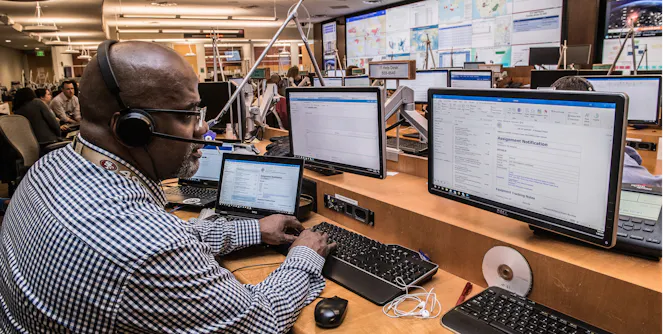
Burnout as the result of workplace stress has big implications for employers. Occupational health and safety standards require employers to protect both the physical and mental health of workers.
Articles on Stress
Displaying 281 - 300 of 580 articles
The early childhood years, particularly ages 0-3, are the building blocks of life.

In learning what we can from stressful situations, we can model efficient ways of coping for our children

After more than a year of idealizing life without COVID-19, people are starting to reenter ‘normal’ life. Clinical psychology provides guidance on how to prepare for your post-pandemic reboot.

To live well through and beyond the pandemic, we need to recognize the moral distress experienced by people, and especially health-care workers.
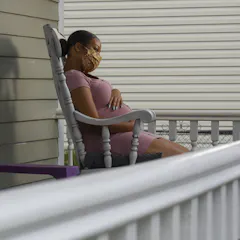
Pregnant women’s experiences can affect their babies’ health, even into adulthood. Researchers know societywide stresses can lead to these long-term consequences – and the pandemic likely fits the bill.
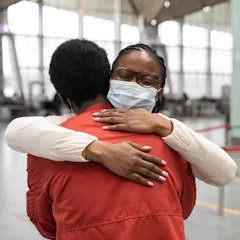
Touch is the first sense to develop in the womb.

To keep our health care providers healthy, we need to help them sleep.

Fetal brains are changing rapidly over the course of pregnancy, but so are the brains of mothers-to-be. Neuroscience research shows one way worry can start taking hold – and a simple way to help.

Violence is a tough but necessary subject to address. Here are four articles on how to speak to your child about violence.

When dealing with a difficult event, such as the current pandemic, the electrical current that governs our brains is altered, affecting behaviour and mood.
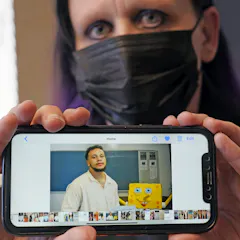
For the 6.5 million Americans who have an incarcerated family member, COVID-19 has made an already stressful situation much worse by drastically limiting communication and raising fears of death.

Combating catastrophic demoralization and suicidal thoughts during COVID-19 means supporting people to reconnect with their values, with meaning in life and with others.
The COVID-19 pandemic has not only increased risk factors for violence, but also simultaneously decreased resiliency for individuals as well as communities.
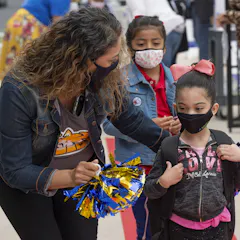
As more people get vaccinated and different facets of society slowly reopen, challenges remain in the nation’s quest to get back to normal. Here are five articles that help illuminate the path.

Does it really matter that Indigenous people and other racialized people experience microaggressions? The short answer: Yes.

The more that educators of color feel the need to tiptoe around issue of racism in schools, the less likely they seem to stay in the job, new research shows.
Canadians who had poor finances and health were more likely to report financial stress across the first several months of the pandemic.
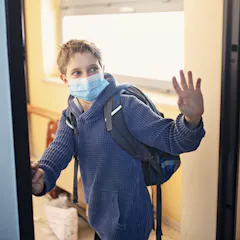
After more than a year of isolation and empty schedules, some kids might be apprehensive or anxious about interacting with the outside world. Psychology experts provide tips to ease the transition.

Research shows that the gaps in physical exercise have widened substantially between men and women, whites and non-whites, rich and poor and educated and less educated: especially during the pandemic.
Top contributors
-

Associate Professor, Centre for Positive Health Sciences, RCSI University of Medicine and Health Sciences
-
Professor of Organisational Psychology and Health, University of Manchester
-
Associate Professor of Family & Community Medicine and Pediatrics, retired, University of California, San Francisco
-
Associate Professor (Adj) He/Him, Southern Cross University
-
Assistant Professor, Department of Psychology, University of Manitoba
-
Senior Research Fellow in Mental Health, Victoria University
-
Associate Professor of Organisational Behaviour, Bond Business School, Bond University
-
Professor of Psychiatry, Wayne State University
-
Associate Professor, Psychosocial Difficulties, University of Oslo
-
Assistant Professor of Psychiatry and Behavioral Neurosciences, Wayne State University
-
Professor of Psychology, USC Dornsife College of Letters, Arts and Sciences
-
Honorary Professor, Centre for Health Systems and Safety Research, Macquarie University
-
Director, Field Experience (Community-Based), Werklund School of Education, University of Calgary
-
Senior Lecturer in Sport & Exercise Psychology, Sheffield Hallam University
-
Business psychologist, Lancaster University