
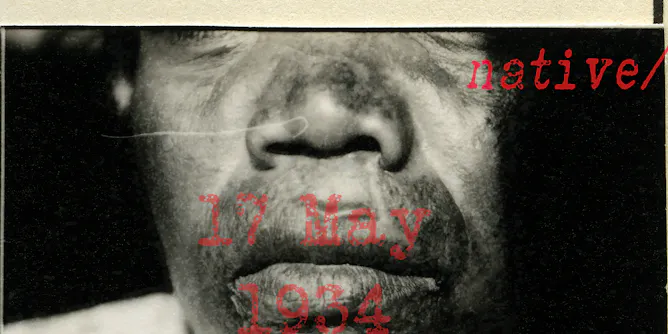
The National Gallery of Australia’s Third National Indigenous Art Triennial presents a passionate well-considered argument for an enduring Aboriginal culture.
Articles on Stolen Generations
Displaying 41 - 53 of 53 articles
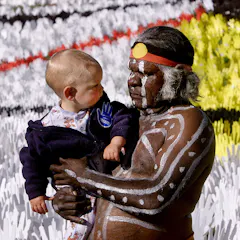
Racism is again on the rise in many parts of the world. So is the dehumanisation of our enemies. What hope is there, then, for notions of a common humanity?
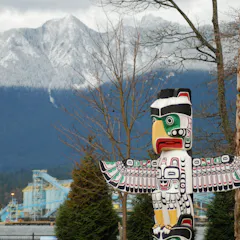
The relationship between Canada’s Aboriginal peoples and non-indigenous population has never been an equal one, even though the 1982 national constitution recognises Aboriginal rights.

Sarah Hanson-Young told Q&A that Indigenous children are currently ten times more likely to be living out of home. Is that right?
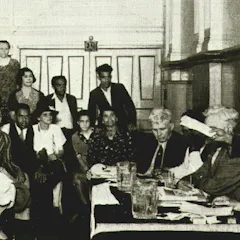
Researchers aim to record the experiences of the last people to live under the control of the Aborigines Protection/Welfare Board in NSW as part of a complete history of its far-reaching impacts.
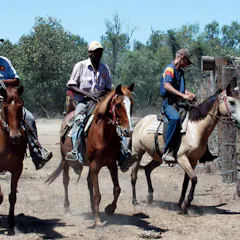
The company built by ‘Cattle King’ Sidney Kidman is for sale. He enjoyed good relations with the Indigenous inhabitants, but proper recognition of their rights to their land seems ever more elusive.
A bill before South Australian parliament would make it the second Australian state to compensate Stolen Generation survivors and their children. Tangible recognition of their suffering is overdue, but…
After a long period of expansion in the number of children living in out-of-home care, most modern child protection systems around the world have been labouring to prevent such placements. Instead, they’re…
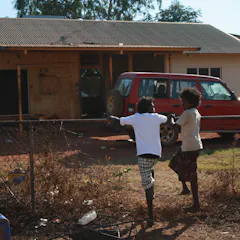
In some jurisdictions of Australia, the rate of Indigenous children in foster, kinship and residential care on any one night has reached almost one in ten. This rate is almost ten times higher than non-Aboriginal…
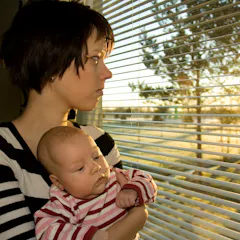
Most people reasonably assume there is evidence of good long-term outcomes for children who come into contact with child protection systems. Why else would we intervene in the lives of children and their…
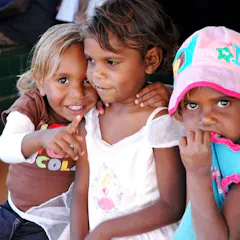
Five years ago, prime minister Kevin Rudd took to the nation’s driving seat with the historic Stolen Generation apology. With the theme of this year’s NAIDOC (National Aboriginal and Islander Day Observance…
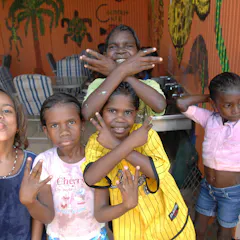
Five years ago, Kevin Rudd made an apology to the Stolen Generations of this country for the wholesale practice of removing Aboriginal children from their families and the identity-shattering impacts this…
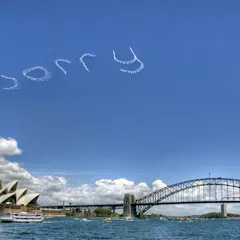
As we are about to mark the 14th National Sorry Day and the fourth since the National Apology was delivered by former prime minister Kevin Rudd, I can’t help but wonder if much has changed since the days…
Top contributors
-

Associate Professor, Faculty of Law, University of Technology Sydney
-
Professor Indigenous Health Equity, The University of Melbourne
-
Professor, Critical Indigenous Studies and Director of The Centre for Global Indigenous Futures, Macquarie University
-
Doctoral candidate ANU, Australian National University
-
Doctor of the University (Honoary Doctorate) and Managing Director, West Australian Stolen Generations Aboriginal Corporation, Murdoch University
-
Director, Arney Chong Consulting and Positive Futures Research, Adelaide University
-
Associate professor, Jumbunna Insitute for Indigenous Education and Research, University of Technology Sydney
-
Professorial Fellow, University of Canberra
-
Professor, Australian and Aboriginal History, Faculty of Arts, Design and Architecture, Convenor: Indigenous Land & Justice Research Group, UNSW
-
Aboriginal Enterprise Fellow, Australian Centre for Child Protection, Adelaide University
-
Senior Research Fellow, Indigenous Land & Justice Research Group, UNSW
-
Sessional Tutor and Journalist, The University of Melbourne
-
Research Fellow, University of Technology Sydney
-
Senior Research Fellow, Co-Head, Aboriginal Health and Wellbeing, The Kids Research Institute Australia
-
Senior Honorary Research Fellow, The University of Western Australia