
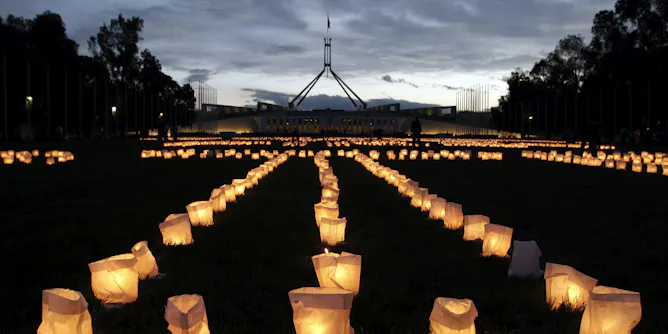
A generation after the apology to the Stolen Generations, survivors’ medical, psychological and care needs are becoming more acute with age.
Articles on Stolen Generations
Displaying 1 - 20 of 53 articles
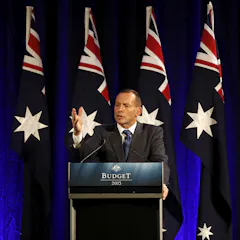
Tony Abbott begins his book Australia: A History, by telling off professional historians – and laments the “cultural confusion” of our present moment.
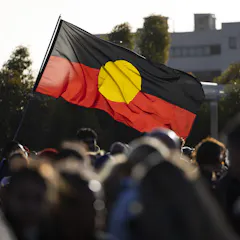
After decades of trauma that’s still being felt today, the state has launched a redress scheme for survivors of the Stolen Generations - years after other states did the same.
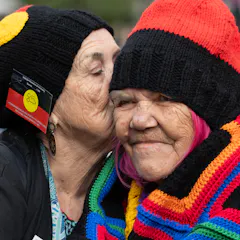
The landmark Bringing them Home inquiry was a chance to come to terms with the past. But the key recommendations of apology and compensation were rejected.
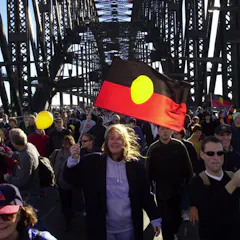
In May 2000, Australians marched to symbolise coming together. But in the decades that followed, promises to Indigenous people have gone unfulfilled.

At the turn of the 21st century, Australia put on a show for the world, but for all the talk of the future, we still had one foot in the past.
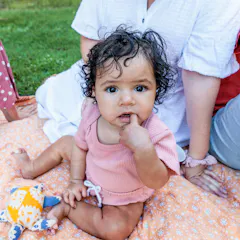
Indigenous children are 11 times more likely to be removed than non-Indigenous children. Babies under one are at greatest risk.
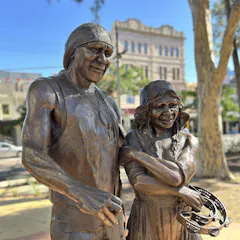
The statue stands at street level, embodying an ongoing presence. They are casual, approachable and engaged, as if in conversation with the community.
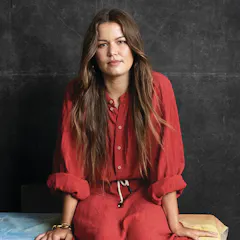
The child protection system didn’t protect Bundjalung Widubul-Wiabul woman Vanessa Turnbull-Roberts – it removed her from a loving family. Her book is a reality check.
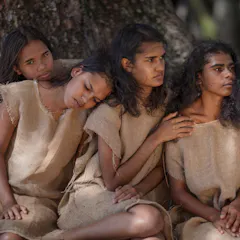
The Protectionist era was a painful time for First Nations people – but artists are recreating clothing from this time as a powerful method of healing,

Indigenous people have long spoken about coercive practices of officials and experts around birth control, as late as the 1960s. Now historians are finding evidence in the government’s own records.
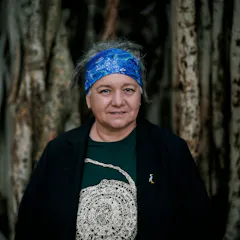
Melissa Lucashenko’s latest novel is an epic, affirming pathways for Indigenous futures – and she gifts us with characters impossible not to invest in.
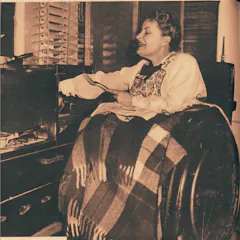
Was international bestselling author Dorothy Cottrell too female, too popular, too ‘unAustralian’ and perhaps, too disabled, for the local literary establishment?
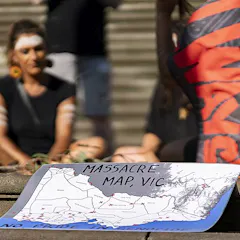
Truth-telling between First Nations and non-Indigenous people is a vital step in recognising past colonial wrongdoing. And research has found it is also a step towards self-determination and healing.
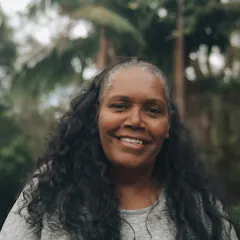
Brenda Matthews’ story is a truth-seeking quest to right the wrongs perpetrated by a government hell-bent on doing ‘as they saw fit’ when it came to Aboriginal peoples, writes Sandra Phillips.
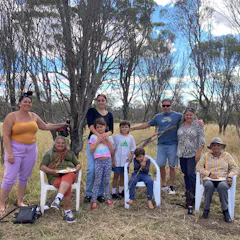
For descendants of those stolen, restoring a special family place enables them to reconnect to the past, to people and identity.
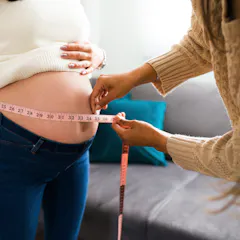
First Nations women and their newborns are considered high risk due to fatality rates and access to care. Research shows First Nations-led culturally safe healthcare could prevent further deaths.

Our analysis revealed the relative attention our news and opinion pieces gave to First Nations peoples began to grow steadily from around 2005, with a huge peak in 2007.
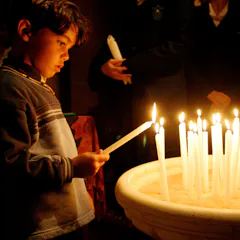
Today is National Sorry Day. This is when we commemorate Aboriginal and Torres Strait Islander people who were forcibly removed from their families.
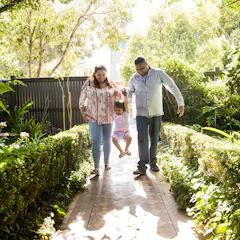
A new bill in NSW seeks to reduce First Nations children in out-of-home care. Before the bill can become law, it must pass the lower house.
Top contributors
-

Associate Professor, Faculty of Law, University of Technology Sydney
-
Professor Indigenous Health Equity, The University of Melbourne
-
Professor, Critical Indigenous Studies and Director of The Centre for Global Indigenous Futures, Macquarie University
-
Doctoral candidate ANU, Australian National University
-
Doctor of the University (Honoary Doctorate) and Managing Director, West Australian Stolen Generations Aboriginal Corporation, Murdoch University
-
Director, Arney Chong Consulting and Positive Futures Research, Adelaide University
-
Associate professor, Jumbunna Insitute for Indigenous Education and Research, University of Technology Sydney
-
Professorial Fellow, University of Canberra
-
Professor, Australian and Aboriginal History, Faculty of Arts, Design and Architecture, Convenor: Indigenous Land & Justice Research Group, UNSW
-
Aboriginal Enterprise Fellow, Australian Centre for Child Protection, Adelaide University
-
Senior Research Fellow, Indigenous Land & Justice Research Group, UNSW
-
Sessional Tutor and Journalist, The University of Melbourne
-
Research Fellow, University of Technology Sydney
-
Senior Research Fellow, Co-Head, Aboriginal Health and Wellbeing, The Kids Research Institute Australia
-
Senior Honorary Research Fellow, The University of Western Australia