
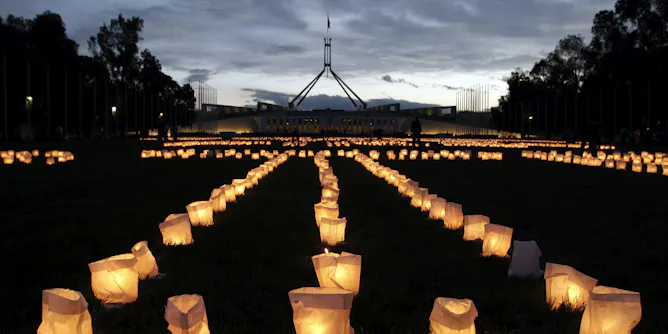
A generation after the apology to the Stolen Generations, survivors’ medical, psychological and care needs are becoming more acute with age.
Articles on Apology to the Stolen Generations
Displaying all articles
As well as her interviews with politicians and experts, Politics with Michelle Grattan includes “Word from The Hill”, where she discusses the news with members of The Conversation’s politics team.

Our analysis revealed the relative attention our news and opinion pieces gave to First Nations peoples began to grow steadily from around 2005, with a huge peak in 2007.
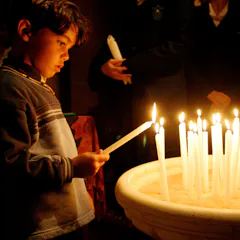
Today is National Sorry Day. This is when we commemorate Aboriginal and Torres Strait Islander people who were forcibly removed from their families.
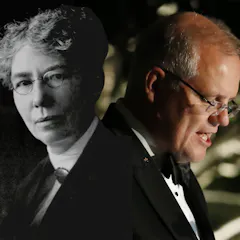
A close friend of John Curtin, Dame Mary Gilmore wrote poems on topics such as colonial violence and the plight of the koala. How has her great, great nephew, Scott Morrison, chosen to remember her?
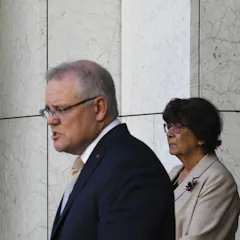
Scott Morrison’s comments on the 14th anniversary of the Stolen Generations’ Apology show a lack of understanding of what is really needed to ensure healing for First Nations peoples.
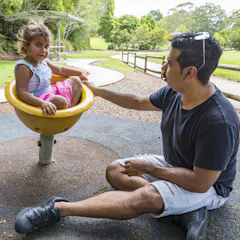
As we edge closer to another anniversary of Kevin Rudd’s National Apology to the Stolen Generations, the number of First Nations children in out-of-home has increased.
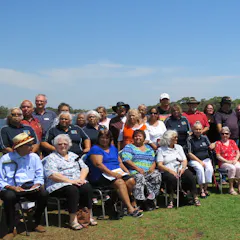
We need to stop taking Aboriginal and Torres Strait Islander children out of their homes and listen to elders instead.
Michelle Grattan sits down with Deep Saini to review the week in politics.
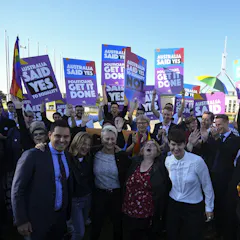
A new survey asking Australians to rank the most significant events in their lifetimes show that same-sex marriage, September 11 and the apology to the Stolen Generations matter most.
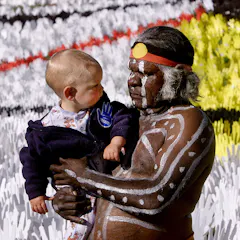
Racism is again on the rise in many parts of the world. So is the dehumanisation of our enemies. What hope is there, then, for notions of a common humanity?
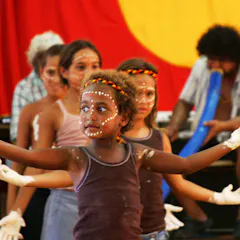
In many ways, the “great Australian silence” about Indigenous history, pointed out by eminent anthropologist W.E.H. Stanner back in 1968, still endures in this country some 50 years later.
Top contributors
-

Professorial Fellow, University of Canberra
-
Professor, Law Faculty, Monash University
-
Vice-Chancellor and President, University of Canberra
-
Raimond Gaita is a Friend of The Conversation.
Honourary professorial fellow, Melbourne Law School, The University of Melbourne
-
Professor, Department of Economics & SoDa Laboratories, Monash Business School, Monash University
-
Adjunct Professor, Monash University
-
Senior Lecturer in Literary Studies, Macquarie University
-
Adjunct Senior Research Fellow in Early Childhood Development, The University of Western Australia
-
Senior Research Fellow, Co-Head, Aboriginal Health and Wellbeing, The Kids Research Institute Australia
-
Research Fellow (Indigenous Diplomacy), Australian National University
-
Associate Professor of Sociology, University of Canberra
-
Professor, Critical Indigenous Studies and Director of The Centre for Global Indigenous Futures, Macquarie University
-
Professor, Department of Human Centred Computing, Monash University
-
Senior Research Fellow in Social Policy and Social Work, UNSW
-
Director, Vice-Chancellor's Centre of Public Ideas (CoPI) and Donald Horne Professor of History and Public Ideas, University of Canberra