
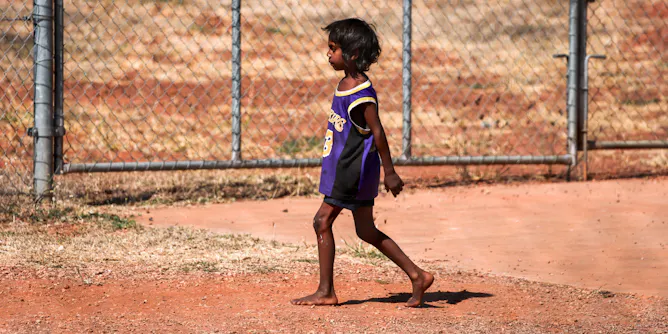
Media has reported up to 15 children have been living unattended in a squalid house in WA’s Pilbara. While the danger didn’t start overnight, the fixes can.
Articles on Child protection
Displaying 1 - 20 of 100 articles
South Africa’s social workers face a huge burden without much support, and burnout is a risk.
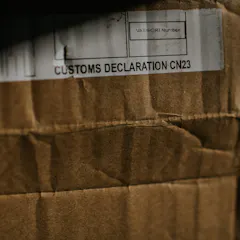
It’s illegal to import or possess them, but child-like sex dolls can be bought online. Each seizure is an opportunity to prevent real child sex abuse.
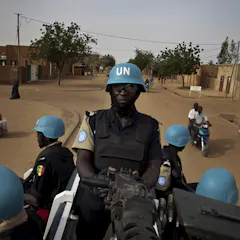
A child born into a community with a history of political unrest is at higher risk of abuse as they grow into a young adult.
The real test is not whether governments can remove children faster. It’s whether they can invest enough that fewer children need to be removed at all.
New research shows despite increased government funding, Australia’s child protection system isn’t getting better outcomes. Here’s why.

Overseas experience suggests predictive tools can improve child protection, if used carefully. Should NZ reconsider its stance?
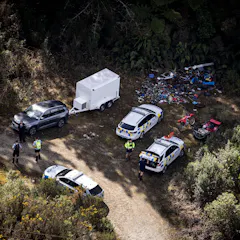
The inquiry is essential to establish accountability, and to ensure New Zealand’s child protection framework meets international standards of care and vigilance.
A child protection law is failing the learners it was designed to safeguard.

Lack of co-ordination means that information important for the safety of children can be missed.

Distrust, systemic racism and fear all drive First Nations families away from using the court.
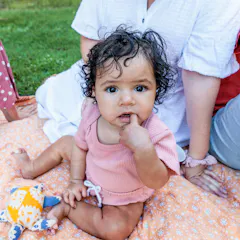
Indigenous children are 11 times more likely to be removed than non-Indigenous children. Babies under one are at greatest risk.
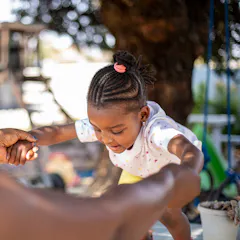
Young children’s development between the ages of 2 and 5 is shaped by a range of influences.
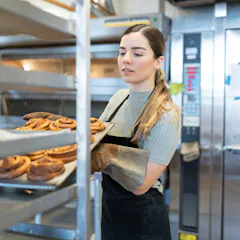
Regulations protecting children in hazardous jobs are insufficient or non-existent, leaving, a significant part of the Australian workforce open to exploitation.

The increased availability and consumption of unhealthy food has contributed to poor health outcomes.
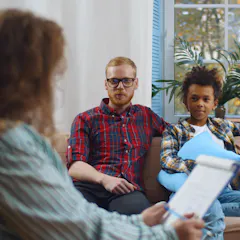
Attachment theory is often invoked in child protection investigations – in a simplified and overconfident manner.
Rather than policing or separating families, a new collaborative movement born in the US seeks to find better ways to support children, families and communities.
Children who arrive alone in the UK should be treated equally to other children.
The new report calls for funding and support for Aboriginal community controlled organisations. They are best placed to lead reform and to make decisions about the wellbeing of Aboriginal and Torres Strait Islander children.

Online child sexual abuse has been described as one of the most urgent and defining issues we face. Tackling it at the root is imperative.
Top contributors
-

Associate Supervisor in Child Abuse and Neglect, University of Huddersfield
-
Director, Arney Chong Consulting and Positive Futures Research, Adelaide University
-
Aboriginal Enterprise Fellow, Australian Centre for Child Protection, Adelaide University
-
Professor of Criminology, University of Technology Sydney
-
Senior Research Fellow, University of Technology Sydney
-
Research Assistant, Australian Centre for Child Protection, Adelaide University
-
Former Director, National Centre for Social Research
-
Senior Lecturer, Department of Social Work, Royal Holloway, University of London
-
Director, Kath McFarlane Consulting & Adjunct Associate Professor, The Kirby Institute, UNSW
-
Professor, Chair of Child Protection, Director, Australian Centre Child Protection, Adelaide University
-
Senior Honorary Research Fellow, The University of Western Australia
-
Associate Research Professor, Adelaide University
-
Professor & Director, Institute of Child Protection Studies, Australian Catholic University
-
Professor of Social Work, University of Birmingham
-
Associate Professor, School of Arts and Humanities, Edith Cowan University