

Tournament sponsors have a captive audience.
Articles on Sponsorship
Displaying 1 - 20 of 24 articles
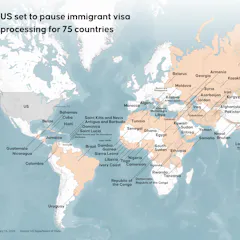
Family reunification is often framed as a cost, but evidence shows it functions as social infrastructure that supports work, well-being and economic stability.
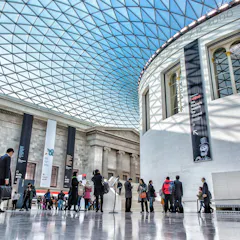
Many other UK cultural institutions have already ceased entering into agreements with such companies, given the immense damage tobacco products do to public health.
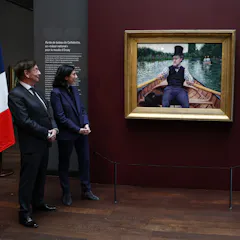
In 2023, the French luxury giant LVMH participated in the acquisition of an Impressionist painting by the Musée d’Orsay, a transaction combining patronage, public relations and tax optimisation.
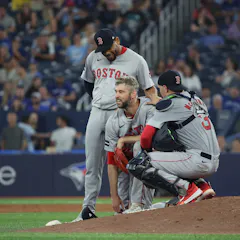
Talking about mental health can be difficult for anyone. It’s even harder for athletes, who are expected to exhibit mental toughness.
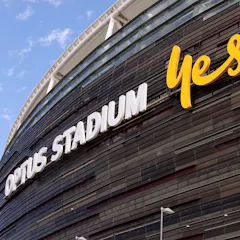
Stadium naming rights are controversial at the best of times, so why do companies pay so much for them?

The unique relationship between Nike and Hockey Canada makes the end of their decades-long sponsorship especially notable.
While positive change has been seen, especially surrounding this year’s Women’s World Cup, there is still much work to be done by organizations governing women’s professional sports.

Canada’s immigration system should accept our chosen families and unconventional forms of love, such as friends with deep bonds.

Sponsorship is key to holding some of the most popular events in the world.

The Tokyo 2020 Olympic Games won’t have in-person spectators. What does this mean for local sponsors?

The food industry’s tactics are designed to reduce the likelihood of the government adopting global recommendations to tackle obesity.
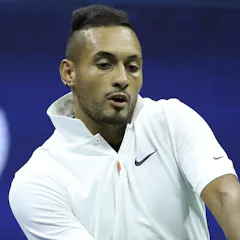
As Australian tennis player Nick Kyrgios begins his probationary period this week for a pattern of bad behaviour and foul language, his value to sponsors and the sport of tennis remains high.

Research has shown that betting advertisements can have a huge effect on young people, so why are gambling companies still allowed to sponsor sports?
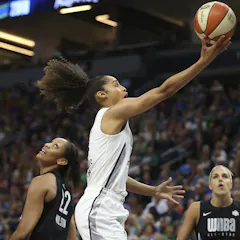
Like the WNBA, the NBA went through fits and starts in its early years. Yet despite drawing similar crowds in the 1960s, NBA players earned far bigger paychecks than today’s WNBA stars receive.

McDonald’s recently ended a 40-year relationship with the Olympics. Was the decision based on the tarnished Olympic brand or were there other reasons?

The cosy relationship between big sporting events and alcohol brands flexes too much muscle – and young people are suffering for it.
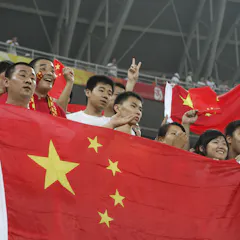
Multiple ownerships, mega-transfers and a foot in the door at FIFA. Beijing’s bid for football power is a challenge to world soccer.
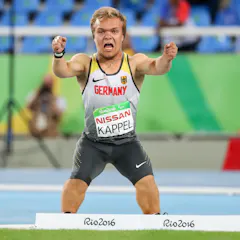
What’s holding disabled athletes back from getting more involved in fighting inequality?

As United and City go head-to-head in their first encounter of the football season, their rivalry reaches new levels on and off the pitch.
Top contributors
-

Professor of AfroEurasian Sport, EM Lyon Business School
-
Senior Research Fellow in Social Marketing and Health, University of Stirling
-
Associate Professor, RTA School of Media, Toronto Metropolitan University
-
Research Associate, Department for Health, University of Bath
-
Policy and Knowledge Exchange Lead, Department for Health, University of Bath
-
Postdoctoral Research Fellow, Department of Health, University of Bath
-
Associate Vice President for Entrepreneurship and Innovation, Clemson University
-
Professor of Educational Psychology & Higher Education, University of Nevada, Las Vegas
-
Emeritus Professor of Cultural Research, Institute for Culture and Society, Western Sydney University
-
Emeritus Professor of Marketing, University of Birmingham
-
Professor, University of Birmingham
-
PhD candidate, Centre for Comparative Literature, University of Toronto
-
Senior Lecturer in Sport and Leisure Management, Nottingham Trent University
-
Professor and Director, Center for Sports and Management, WHU – Otto Beisheim School of Management
-
Assistant Professor, Sport Management, Brock University