
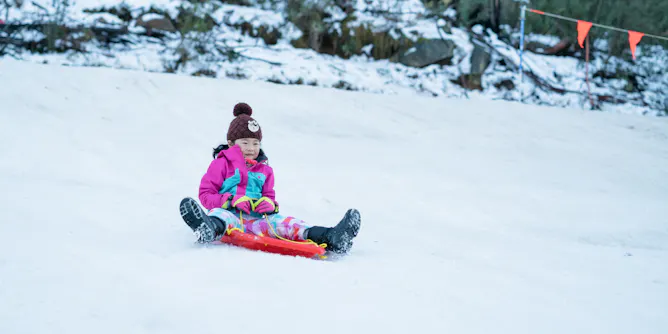
Three climate-related factors have loaded the dice for a drier and warmer winter this year.
Articles on Southern Annular Mode
Displaying all articles
Past El Niño events have brought drought and disruption to New Zealand. What might the coming one spell?
A run of damaging storms that has spoiled midsummer and caused floods and landslides isn’t bad luck, but a combination of local, regional and global drivers.
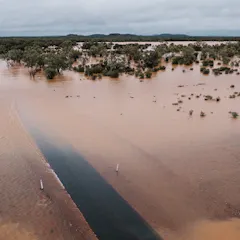
The worst flooding in 50 years has turned parts of western Queensland into an inland sea, stranding communities and livestock. It’s so vast, it’s set to completely fill Lake Eyre.
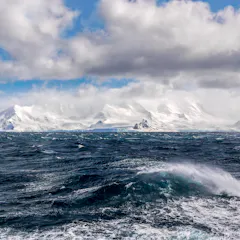
Howling winds take sea salt from the Southern Ocean and lay it down in Antarctica as snow, then ice. Hidden in these ice cores is a warning about Australian fire seasons.
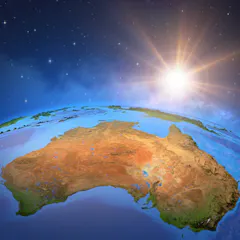
El Niño looms large as we head into the Australian summer. But can everyone expect hot and dry weather? What drives the weather in your state?
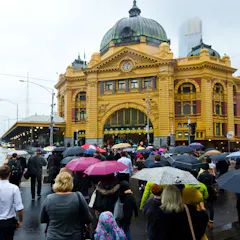
La Niña is officially here for the third year in a row. You probably associate it with flooding, but how might it affect future drought and bushfires? And could a fourth La Niña be possible?

By following moisture from the oceans to the land, researchers worked out exactly how three oceans conspire to deliver deluges of rain to eastern Australia.
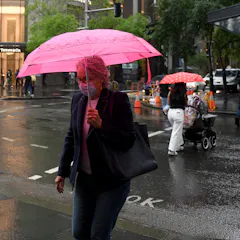
After one La Niña, the Pacific sometimes retains cool water which enables a second La Niña to form.
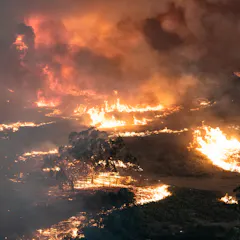
The latest bushfires cannot be compared to Ash Wednesday or Black Saturday. Our nation’s fire history is being rewritten.
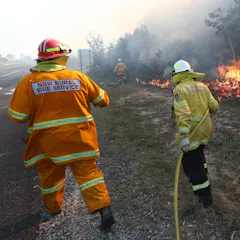
Bureau of Meteorology researchers painstakingly analysed more than 40 years of data to work out exactly what is causing Australia’s spring bushfire phenomenon.
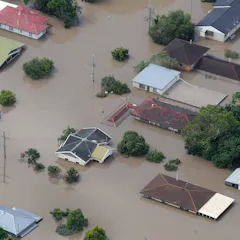
Since 1999, Australia has swung between drought and deluge with surprising speed, because El Niño has fallen into sync with similar patterns in the Indian and Southern Oceans.
Top contributors
-

Senior Research Associate, UNSW
-
University of Technology Sydney
-
Snr research fellow in environmental sciences, James Cook University
-
Adjunct Professor (Practice) in the School of Earth, Atmosphere and Environment, Monash University
-
Palaeoclimatologist, Australian Antarctic Program Partnership, University of Tasmania
-
Honorary Associate Professor of Climate Science, The University of Melbourne
-
Associate Professor, UNSW
-
Manager Research and Development, Country Fire Authority
-
Professor of Ocean and Climate Dynamics, University of Tasmania
-
Research associate in Climatology, University of Tasmania
-
Associate Professor – Hydroclimatology, University of Newcastle
-
Professor, Bushfire Science, Fenner School of Environment & Society, Australian National University
-
Postdoctoral Research Fellow in Atmospheric Sciences, The University of Melbourne
-
Professor, UNSW
-
Senior Research Scientist, Australian Bureau of Meteorology