

Three climate-related factors have loaded the dice for a drier and warmer winter this year.
Articles on Indian Ocean dipole
Displaying 1 - 20 of 27 articles

Too often, Australian authorities have relied on ad hoc preparations for the droughts and bushfires made more likely by El Niño.

What do the next few months hold, weather-wise? For clues, we can look to the oceans around Australia.
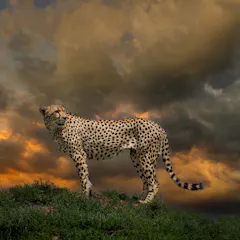
Over the past 112 years the Mara-Serengeti ecosystem has experienced major changes in its weather.
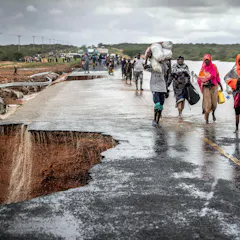
Projections show that there’ll be Indian Ocean dipoles in the future – and that means more rainy days, and more extreme rainfall.
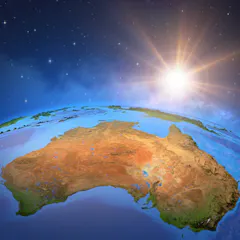
El Niño looms large as we head into the Australian summer. But can everyone expect hot and dry weather? What drives the weather in your state?

A heatwave across northern Australia comes as a shock to the system. The impacts of heat are worst in early summer when we’ve had less time to acclimatise, so it’s important to heed health warnings.
On Australia’s rainiest days, more than 30 trillion litres can fall from the skies.

La Niña is officially here for the third year in a row. You probably associate it with flooding, but how might it affect future drought and bushfires? And could a fourth La Niña be possible?

Will spring bring an end to the cold and the rain?

By following moisture from the oceans to the land, researchers worked out exactly how three oceans conspire to deliver deluges of rain to eastern Australia.
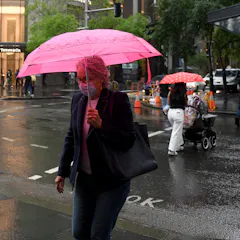
After one La Niña, the Pacific sometimes retains cool water which enables a second La Niña to form.
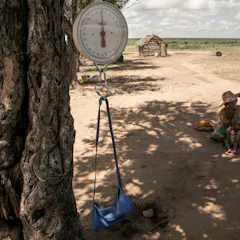
Out of the last six years in Madagascar, five years have had poor or very bad rainy seasons.

Last week the Bureau of Meteorology declared a negative Indian Ocean Dipole — a natural climate phenomenon set to bring wet weather. Let’s look at what you can expect, and the role of climate change.
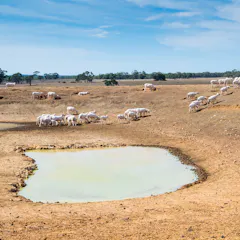
Future extremes from the Indian Ocean will be acting on top of global warming, giving a double whammy effect, like the record-breaking heat and drought we saw in 2019.
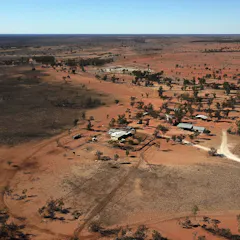
The absence of climate drivers – specifically, the Indian Ocean Dipole and La Niña – explains why Australia has gone so long without heavy rains.

Some parts of Australia have enjoyed excellent rainfall this year, but others have not. Drought relief is still slow and patchy.
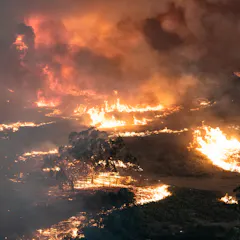
The latest bushfires cannot be compared to Ash Wednesday or Black Saturday. Our nation’s fire history is being rewritten.
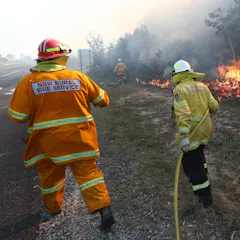
Bureau of Meteorology researchers painstakingly analysed more than 40 years of data to work out exactly what is causing Australia’s spring bushfire phenomenon.
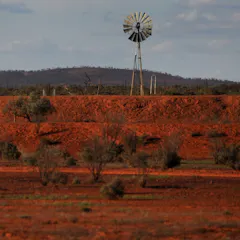
After the warmest month on record, it looks like Australia will have an El Niño event – which means the drought is likely to continue.
Top contributors
-

ARC Future Fellow and Associate Professor in Climate Science, ARC Centre of Excellence for 21st Century Weather, The University of Melbourne
-
Adjunct Professor (Practice) in the School of Earth, Atmosphere and Environment, Monash University
-
Senior Research Associate, UNSW
-
Climate Scientist, Australian Bureau of Meteorology
-
Senior Climatologist, Australian Bureau of Meteorology
-
Associate Professor, UNSW
-
Chief Research Scientist, Oceans and Atmosphere, CSIRO, CSIRO
-
Research Fellow, University of Sydney
-
Communication Manager - CSIRO Oceans and Atmosphere, CSIRO
-
University of Technology Sydney
-
Postdoctoral fellow, CSIRO
-
Professor of Tropical Ecology, University of York
-
Snr research fellow in environmental sciences, James Cook University
-
ARC DECRA Fellow, Climate Change Research Centre, UNSW
-
Senior climatologist, Australian Bureau of Meteorology, Australian Bureau of Meteorology