

A curriculum can’t be decolonised by simply removing content. This denies students the chance to participate in local policy debates and the global job market. A more nuanced approach is needed.
Articles on South African universities
Displaying 101 - 120 of 147 articles
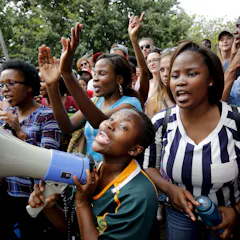
Coming to understand students’ individual stories allows lecturers to guide, mentor and support them.
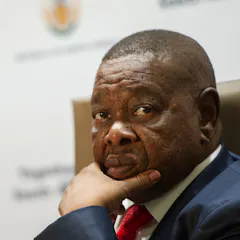
Higher education has done as well as could have been expected from the 2016 Budget, given South Africa’s current economic circumstances.

In future, universities will only survive if they can produce knowledge fast and innovate. This will require transformational leadership that gets everyone involved.
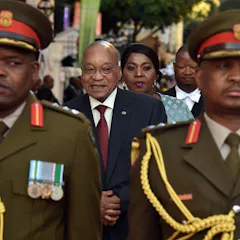
There was nothing in President Zuma’s speech to suggest that he’d really listened to people’s concerns about higher education - nor to suggest that any solutions will be forthcoming.
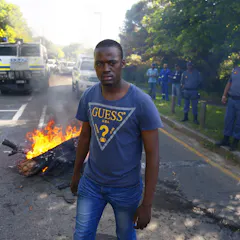
Social change has its own dynamic. This makes it an unpredictable, uncontrollable and unknowable force – one with often unintended consequences.
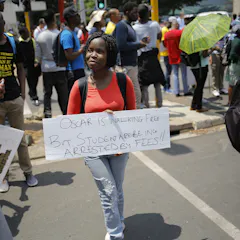
It shouldn’t be up to universities or the government alone to fund students who qualify for tertiary education but can’t afford it. A perpetual bond system could be the answer.
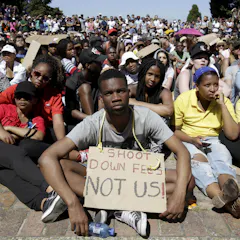
Many people dismiss the idea of free, quality public university education out of hand. But there are many ways to make it happen - and it all ties back to the idea of education as a public good.
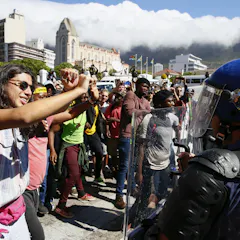
The way in which one group of South African student protesters has acted and engaged with university managers shows how valuable a feminist approach to protest can be.
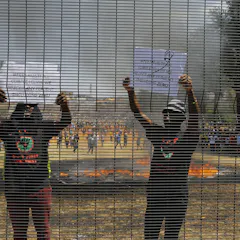
The student protests that rocked South Africa’s universities in 2015 are part of a class struggle as poor and marginalised people fight for their place in an unequal system.
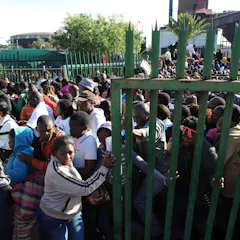
South Africa’s matric results and data from national benchmarking tests suggest that many school leavers aren’t ready for university. It’s also worth asking: are universities ready for them?
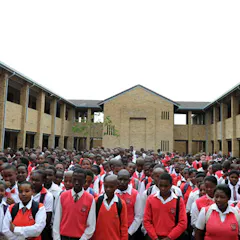
Their school careers are over – but what did South Africa’s matric class of 2015 actually learn, and how many of them are ready for what comes next?
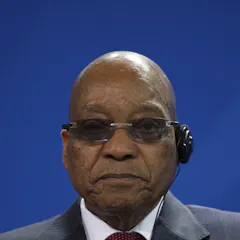
Academics from several South African universities say that in the current world economy decisions about any country’s finance minister cannot be made “lightly or capriciously”.

South Africa’s universities are in a state of upheaval. Academic developers must rethink their own purpose and how they work with academics in this environment to foster positive change.
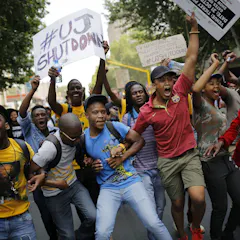
Student protests in South Africa saw triumph for the hashtag and success for the slogan. What lies beyond this as students push for genuine change in universities?

Teaching often comes second to research in universities. A group of award winning lecturers explains why teaching is the best part of their work.
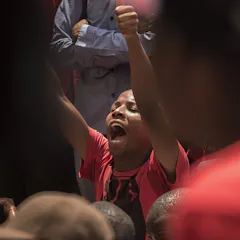
The students’ movement has stretched South Africans in personal, professional, powerful and provocative ways. Have academics been stretched enough to reflect deeply on the status quo at universities?
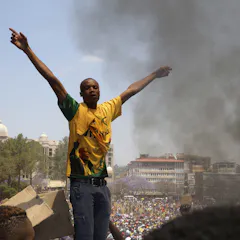
It’s time to change how student representatives are elected at South Africa’s universities. The existing process gives far too much space and power to political parties.

Universities in South Africa have tried to “grow their own timber” in a bid to diversify staff bodies. These programs haven’t been wildly successful. Why, and what can be done differently?
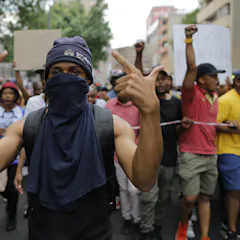
Universities were widely criticised for turning to the courts during a series of student protests in South Africa. So why did they do it, and did the interdict process work?
Top contributors
-

Professor, University of Cape Town
-
Professor of Higher Education, Rhodes University, South Africa, Rhodes University
-
Research Associate in Higher Education Policy and Planning, Ali Mazrui Centre for Higher Education Studies, University of Johannesburg
-
Senior Research Associate, University of Johannesburg
-
Professor of Political Studies, Rhodes University
-
Previous Vice President of the Academy of Science of South Africa and DSI-NRF SARChI chair in Fungal Genomics, Professor in Genetics, University of Pretoria, University of Pretoria
-
Academic Staff Development Lecturer, Centre for Higher Education Development, University of Cape Town
-
Professor/Senior Research Fellow, Centre for Advancement of Scholarship, University of Pretoria
-
Professor of Teaching and Learning, University of Johannesburg
-
Associate Professor of Higher Education Studies. Head of Department of the Centre for Higher Education, Research, Teaching and Learning, Rhodes University
-
Senior Researcher in Labour Studies and Education, University of Johannesburg
-
Associate Professor in Higher Education Studies, University of Cape Town
-
Researcher, Nelson Mandela University
-
Professor of Higher Education, University of KwaZulu-Natal
-
Head of Department, University of Johannesburg