
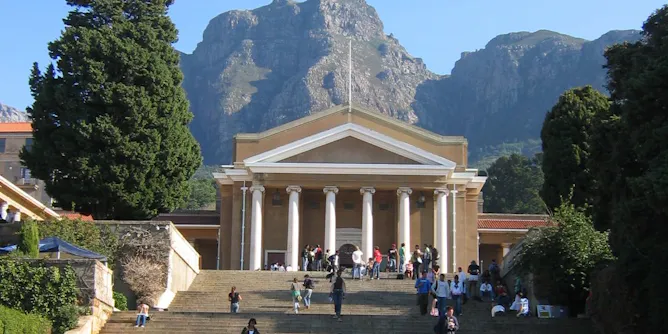
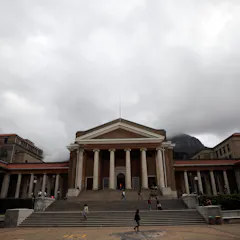
Sarah Baartman’s name can be elevated to the highest point of the University of Cape Town’s campus, but if her legacy isn’t built into each classroom and interaction the honour is hollow.
Articles on South African universities
Displaying 21 - 40 of 147 articles
Global university rankings are based on a snapshot of institutional performance. A gain by one institution is a loss by another.
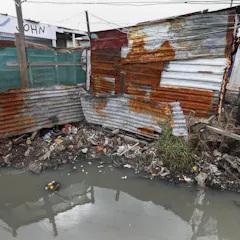
Despite a relatively slow start, South Africa can speed up its implementation of the SDGs.

Writing groups provide a space where the “rules of the game” of academia become clear.

Curriculum structure and flexibility can play a crucial role in students’ progression and success.

Formal, accessible academic advice systems can help university graduation rates.

Social class plays a huge role in people’s experiences of accessing and succeeding in higher education.
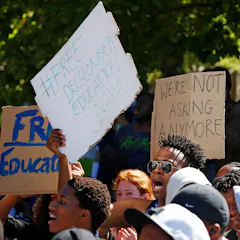
The ethical and political reasons to avoid free higher education are unambiguous.
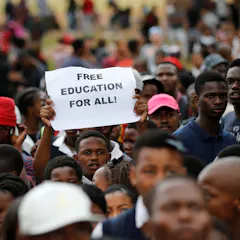
In many respects, President Jacob Zuma’s free higher education proposal in South Africa is the worst kind of populism.
Alternative scenarios for tertiary funding in South Africa are set out in a completely separate report from the Davis Tax Committee drawing from work done by the higher education department.
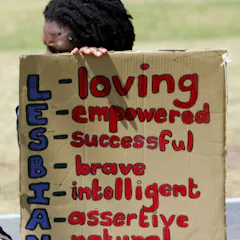
Family support, being valued in their own homes and enjoying strong support from their social structures helped instill lesbians in a conservative South African province with a strong sense of self.
If there’s a general sense that academic publication is about knowledge dissemination rather than meeting performance targets, academics and universities become less vulnerable to predatory journals.

South Africa must act to halt the decline and save its universities’ well deserved global reputation of excellence.
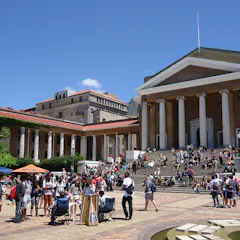
Students experience intense feelings of discomfort, confusion and even embarrassment at being classified as “different” and an “anomaly” alongside the norm of white academic success.
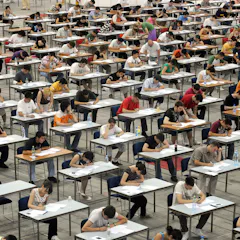
Assessment should be a part of teaching and learning at universities. It’s important because it will subvert exclusion and allow all students to take responsibility for their work.

More must be done to develop mechanisms based on intrinsic motivations of committed, quality academics. It’s important to limit the harms currently being caused by rent seeking.
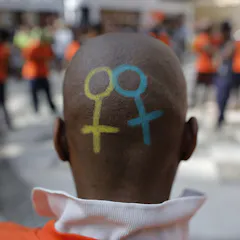
Many people use religion and culture as explanations for their homophobic attitudes.

Phrases like “knowledge production” conceal the fact that knowledge answers to something beyond itself and beyond us. To produce knowledge is to find out about something.
It takes a combination of formal and informal learning to equip academics to become better teachers. Universities need to encourage both approaches.
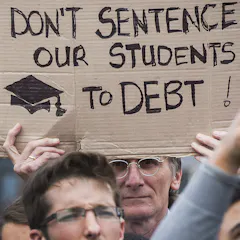
The ministerial task team’s report presents a jaundiced view of an important organisation that’s opened the doors of higher education to many who would otherwise have been closed out.
Top contributors
-

Professor, University of Cape Town
-
Professor of Higher Education, Rhodes University, South Africa, Rhodes University
-
Research Associate in Higher Education Policy and Planning, Ali Mazrui Centre for Higher Education Studies, University of Johannesburg
-
Senior Research Associate, University of Johannesburg
-
Professor of Political Studies, Rhodes University
-
Previous Vice President of the Academy of Science of South Africa and DSI-NRF SARChI chair in Fungal Genomics, Professor in Genetics, University of Pretoria, University of Pretoria
-
Academic Staff Development Lecturer, Centre for Higher Education Development, University of Cape Town
-
Professor/Senior Research Fellow, Centre for Advancement of Scholarship, University of Pretoria
-
Professor of Teaching and Learning, University of Johannesburg
-
Associate Professor of Higher Education Studies. Head of Department of the Centre for Higher Education, Research, Teaching and Learning, Rhodes University
-
Senior Researcher in Labour Studies and Education, University of Johannesburg
-
Associate Professor in Higher Education Studies, University of Cape Town
-
Researcher, Nelson Mandela University
-
Professor of Higher Education, University of KwaZulu-Natal
-
Head of Department, University of Johannesburg