
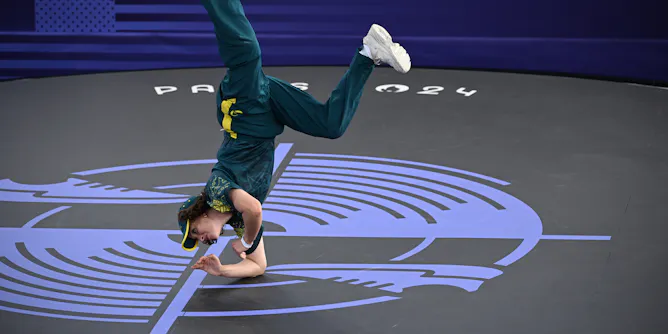
Social media algorithms, anonymity and viral culture combine to amplify online abuse. To combat trolling, everyone must work together.
Articles on Social media and society
Displaying 1 - 20 of 84 articles

Within seconds, an app can turn anyone’s photo into an explicit image. The law is catching up to make this a criminal offence, but we need to do more.
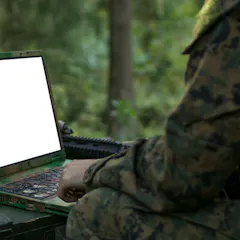
A scholar of militia activity observes extremists stepping back into the public sphere after a few years of being less visible.

Social media is giving a new lifeline to Bhutan’s native languages, which do not have written script and lack proper documentation.
Group chats can be places of joy, solidarity and refuge. But they can also be a huge time-suck, and create feelings of anxiety and worry.

The content on social media platforms doesn’t always portray the locations accurately, setting unrealistic expectations and even luring tourists into trouble.

Accurate and fair information is critical in times of conflict such as the ongoing Israel-Gaza War. What is the role of digital activism in this context, and how does it shape real-world events?
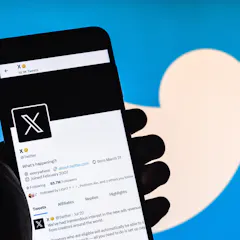
The platform formerly known as Twitter faces a A$610,500 penalty from the eSafety Commissioner.

Virtual influencers have relationships, explore the world and take risks. The web is their playground – but they don’t exist.

The move could jeopardise users’ safety and might even get the platform banned from the Google and Apple app stores.
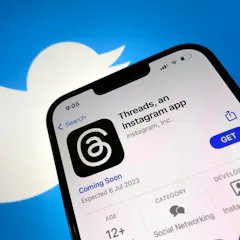
In the battle for Twitter’s followers, this may be the end game.
End-of-life storytelling is the process of telling stories and documenting death and dying – and many people find it confronting on a medium like TikTok.
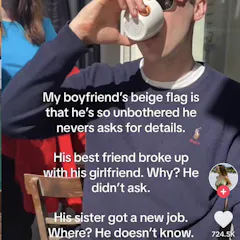
The TikTok beige flag refers to the odd quirks your partner may have – which bother you, but you are also willing to accept – and you probably have one yourself.

It’s a surprisingly difficult question to answer – which makes sense when you consider what this long-term research would involve.
Social media algorithms can use millions of different parameters to decide what kind of content is shown to users.

Social media child influencers are increasingly marketing products normally targeted at adults, such as beauty and skincare items.

Paid blue tick status could make it harder to tell if information is coming from a legitimate source.

Pranking your intimate partner to gain clout online is not as innocent as it might seem.

With the proliferation of social media platforms, smart devices and apps, the demands on our attention have never been greater. But how is this affecting our ability to process and retain information?
My research reiterates the roles of TikTok in fostering hate speech in elections
Top contributors
-

Research Fellow in Digital Childhoods, Deakin University
-
Chair of Cognitive Psychology, University of Bristol
-
Science + Technology Editor, The Conversation
-
Associate Science Editor & Co-Host of The Conversation Weekly Podcast, The Conversation
-
Associate Professor of Digital Communication, RMIT University
-
Adjunct Senior Fellow, School of Psychology, The University of Queensland
-
Professor of Social Psychology in Society, University of Cambridge
-
Ontario Research Chair of Digital Governance for Social Justice, York University, Canada
-
Lecturer in Psychology, University of Cambridge
-
Professor of Information Systems, Michigan State University
-
Lecturer in Marketing, Griffith University
-
Leverhulme Trust Early Career Research Fellow, Lancaster University
-
Professor of Information Sciences & Director, Social Change Enabling Impact Platform, RMIT University
-
Senior Research Associate, Department of Sociology and Deputy Director of the Reproductive Sociology Research Group, University of Cambridge
-
Professor in Information Systems, The University of Queensland