
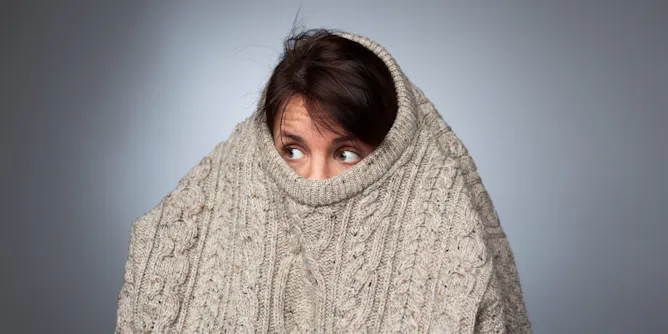
The study found people bounce back from their mental sluggishness soon after emerging from isolation.
Articles on Social isolation
Displaying 41 - 60 of 111 articles

As the COVID-19 pandemic, restrictions and quarantines continues into their second year, more people are experiencing an acute form of COVID-boredom.
Older adults – despite their awareness of increased risk of COVID-19 – are not reporting more feelings of anxiety, anger or stress than younger age groups.
People who hear voices are six times more likely to feel lonely.
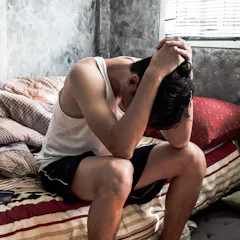
Traumatic experiences (usually of shame or defeat) lead many people across the globe to cut themselves off from social contact and withdraw from society.

Social relationships are generally good for mental health, but too much social activity can backfire, leading to fatigue and feelings of guilt when there isn’t enough time to nurture relationships.
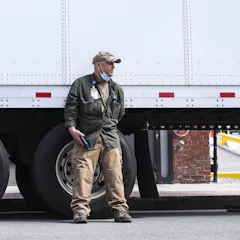
It’s draining and depressing to stay on high alert month after month after month. Understanding pandemic fatigue better might help you strengthen your resolve.
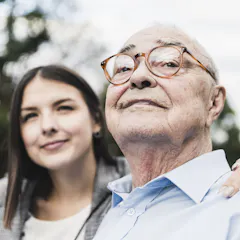
New statistics show that people with dementia have been particularly vulnerable during the pandemic.

Cut yourself some slack. For most people, the pandemic has been a unique challenge.
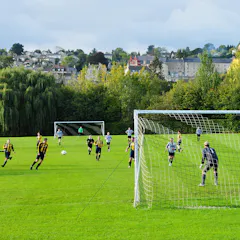
A sense of purpose and a social bond on the pitch.

Ironically, to encourage people to download the COVID Alert app, we need viral processes as we attempt to contain an actual virus. And that’s a challenge when we’re socially isolated.
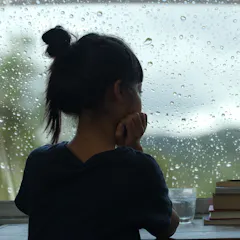
Some children are not socially engaging with their peers in the way they did before the pandemic. It’s understandable if parents are worried.

The coronavirus restricted life in the city and enabled working from home (or anywhere). People are considering moving to the countryside for cheaper cost of living and a higher quality of life.
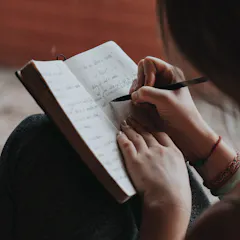
Dear Diary, keeping a daily journal of these pandemic times can help us process them and follow in some great literary footsteps.
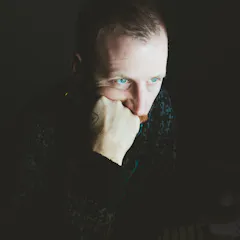
The ancient term ‘acedia’ describes the paradoxical combination of jangling nerves and vague lack of purpose many of us are feeling now. Reviving the label might help.
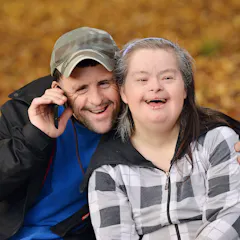
Even before the pandemic, disabled people reported feeling socially isolated and lonely. Their plight has only been exacerbated by responses to the COVID-19 pandemic.
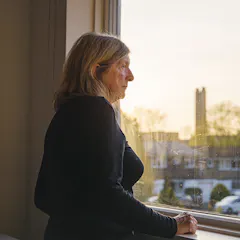
The social isolation older adults are experiencing as they try to stay safe from the coronavirus pandemic is raising new mental health risks, but people can take steps to protect themselves.
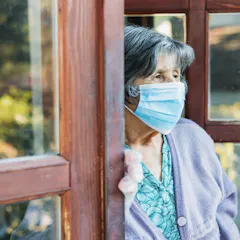
Social distancing is leaving older Americans more isolated and opening them up to serious health risks.
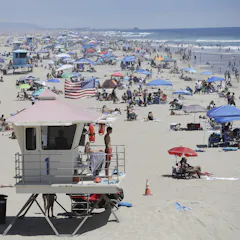
After months of isolation, beaches could see a rising number of rescues and drownings.
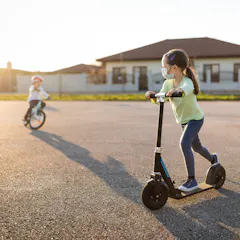
In some parts of the US, a silver lining of COVID-19 may be a return to childhood friendships based in neighborhoods.
Top contributors
-

Associate Professor, Sydney School of Public Health, University of Sydney
-
Associate Professor of Medicine and Geriatrics, University of Virginia
-
Professor of Psychology, The University of Melbourne
-
Assistant Professor in Health Sciences, Simon Fraser University
-
Regents and Distinguished Professor of Environmental and Occupational Health, Texas A&M University
-
PhD Student, New York University
-
Senior Lecturer in Architectural HIstory and Theory, UNSW & Honorary Research Fellow, Australian Centre for Architectural History, Urban and Cultural Heritage (ACAHUCH), UNSW
-
Assistant Professor of Communication, University of Pennsylvania
-
Cornelia H. Dudley Professor of Psychology, Knox College
-
Senior teaching fellow, University of Surrey
-
Associate Professor, Associate Head of School (Research), co-leader of the research network HOME, Deakin University
-
Professor, Director Australian Urban Observatory, Centre for Urban Research, RMIT University
-
NSF Graduate Research Fellow, Penn State
-
Associate Professor in Physical Activity & Health, Durham University
-
Associate Professor of Philanthropic Studies, Indiana University