

Heatwave deaths this summer make it clear: climate change is a severe public health threat, and those who live alone are at greatest risk.
Articles on Social isolation
Displaying 101 - 111 of 111 articles
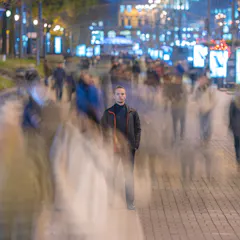
Recent news reports suggest that the US is experiencing a loneliness epidemic. But the research is a bit more complicated.
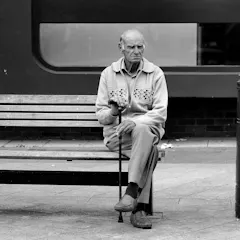
Older people are less lonely than we think, but more importantly loneliness is something they face all year round – not just at Christmas.

When people feel discriminated against because of their religion, they can feel threatened, triggering feelings of social isolation that can perhaps increase prejudice toward others.

Low-density suburbs can cause social isolation that’s harmful for individual and community well-being. But research confirms we can plan neighbourhood centres so they become vibrant social hubs.

Poverty, insecurity and social isolation have a major impact on public health.

Even though Facebook claims to be a global community, its rise has come at the expense of online subcultures for marginalized people, from body modification enthusiasts to drag queens.
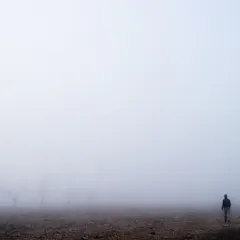
When human contact is cut off, the brain begins to act in strange ways to preserve its sanity.

Having already had depression or anxiety increases the risk of developing persistent pain, and developing a chronically painful condition dramatically increases chances of becoming depressed.

It’s not all isolation and cyber-bullying: technology offers access to communication and therapies that could help sufferers of mental illness.
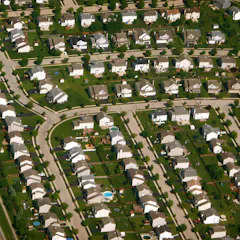
Social isolation and loneliness are becoming common in our large cities. Our cities are sprawling, housing is becoming more unaffordable, people are travelling further and longer in their cars and household…
Top contributors
-

Associate Professor, Sydney School of Public Health, University of Sydney
-
Associate Professor of Medicine and Geriatrics, University of Virginia
-
Professor of Psychology, The University of Melbourne
-
Assistant Professor in Health Sciences, Simon Fraser University
-
Regents and Distinguished Professor of Environmental and Occupational Health, Texas A&M University
-
PhD Student, New York University
-
Senior Lecturer in Architectural HIstory and Theory, UNSW & Honorary Research Fellow, Australian Centre for Architectural History, Urban and Cultural Heritage (ACAHUCH), UNSW
-
Assistant Professor of Communication, University of Pennsylvania
-
Cornelia H. Dudley Professor of Psychology, Knox College
-
Senior teaching fellow, University of Surrey
-
Associate Professor, Associate Head of School (Research), co-leader of the research network HOME, Deakin University
-
Professor, Director Australian Urban Observatory, Centre for Urban Research, RMIT University
-
NSF Graduate Research Fellow, Penn State
-
Associate Professor in Physical Activity & Health, Durham University
-
Associate Professor of Philanthropic Studies, Indiana University