
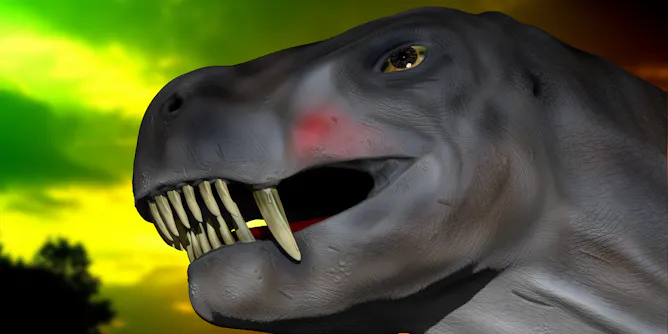
CT scanning allows scientists to observe and “dissect” fossils digitally using computer software - and to uncover secrets that are hundreds of millions of years old.
Articles on Snakes
Displaying 81 - 100 of 104 articles
Australia’s snakes, spiders and other venomous critters tend to strike fear in many people. But is Australia’s reputation as a nation of deadly creatures deserved?
One way to tackle the snakebite antivenom crisis may be through biotechnological innovation to make antivenoms more cost-effective, easier to produce, and more efficacious against snakebites.
TV audiences cheered on the iguanas’ escape, but won’t somebody think of the poor snakes?

We should be worried about the adder – but not because it’s dangerous.

Metallic starlings – not the kind that live in your roof – breed in huge colonies that draw thousands of animals.
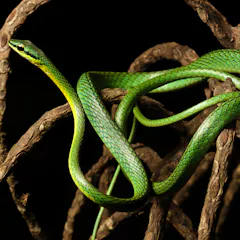
Scientists have uncovered the genetics that explain the snake’s impressive length – and used the science to create extra-long mice.
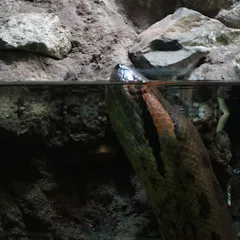
One of the enduring controversies in evolution is why snakes evolved their long, limbless bodies. A new study suggests snakes may have lost their legs at sea, before crawling ashore.
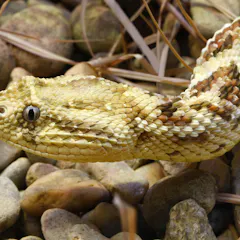
Puff adders have developed impressive techniques to avoid being detected by predators.
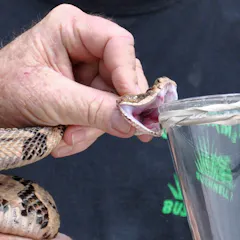
Many venoms contain bioactive components that are so stable to the body’s enzymes and selective of their biological target that they’re increasingly being used as novel research tools.

Australian snakes are the best mouse killers in the whole world. And while that’s clearly bad news for mice, how does it translate into human risk?

There’s a simple reason why Australia isn’t the most lethal nation in the world.
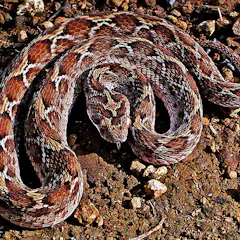
News that a leading manufacturer will cease making a well-known antivenom is not actually new.
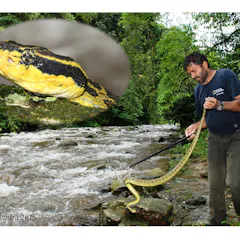
Each year, 45,000 people die from snakebite in India. A big international project has now set out to reduce this by hunting down and documenting dangerously venomous snakes.
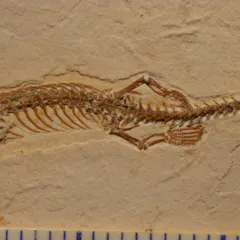
A new study of the first ever snake fossil with legs suggests that snakes evolved on land rather than in the ocean, as previously thought.
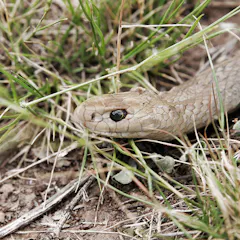
In October 2014, a 41-year-old man in the goldfields region of Western Australia collapsed and died within an hour of being bitten by the brown snake he was trying to capture. While such deaths are infrequent…
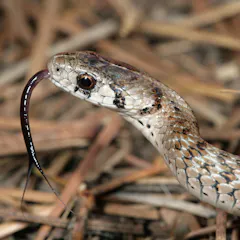
Many people think a snake’s forked tongue is creepy. Every so often, the snake waves it around rapidly, then retracts it. Theories explaining the forked tongues of snakes have been around for thousands…
With the announcement of an inquiry into the murder of Alexander Litvinenko, talk of poisons is back in the news. There are many articles with lists of the most poisonous substances, which are often gathered…
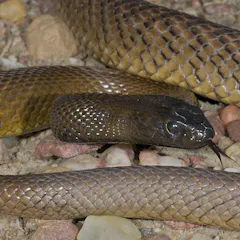
Australia is world famous for its venomous critters, including its many highly venomous snakes. The snake that holds the popular title of “world’s most venomous” is the inland taipan (Oxyuranus microlepidotus…
The West African Gaboon viper’s pattern of cream, yellow, brown and black scales helps it blend in with leaves, but a new…
Top contributors
-

Research Fellow and Co-head, Australian Venom Research Unit, The University of Melbourne
-
Professor of Zoology, Bangor University
-
Professor & Head of Section at the Department of Biotechnology and Biomedicine, Technical University of Denmark
-
Professor of Herpetology, Environmental Physiology and Physiology, Ecology and Evolution, University of the Witwatersrand
-
Postdoctoral Research Fellow in Wildlife Ecotoxicology, CSIRO
-
Associate Researcher, The University of Queensland
-
Research Associate in Evolutionary Biology, Adelaide University
-
Principal Lecturer in Wildlife Conservation, Nottingham Trent University
-
Postdoctoral Research Fellow in behavioural ecology and evolution, Macquarie University
-
Senior Lecturer in Ecology and Evolutionary Genetics, Bangor University
-
Honorary Research Fellow, Macquarie University
-
Postdoctoral Research Fellow in Animal Biotelemetry, Bournemouth University
-
Senior Lecturer, Biodiversity and Conservation Biology, University of the Western Cape
-
Director, Clinical Toxicology Research Group, University of Newcastle
-
Post Doctoral Researcher, Technical University of Denmark