
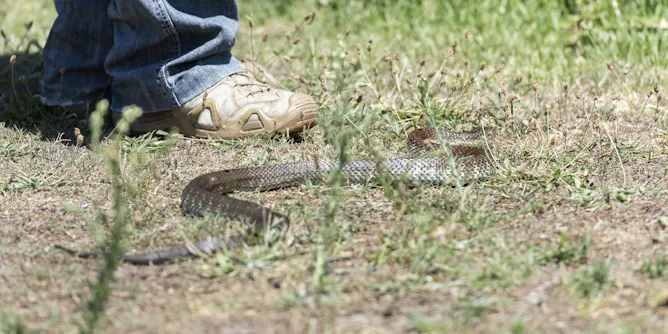
First aid guidelines for snake bite include staying still. But that can be tough if you’re in a rural or remote location.
Articles on Snake bites
Displaying all articles
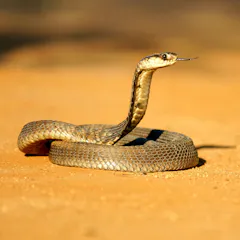
Africa’s most dangerous snakes not only kill their victims, they can also destroy skin, muscle, and even bone. New drugs could limit these wounds.
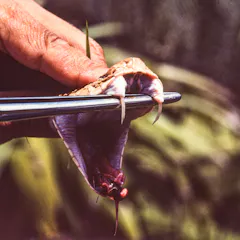
By reporting this new way that future antivenoms can fail, the research has highlighted a problem with current antivenom testing recommendations.
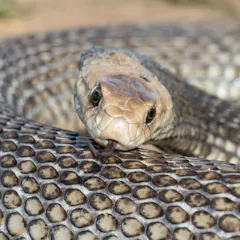
The benefits of snake populations on agricultural land far outweigh the potential costs, and farmers should tolerate rather than kill them.
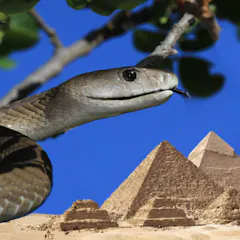
Ancient texts are still teaching us new things about the prevalence of wildlife.

Employing children as waste pickers lowers costs but exposes them to hazards.

Indian-made antivenoms, common throughout Africa because they are affordable, showed little-to-no neutralisation of the African Echis venoms.
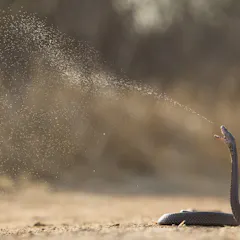
The best cure against a snakebite is to avoid being bitten at all. Here is what you need to know about snakebites, antivenom, and what you need to do if bitten.
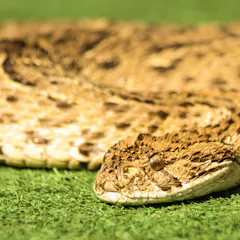
New research shows that puff adders use two luring techniques to attract prey within striking range.
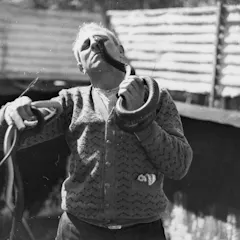
Snake bite treatments have changed remarkably over the past 200 years. But most, if not all, made sense in their historical context.

Australian snakes are the best mouse killers in the whole world. And while that’s clearly bad news for mice, how does it translate into human risk?
Top contributors
-

Professor & Head of Section at the Department of Biotechnology and Biomedicine, Technical University of Denmark
-
Post-Doctoral Fellow School of Animal, Plant and Environmental Sciences, University of the Witwatersrand
-
Pharmacist, PhD, at the Danish Poisons Information Center (GIFTLINJEN), Department of Anaesthesiology, Copenhagen University Hospital
-
Research Associate, The University of Queensland
-
Professor of Herpetology, Environmental Physiology and Physiology, Ecology and Evolution, University of the Witwatersrand
-
Research Affiliate, Discipline of History, University of Sydney
-
Researcher at Instituto Clodomiro Picado, Universidad de Costa Rica
-
Senior Lecturer in Zoology, Bangor University
-
Emeritus Professor, Instituto Clodomiro Picado, Universidad de Costa Rica
-
Professor of Zoology, Bangor University
-
Lecturer, Department of Urban and Regional Planning, Olabisi Onabanjo University, Ago-Iwoye, Ogun State, Nigeria, Olabisi Onabanjo University
-
Professor in Evolutionary Biology, Macquarie University
-
Postdoctoral researcher, Department of Biotechnology and Biomedicine, Center for Antibody Technologies, Technical University of Denmark
-
Director of Centre for Snakebite Research & Interventions, Liverpool School of Tropical Medicine
-
Lecturer in Pharmacology, Lancaster University