

UV ratings indicate risk of skin damage – but they’re based on pale skin. New wrist bands designed for six different tones of skin provide a more personalised way to track safe UV exposure.
Articles on Skin cancer
Displaying 61 - 80 of 116 articles

Scientists have long thought that regions of DNA called telomeres control how long you live. We are now learning that it is your diet and lifestyle that shape your telomeres, not the other way around.

England’s out of the World Cup, but the UK can at least enjoy the weather… can’t it?

Scientists have discovered a natural sunscreen – made by microbes – that may be better for humans and the marine critters they are hoping to see.
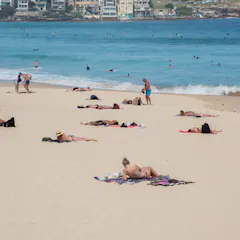
Most Aussies think we have such high rates of skin cancer due to an ‘ozone hole’. But that’s not the case. Here’s why we have nearly a million cases of skin cancer per year.
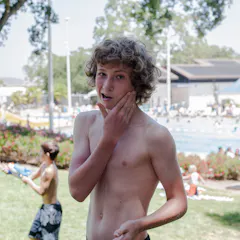
Whenever summer rolls around, it’s easy to forget the basics of sunscreen. How long should I wait after applying it to go in the sun, and how long can I stay in the sun with it on?
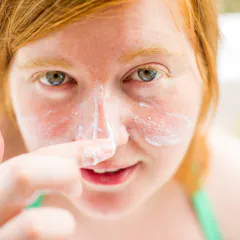
A US study into whether a new drug can give us a tan without going into the sun generated headlines around the world. Here’s what the study really says.

Tanzania has one of the highest rates of albinism in the world. The media in the country has an important role to play in protecting them from harm.

Energy from the sun’s rays can cause skin damage and cancers. Sunscreens can absorb or reflect the dangerous UV light. Here’s how it works.

Melanoma, the deadliest form of skin cancer, can usually be cured when caught early. When it has spread, however, it becomes a challenge. Recent findings are bringing hope. Here are a few examples.

The value of machine learning is not only that it is more accurate than humans. It is also cheaper and more consistent in its diagnoses.

Melanotan helps to accelerate the production of melanin, the pigment that absorbs ultraviolet radiation and gives skin its colour.
Currently, seven cancer types are listed in the top 20 causes of death in Australia. These are cancers of the lung, blood and lymph, bowel, prostate, breast, pancreas, skin and some childhood cancers.
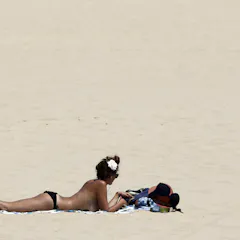
Skin cancer – which is preventable – costs the South African health system more than is necessary.
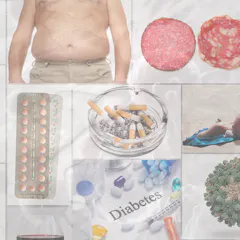
This body map brings together evidence on proven cancer causes. Using credible, scientific sources it answers questions about whether alcohol, red meat or sun exposure increase your cancer risk.

Rule number one: wear sunscreen.

The risks of UV radiation exposure are well-known, but some scientists are exploring lesser-known benefits of UV light.
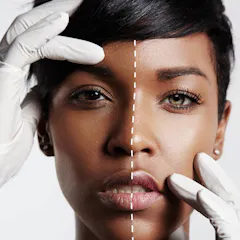
Unregulated over-the-counter skin lighteners can have detrimental effects on the men and women who use them. So why are governments in Africa not taking steps to ban these products?

Alongside the day’s high and low, weather reports generally contain a UV alert for a particular time. But what does it actually mean – and what should you do about it?
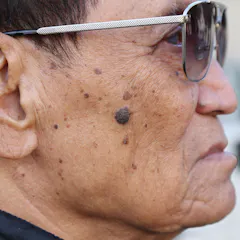
Australia has one of the highest rates of skin cancer in the world. Two-thirds of Australians will be diagnosed with skin cancer by the age 70.
Top contributors
-

Postdoctoral Researcher, Dermatology Research Centre, The University of Queensland
-
Adjunct Professsor, School of Psychology, Faculty of Health and Medical Sciences, Adelaide University
-
Adjunct Professor, School of Psychology, Curtin University and College of Health and Medicine, Australian National University
-
Professor of Dermatology, The University of Queensland
-
Professor, Department of Biomedical and Life Sciences, Lancaster University
-
Professor of Dermatology, The University of Melbourne
-
Professor in Behavioural Science, The University of Queensland
-
Senior Lecturer Princess Alexandra Hospital Southside Clinical Unit and Casual Research Assistant, The University of Queensland
-
Chief Specialist Scientist (Public Health), South African Medical Research Council
-
Professor of Biomedical Sciences, Anglia Ruskin University
-
Research Manager, The University of Queensland
-
Assistant Professor of Internal Medicine (Division of Dermatology), The University of Texas at Austin
-
Senior Research Officer, Blood Cells and Blood Cancer, WEHI (Walter and Eliza Hall Institute of Medical Research)
-
Professor and Senior Group Leader, QIMR Berghofer
-
Director Radiation Research and Advice, Australian Radiation Protection and Nuclear Safety Agency (ARPANSA), and Adjunct Associate Professor, University of Wollongong