
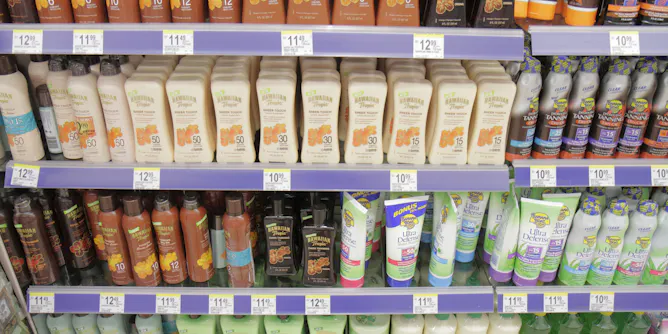
Rising concern about possible environmental damage from the active ingredients in sunscreens could have ripple effects on public health if it causes people to use less of them.
Articles on Skin cancer
Displaying 41 - 60 of 116 articles

While sunscreen has the potential to reduce skin cancer for light-skinned people, it has never been shown to do the same for Black people. Yet that distinction is lacking in public health messaging.

Newly reported study findings suggest a link between eating more fish and dangerous skin cancers. But the findings are based on observations only and more research is needed.
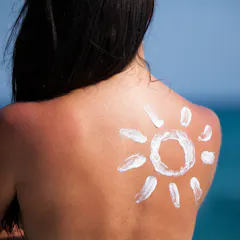
The most common types of skin cancer are basal cell and squamous cell carcinomas. Here’s what to expect if you have one.
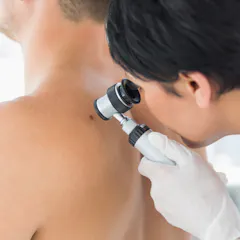
Two in three Australians will have a skin cancer in their lifetime, nearly all of them basal cell carcinomas, squamous cell carcinomas, or melanomas.
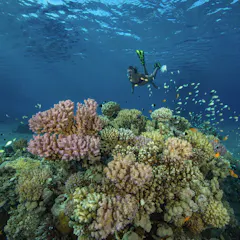
Researchers have long suspected that an ingredient in sunscreen called oxybenzone was harming corals, but no one knew how. A new study shows how corals turn oxybenzone into a sunlight-activated toxin.
If you’ve had a skin cancer check lately, you might have been told to consider adding a daily vitamin B3 pill to your skin safety regime.
The UV index measures how much UV radiation is around and how much damage it’s likely to do to your skin.
Even if you live in the UK, you’re still at risk of skin cancer. Here’s how to stay safe .
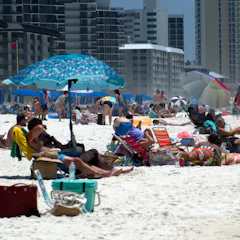
UV radiation can reflect off surfaces like sand or concrete, meaning shade doesn’t always prevent sunburn.
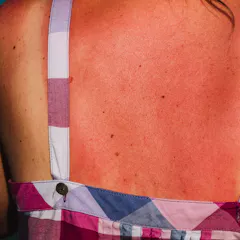
Home remedies like aloe vera and moisturiser might help you “feel” better. But they won’t fix the skin damage in the way antibiotics fix an infection.
Sunscreens’ change in branding from health essential to beauty product could help us slop on more cream - but it also creates more ‘beauty work’ for women.
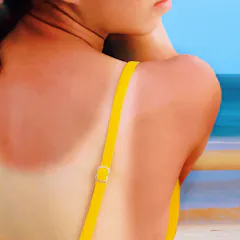
Do you know people who cling to myths about sunscreen? Here’s the evidence to convince them they’re wrong.
Spray, pump or roll-on? Matte, fragrance-free, oil-free? No wonder we’re confused when it comes to buying sunscreen.

It seems genes have a greater influence than previously thought not only on the number of moles you have but also where they are on your body.

The sun emits harmful rays 365 days a year, even when cloudy or rainy. Children must be protected or they may develop cataracts at an earlier age and run the risk of skin cancer of the eyelids.

While sunscreen has the potential to reduce skin cancer for light-skinned people, it has never been shown to do the same for Black people.
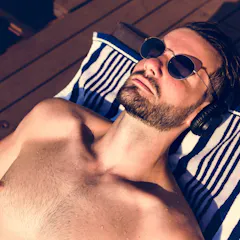
You need far less sun than you think you do.
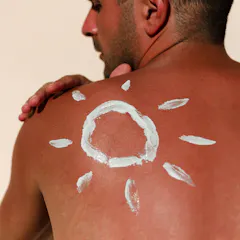
Exposure to the sun every other day produces more skin pigment than sunbathing every day – but protection is still vital.
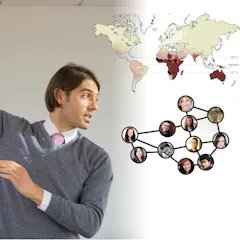
An international team of researchers is probing the links between skin diseases, including cancer, to speed the search for cures.
Top contributors
-

Postdoctoral Researcher, Dermatology Research Centre, The University of Queensland
-
Adjunct Professsor, School of Psychology, Faculty of Health and Medical Sciences, Adelaide University
-
Adjunct Professor, School of Psychology, Curtin University and College of Health and Medicine, Australian National University
-
Professor of Dermatology, The University of Queensland
-
Professor, Department of Biomedical and Life Sciences, Lancaster University
-
Professor of Dermatology, The University of Melbourne
-
Professor in Behavioural Science, The University of Queensland
-
Senior Lecturer Princess Alexandra Hospital Southside Clinical Unit and Casual Research Assistant, The University of Queensland
-
Chief Specialist Scientist (Public Health), South African Medical Research Council
-
Professor of Biomedical Sciences, Anglia Ruskin University
-
Research Manager, The University of Queensland
-
Assistant Professor of Internal Medicine (Division of Dermatology), The University of Texas at Austin
-
Senior Research Officer, Blood Cells and Blood Cancer, WEHI (Walter and Eliza Hall Institute of Medical Research)
-
Professor and Senior Group Leader, QIMR Berghofer
-
Director Radiation Research and Advice, Australian Radiation Protection and Nuclear Safety Agency (ARPANSA), and Adjunct Associate Professor, University of Wollongong