

Gels and acrylics might be fashionable but they could also hide the signs of potential existing health issues – and cause a few of their own.
Articles on Skin cancer
Displaying 21 - 40 of 116 articles

Basal cell carcinoma is the most common form of skin cancer.
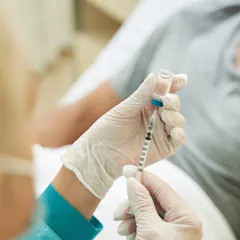
Could mRNA vaccines be the next big thing for melanoma?
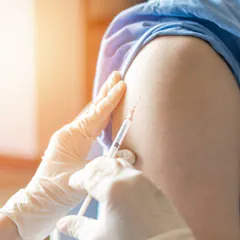
Melanoma is the deadliest form of skin cancer.

Excessive exposure causes skin cancer, but sun exposure also has benefits. How do you balance the two?
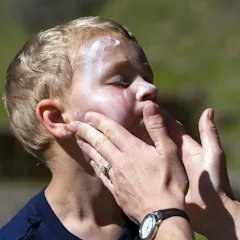
Being severely sunburnt as a child more than doubles the chance of developing future skin cancer but less than half of primary schools questioned in new research have a sun safety policy.

Collarium sunbeds are promoted as a means to tan quickly, and reduce the effects of aging on the skin. Two experts explain what to make of their claims.
A cancer that spreads is much more dangerous. Here’s why – and how it happens.

Malignant melanoma affects 325,000 people worldwide each year.

A tattoo can be a large investment in time, money and pain. Here’s how to look after yours this summer.

Early products focused on tanning. Others roasted you like a chicken. Which of these claims can you remember?

Sunburn can cause cancer, heat stroke and changes to the immune system. Choosing the right sun protection, even for darker skin, is more complicated than it looks.
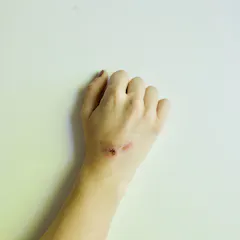
Non-melanoma skin cancers have often been viewed as fairly benign. A new study undermines that view.
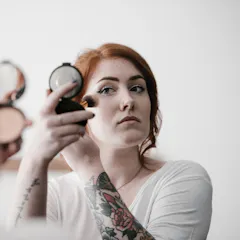
Does SPF in makeup and moisturisers provide effective sun protection?

Widespread screening for skin cancer may not be necessary, but it is important to understand the risks behind UV overexposure and to get checked early if you have concerns.

Scientists used Lego to build a bioprinter capable of printing human tissue samples.

People with deeply-pigmented skin can also get skin cancer. But there is no evidence to suggest that this occurs because of sunburn or exposure to the sun.

Preventive and therapeutic vaccines both train the immune system to fight disease, but they are used in different ways.

Sunscreen is one of the most important ways to protect yourself from skin cancer – but to be reliable, it has to be tested on brave volunteers.

One enzyme plays a key role in how tumor cells replicate and divide indefinitely. Identifying the genes that give these cells their immortality could provide new drug targets to treat cancer.
Top contributors
-

Postdoctoral Researcher, Dermatology Research Centre, The University of Queensland
-
Adjunct Professsor, School of Psychology, Faculty of Health and Medical Sciences, Adelaide University
-
Adjunct Professor, School of Psychology, Curtin University and College of Health and Medicine, Australian National University
-
Professor of Dermatology, The University of Queensland
-
Professor, Department of Biomedical and Life Sciences, Lancaster University
-
Professor of Dermatology, The University of Melbourne
-
Professor in Behavioural Science, The University of Queensland
-
Senior Lecturer Princess Alexandra Hospital Southside Clinical Unit and Casual Research Assistant, The University of Queensland
-
Chief Specialist Scientist (Public Health), South African Medical Research Council
-
Professor of Biomedical Sciences, Anglia Ruskin University
-
Research Manager, The University of Queensland
-
Assistant Professor of Internal Medicine (Division of Dermatology), The University of Texas at Austin
-
Senior Research Officer, Blood Cells and Blood Cancer, WEHI (Walter and Eliza Hall Institute of Medical Research)
-
Professor and Senior Group Leader, QIMR Berghofer
-
Director Radiation Research and Advice, Australian Radiation Protection and Nuclear Safety Agency (ARPANSA), and Adjunct Associate Professor, University of Wollongong