
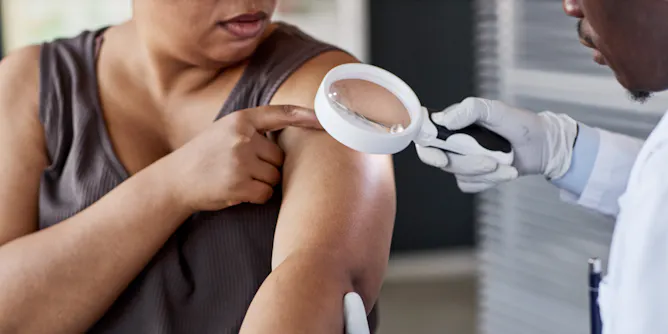
These apps and software programs could provide access to lifesaving screening – if researchers can find a way to remove the baked-in bias.
Articles on Skin cancer
Displaying 1 - 20 of 116 articles
Monoclonal antibody drugs like Keytruda attack cancer cells in a different way to chemotherapy drugs.
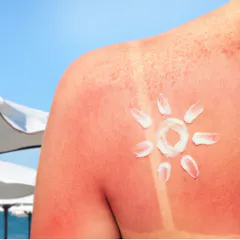
Addressing sun exposure misinformation, such as online tanning trends and sunscreen myths, is important, but effective advice about UV protection is crucial, too. ‘No tan, no burn’ is the goal.
Among a range of proposed reforms, Australia’s therapeutic goods regulator outlines 3 options for SPF labelling – including removing the numbers altogether.

The new study shows the number of moles on almost 4,000 children dropped by 47% between 1992 and 2016. But here’s what parents still need to watch for.

Australian health authorities have been encouraging ‘no hat no play’ for 100 years.
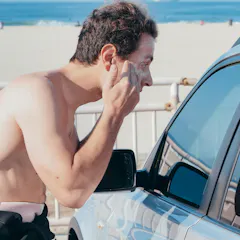
When choosing a sunscreen, there are four non-negotiables.
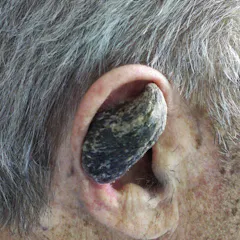
Keratin is the tough protein that forms hair, nails and hooves. It’s also responsible for something far stranger: human horns.
While sunscreen remains essential, researchers say vitamin B3 may soon join the frontline of skin cancer prevention.
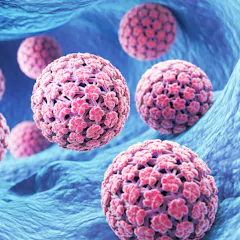
A recent case study has raised questions about whether HPV-driven skin cancer could be a wider, previously unrecognised problem.

Our warm weather season is short, and it’s important to enjoy the outdoors. The point isn’t to be sun-scared — just stay sun-safe.
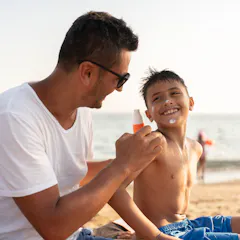
The Therapeutic Goods Administration is recommending extra safeguards for two ingredients and a sunscreen ingredient by-product.
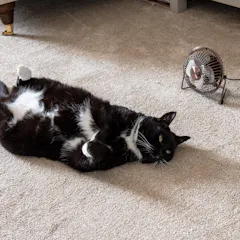
Sunburn and skin cancer in pets explained.
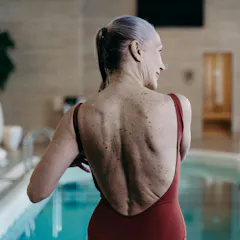
A big freckle or a sunspot? A flat mole or a dark freckle? Here’s how to tell the difference between the three – and when to get a spot checked for skin cancer.
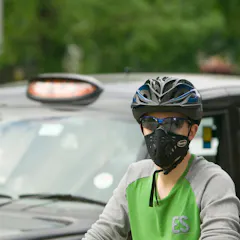
A new study has linked higher levels of air pollution to a reduced risk of developing melanoma, but an oncologist warns that the results may be misinterpreted.
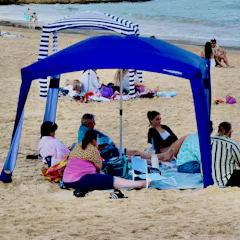
Beach cabanas serve a valid purpose. But make sure you use them carefully and responsibly, so everyone’s day at the beach is safe and enjoyable.

Sun exposure can cause mutations that promote skin cancer. Getting them early in life means they have more time to overwhelm the body’s protective mechanisms.
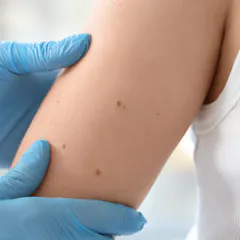
Blanket screening Australians for skin cancer might lead to more diagnoses but not necessarily save more lives or be cost-effective.
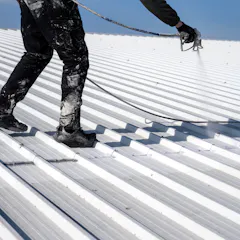
Light-coloured footpaths, roads and other surfaces are increasingly used to reflect the sun’s rays and cool our cities. But they also reflect cancer-causing UV radiation.
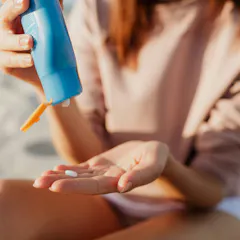
Some TikTokers claim it’s healthier to forgo sunscreen to get the full benefits of sunshine. Here’s what the science says.
Top contributors
-

Postdoctoral Researcher, Dermatology Research Centre, The University of Queensland
-
Adjunct Professsor, School of Psychology, Faculty of Health and Medical Sciences, Adelaide University
-
Adjunct Professor, School of Psychology, Curtin University and College of Health and Medicine, Australian National University
-
Professor of Dermatology, The University of Queensland
-
Professor, Department of Biomedical and Life Sciences, Lancaster University
-
Professor of Dermatology, The University of Melbourne
-
Professor in Behavioural Science, The University of Queensland
-
Senior Lecturer Princess Alexandra Hospital Southside Clinical Unit and Casual Research Assistant, The University of Queensland
-
Chief Specialist Scientist (Public Health), South African Medical Research Council
-
Professor of Biomedical Sciences, Anglia Ruskin University
-
Research Manager, The University of Queensland
-
Assistant Professor of Internal Medicine (Division of Dermatology), The University of Texas at Austin
-
Senior Research Officer, Blood Cells and Blood Cancer, WEHI (Walter and Eliza Hall Institute of Medical Research)
-
Professor and Senior Group Leader, QIMR Berghofer
-
Director Radiation Research and Advice, Australian Radiation Protection and Nuclear Safety Agency (ARPANSA), and Adjunct Associate Professor, University of Wollongong