
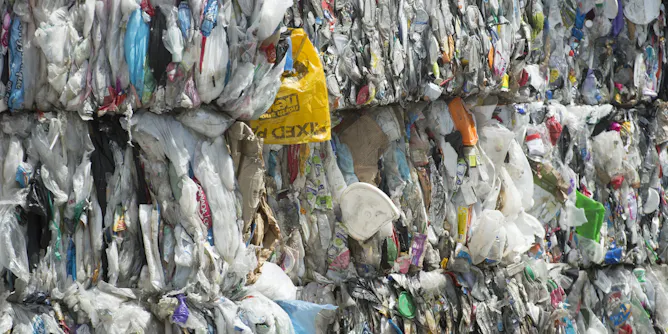
The global focus on plastic pollution isn’t a distraction from other planetary issues.
Articles on Single-use plastic
Displaying 61 - 71 of 71 articles
Without action, the amount of plastic waste produced globally could reach as much as 265 million tonnes per year by 2060.

By 2025, Canada’s population could include five million people who live alone. Those who live alone tend to cook less, but the food industry has plans for them.
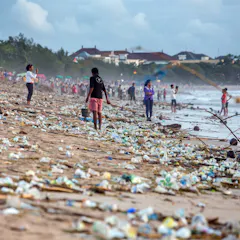
Asian countries have become a dumping ground for the plastic waste from wealthy countries.
Every day we throw away plastic and every day we’re reminded of its environmental impact. Why can’t something be done about it?
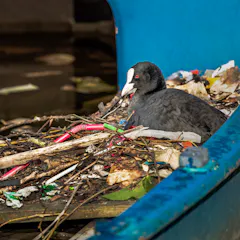
Fast-food restaurants and coffee shops are banishing the straw. While it may seem like a small measure, your pessimism isn’t justified.
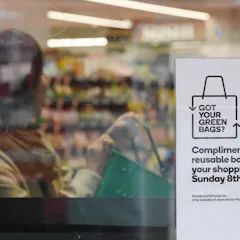
Meet the ‘Yeah-buts’ - those who know plastic is bad for the environment, but can’t get behind the bag ban because it affects their own convenience. This mindset can stall the best-laid green plans.
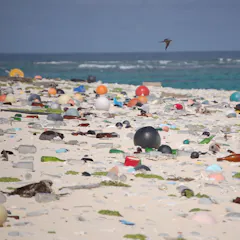
We’re drowning in plastics. With governments setting un-ambitious targets, corporations are now listening to consumers who are demanding less plastic packaging and food containers.

We can safely say goodbye to most single-use plastics. But they do have essential uses in some areas, such as for medical or scientific samples, or storing food for humanitarian aid.
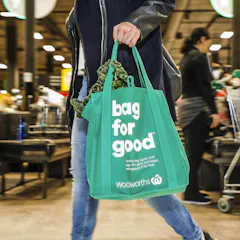
Plastic bags will soon be gone from major supermarkets and many other shops too. Campaigns to reduce plastic even more should focus on positive advice, rather than shaming shoppers for their plastic use.
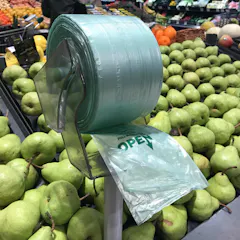
The success of the plastic bag ban announced by Australia’s big two supermarkets will hinge on whether they can persuade customers to change an engrained behaviour - without annoying them.
Top contributors
-

Professor, School for Resource and Environmental Studies, Dalhousie University
-
Professor of Ocean Policy and Economy, University of Portsmouth
-
Professor of Law and Associate Dean for International Affairs, Wake Forest University
-
Senior Principal Research Scientist, Environment, CSIRO
-
Research Chair, Indigenous Approaches to Environmental Management, Keele University
-
Associate Professor in Arts and Sustainability, University of Portsmouth
-
Director - Global Plastics Policy Centre, University of Portsmouth
-
Senior Principal Research Scientist, CSIRO
-
Professor of Global Environmental Politics, University of California, Berkeley
-
Senior Lecturer, Ecotoxicology and Conservation Unit, Department of Zoology, Faculty of Science, University of Lagos
-
Associate professor, University of Portsmouth
-
ARC DECRA Fellow, Institute for Marine and Antarctic Studies, University of Tasmania
-
Scholarly Fellow, Disability and Community Inclusion, Flinders University, Flinders University
-
Director, Agri-Food Analytics Lab, Professor in Food Distribution and Policy, Dalhousie University
-
Professor of Sociology, Monash University