
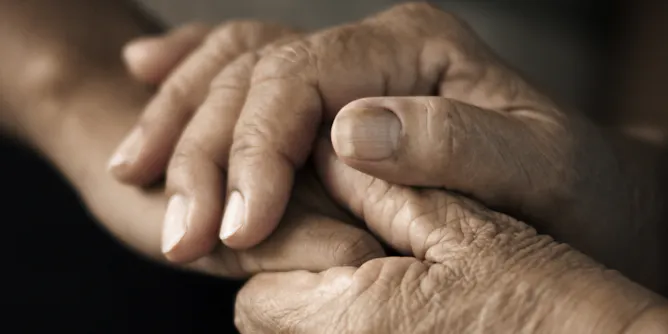
It is clear nature and nurture are factors in suicidal behaviour. But how they interact now needs to be investigated further.
Articles on Self-harm
Displaying 41 - 60 of 66 articles
Young people turn to social media for support and encouragement, when society fails to help.
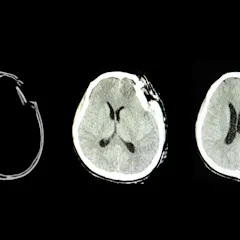
Women in prison with brain injury are at increased risk of substance abuse, poor mental health and suicide. Yet support for these women is scant.

From food insecurity to cyberbullying and teenage suicide, Canada scores low on child health.

The arts can help schools to really tackle the mental health crisis.

Despite the controversy over the graphic content, this Netlix drama could be a lifeline for young people.

Eminem’s Stan – how the childhood trauma of Eminem’s superfan played its part in a tragic story.

A good starting point to find out why people self-injure is to ask them about their reasons for this behaviour.

We often hear reports of the effect of social media on teens’ mental health. So what does the science say about it?

The UK has the highest rates of self-harm in Europe.

A new psychological intervention can help any parents - even those crippled by fear and self-blame - to become powerful recovery coaches to children with eating disorders.

If a child is old enough to ask about suicide, then they’re probably old enough for a discussion about it.

Poor sleep in infants and children has been linked to an array of problems, from aggression to poor school performance to diabetes, obesity and suicide. Our expert reviews the science.

Youth suicide has reached a ten year high, but suicide and self-harm are still taboo topics in schools.

A snapshot of Australian teens shows most doing well, but as a group they are still plagued by suicide risk, self-harm and mental health problems.

When teen romance crashes, adults often see it as trivial or “character building.” The truth is, breakups are a major cause of suicide, drug use and self-harm.

What schools should be doing to deal with the crisis in children’s mental health.
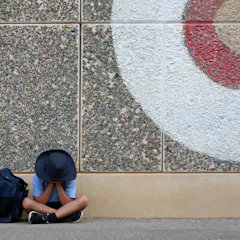
When it comes to bullying, there is a common misconception that children neatly fall into a category of bully, victim, or not involved. This is not the case.
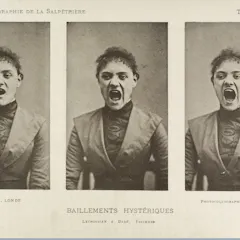
Psychiatrists in the 19th century began attributing self-harm to a desire to manipulate others.

I conducted interviews with 26 young women in alcohol and drug treatment services in Victoria. More than half of them disclosed a history of sexual abuse and 20 spoke about cutting themselves.
Top contributors
-

Clinical Professor of Public Health and Psychiatry, Swansea University
-
Senior Research Fellow, University of Manchester
-
Associate Professor in Medical Anthropology, University of Birmingham
-
Research Assistant & PhD Candidate in Mental Health, Swansea University
-
Professor of Psychology, University of Guelph
-
Professor of Psychology, Curtin University
-
Executive Manager, Longitudinal Studies, Australian Institute of Family Studies
-
Senior Lecturer in Psychology, University of the Sunshine Coast
-
Professor, University of Sydney; RMIT University
-
Research Project Manager, School of History, Queen Mary University of London
-
Clinical Psychologist, Deakin University
-
Honorary Postdoctoral Associate, Macquarie University
-
Research Associate, Wolfson College, University of Cambridge
-
Assistant Professor of Psychology, Heriot-Watt University
-
Senior research fellow, Australian Institute of Family Studies