
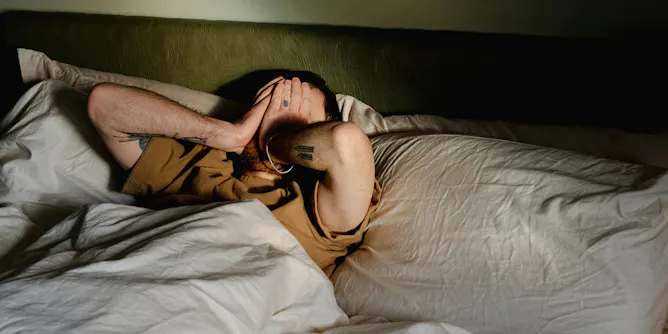
February creates a perfect storm for night owls: limited daylight and the added burden of ‘social jet lag’ layered with circadian misalignment. Here’s how to get through the dark days.
Articles on Seasonal affective disorder
Displaying 1 - 20 of 25 articles

Like many of us, Orwell saw January as a month to be endured rather than enjoyed.

Using evidence-based strategies that focus on mindset, light exposure, activity, rest and social connection can help people beat winter-related low mood.

Winter doesn’t have to be a season we simply endure. With intention and a evidence-based practices, it can become a time of meaning, connection and even joy.

The key answer lies in our brain – and how our body is hardwired to respond to light and temperature changes.
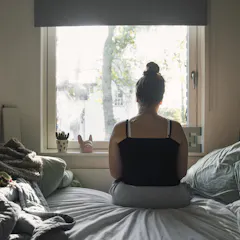
Many of us feel sluggish or less social when it’s colder. But seasonal affective disorder is more than just a slump.

Here are just some of the ways light is important for our wellbeing and mental health.

Researchers have found that music with a fast tempo, written in the major mode evokes a sense of happiness.

Some of winter’s effects have been tied to cultural norms and practices, while others likely reflect our bodies’ innate biological responses to shorter days and colder weather.

SAD is a debilitating condition affecting many people, but there is light at the end of the tunnel.

Parents spend more time actively engaged with their kids – such as helping with homework or reading together – during the school year than during summer. But the difference is almost three times greater for moms than for dads.

Reaching for pasta or a bowl of comforting soup? Here’s how the cooler months can affect our cravings.

Day to day, sunshine might not affect our mood – but light and dark seasons do.

Research shows that young adults and women are particularly susceptible to seasonal affective disorder.

‘Sad’ is most common during the colder months.

From boosted mood, to improved sleep, to more impetus to be outdoors and socialise, longer daylight can have a variety of direct and indirect benefits on our wellbeing.

One in three people struggle throughout the winter months with seasonal affective disorder.

Exercise can improve mood and mental health, which may drop during the winter months.
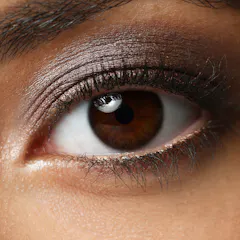
One study found that people with brown eyes were more susceptible to the disorder.

These four “natural” therapies for depression have rigorous, peer-reviewed scientific studies to support their use.
Top contributors
-

Clinical Associate Professor, Faculty of Social Sciences, University of Nottingham
-
Professor of Psychology, University of Vermont
-
Fellow in Global Journalism, University of Toronto and Assistant Clinical Professor, General Internal Medicine, McMaster University
-
Research Fellow, Harvard Medical School, Research Fellow, Florey Institute of Neuroscience and Mental Health
-
Postdoctoral fellow, Penn State
-
Professor of Psychiatry, Wayne State University
-
Associate Professor, Centre for Positive Health Sciences, RCSI University of Medicine and Health Sciences
-
Principal Lecturer, Mental Health, University of South Wales
-
Lecturer in Applied Psychology/Clinical Psychologist, Glasgow Caledonian University
-
PhD student, Psychology, University of British Columbia
-
Associate Professor of Psychology, Arizona State University
-
Assistant Professor of Economics, Southern Utah University
-
Professor of Experimental Psychology, University of the West of Scotland
-
Chancellor's Professor, Psychology, Carleton University
-
Assistant Professor of Psychiatry, Wayne State University