
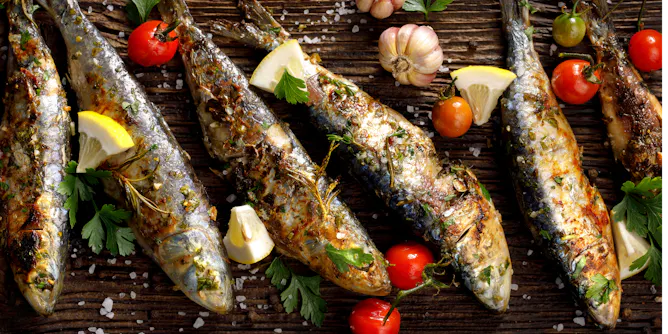
As the ocean temperature rises, many marine species are moving toward the north and south poles in search of cooler waters, thus rewriting the menus of seafood restaurants on the West Coast of Canada.
Articles on Seafood
Displaying 21 - 40 of 70 articles
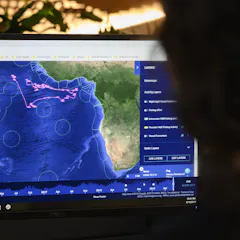
One of the oldest industries, fishing, is entering the world of advanced analytics and data-driven planning. With oceans under stress and key fish stocks dwindling, can precision fishing help?
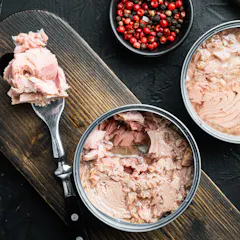
A tin of tuna is significantly cheaper than many types of fresh meat or fish. But how much can you eat before you need to worry about mercury?
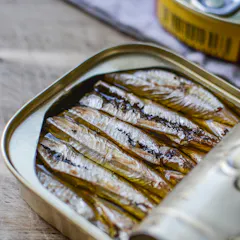
Farming shellfish instead of large, predatory fish, is also better for the planet.
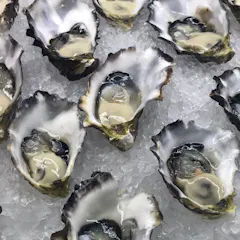
It’s a great time to buy sustainable Australian seafood, from cheaper lobster to farmed prawns and oysters. Here’s how.
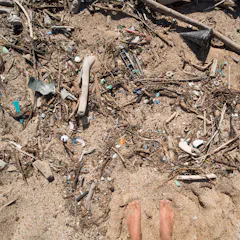
An estimated 8 million metric tons of plastic waste enters the ocean each year – equivalent to dumping in a garbage truckload of it every minute. A new report calls on the US to help stem the deluge.
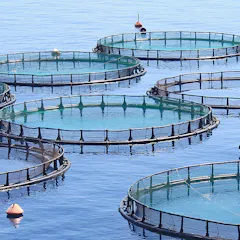
Ecolabelled seafood fetches higher prices in supermarkets, giving retailers and producers the incentive to up their sustainability game.
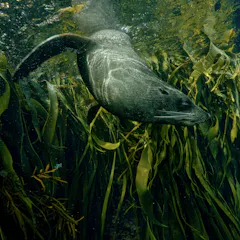
The industry says the deterrent is necessary, but evidence suggests the devices pose a significant threat to some marine life, including maiming and killing seals.
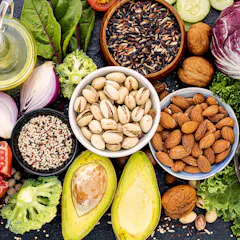
A new study puts numbers to the health and environmental benefits – or impacts – of individual foods and shows how small changes can make a significant difference.
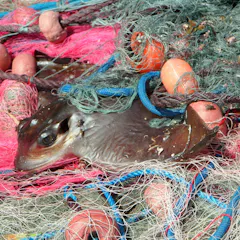
Tackling bycatch in large-scale fishing can make our seafood habit more sustainable
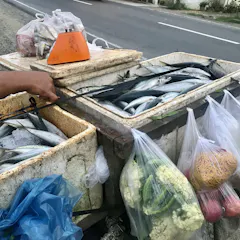
Local, flexible buyers and networks helped support small-scale seafood supply chains coping with COVID-19 disruptions.
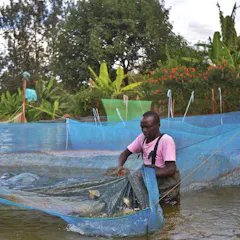
Aquaculture is a growing source of healthy protein for millions of people around the world, but there are big differences between farming fish on land and at sea.
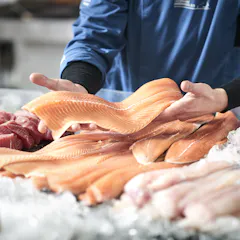
When fish are out of water, consumers are out of their depth.

When British colonials came to Australia, they stuck to their winter Christmas traditions of roast meats and plum puddings. But over the centuries, Australians found their own ways to celebrate.

Fish farms feed millions of people around the world, but they also consume a lot of fish that are dried or ground up to make aquafeed. Researchers are developing more sustainable alternatives.
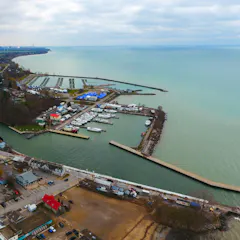
Working waterfronts are a key link between consumers and seafood, but are increasingly threatened by developers. Policies need to ensure that waterfronts remain accessible to seafood harvesters.
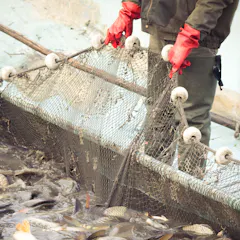
One in six fishers in the Gulf of Thailand have been coerced or deceived into working against their will.
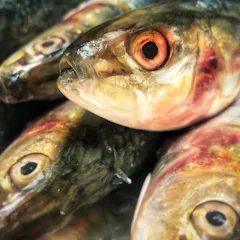
The oils in fish are excellent buffers against disease. Why don’t we eat more fish?
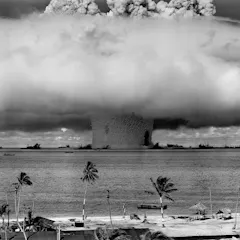
Marine fish could serve as a crucial global emergency food supply in times of crisis, if marine ecosystems were in a healthy state to start with.
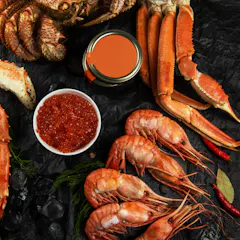
We found 92 threatened species reported in industrial catch records. This is shameful and unnecessary.
Top contributors
-

Associate Professor in Conservation Biology, The University of Queensland
-
Professor of International Development, Michigan State University
-
Postdoctoral research fellow, Centre for Biodiversity and Conservation Science, The University of Queensland
-
Professor of Marine Biodiversity, Liverpool John Moores University
-
Professor of Aquatic Resources Development, University of Stirling
-
Pew Marine Fellow; Marine Policy Advisor, Oceana Europe & Research Scientist, Technical University of Denmark
-
Faculty Research Associate in Marine Biology, Arizona State University
-
Communication Manager - CSIRO Oceans and Atmosphere, CSIRO
-
Cornelia H. Dudley Professor of Psychology, Knox College
-
Professor of Economics, Colorado State University
-
Professor of Ecotoxicology of Delta and Coastal Waters, Vrije Universiteit Amsterdam
-
Senior Principal Research Scientist, Environment, CSIRO
-
PhD Candidate in Marine Ecology, The University of Western Australia
-
Professor in Palaebiology, University of Bristol
-
Research Ecologist, National Oceanic and Atmospheric Administration