
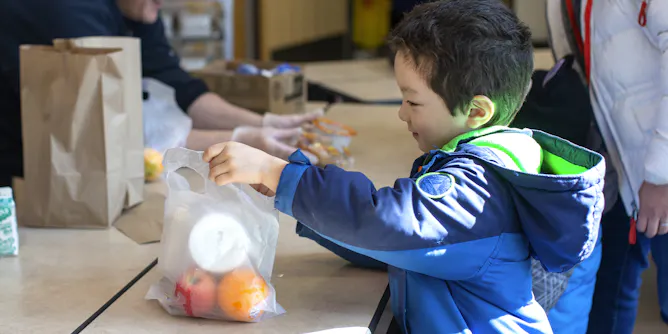
An expert on food policy explains how the end of COVID-19 waivers will impact children’s access to food, as well as the importance of food banks and pantries.
Articles on School lunches
Displaying 21 - 38 of 38 articles
A food policy expert explains how school lunches changed during the COVID-19 pandemic and what’s wrong with going back to the normal system now.
Many school lunchbox products are now heavily marketed as promoting gut health. The limited regulation of such claims leaves it to parents and carers to assess whether they really stack up.

Expanding free lunch programs could also reduce stigma for students, lower administrative burdens for schools and create jobs for communities.

‘Local, organic, sustainable’ are common buzzwords on US restaurant menus now, but it wasn’t always that way. Alice Waters and her restaurant, Chez Panisse, helped put them there.
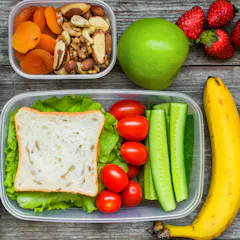
We developed a healthy lunchbox program. Here, we provide parents with ideas for swapping unhealthy foods kids might like to healthier ones comparable on cost, taste, texture and preparation time.
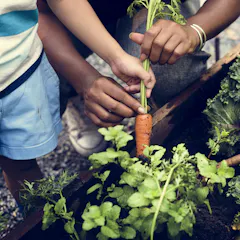
Ontario’s proposed Food Literacy Act for Students, a first in Canada, would mean students in grades 1-12 have opportunities to grow food and prepare food and learn about local foods.
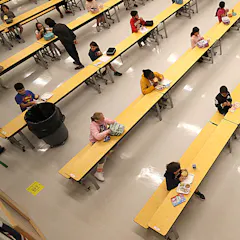
Students are spreading out when they eat and using more single-serve packaging. Future changes to school meals could be less visible.
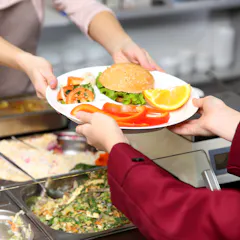
School food programs should be key elements of governments’ COVID-19 responses. In planning these, the relationships that are part of providing food matter.

Obesity crisis: pizza, pastries, chips, donuts, cookies, hot dogs, and burgers – just your average school lunch.

Backpack programs that give students easily prepared foods, like boxed macaroni and cheese and canned beans, can make a difference.
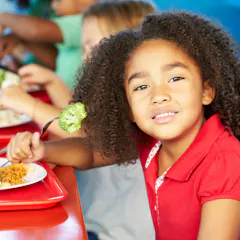
A well-planned national school food progam in Canada could be a huge boost to children’s health outcomes, long-term healthcare spending and local agriculture and economies.
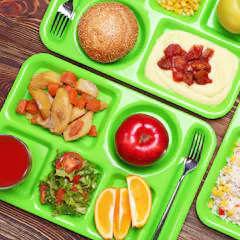
There would be many benefits from a national school food program, including a chance to teach children healthy eating habits that could last a lifetime. Why can’t it happen?

The good news is that the bacteria that cause food to spoil are quite different to the bacteria that typically cause food poisoning, and generally don’t make you sick.
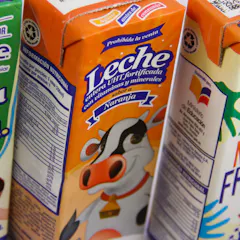
Up to 25% of Ecuadorian children suffer from malnutrition, and the country’s sugary school snacks aren’t helping. Kids need healthful, fresh food — not high-calorie humanitarian aid.

As Canadian kids head back to school this week, many will be hungry. Lacking fruits, vegetables and other nutritious foods, they will suffer mood problems, disease and low academic performance.
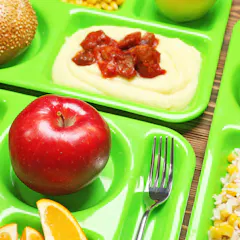
Students with unpaid meal debts have been experiencing some shaming policies at school. New rules are aimed at protecting these children, but the real solution may lie in free meals for all.
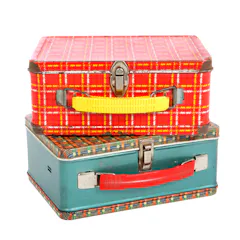
Ravenous students, busy parents, nutrition professionals and school officials all have their own ideas about what belongs on the school lunch table. Plenty of criticism centers on the unhealthiness of…
Top contributors
-

Postdoctoral Fellow, Department of Community Health and Epidemiology, University of Saskatchewan
-
Professor of Human Development and Family Sciences, University of Connecticut
-
Professor of Health Promotion, Dalhousie University
-
Professor, Department of Community Health and Epidemiology, University of Saskatchewan
-
Associate Professor of Food, Nutrition and Health, University of British Columbia
-
Senior Research Fellow, Caring Futures Institute, Flinders University
-
Lecturer In Nutrition & Dietetics, University of the Sunshine Coast
-
Postdoctoral research associate, Flinders University
-
Professor of Nutrition and Dietetics, Flinders University
-
Assistant Professor, Education Studies, College of Education, University of Oregon
-
Associate Professor, School of People, Environment and Planning, Te Kunenga ki Pūrehuroa – Massey University
-
Assistant Professor of Food and Nutrition, University of Georgia
-
Postdoctoral Researcher, University of Newcastle
-
Chester D. Tripp Professor of History, Yale University
-
Assistant professor, University of California, Irvine