
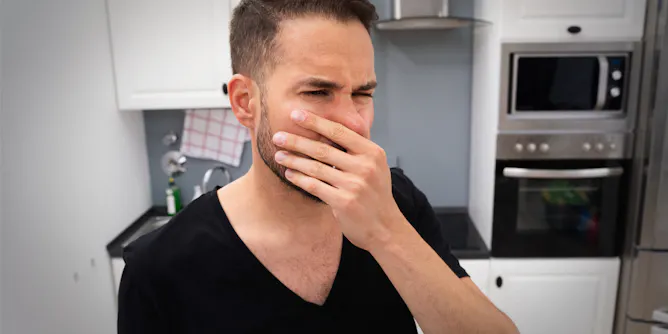
Next time your colleague funks up the break room, consider leaving a passive aggressive copy of this article nearby, so they can understand the chemistry involved.
Articles on Scents
Displaying 1 - 20 of 27 articles

Humans have the hardware for scent, but hygiene and fragrance norms shape what we notice, fear and judge.
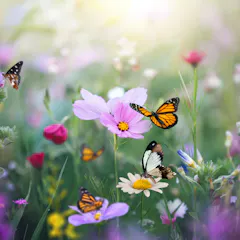
Uniquely colored flowers with big blooms might make for an aesthetically pleasing garden, but they can be unhelpful to pollinators. Careful consideration can help you plan a colorful and eco-friendly garden.

Once thought to be an unhealthy experience, researchers now know that feelings of nostalgia can promote greater social connectedness and a deeper sense of meaning and purpose.
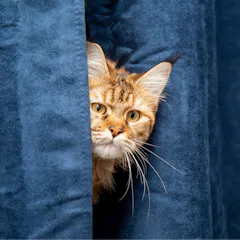
If your cat spends a very long time sniffing something, it means the thing is unfamiliar.
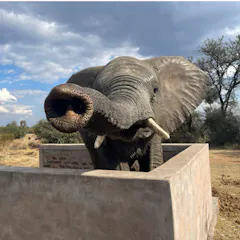
African savannah elephant numbers are surging. But for farmers in elephant territory, that can spell disaster. To solve human-elephant conflict, we might need to use smell.

New research shows how supermarkets can use the smell of mixed herbs such as thyme, rosemary, oregano and basil to influence shoppers buying choices.

The science of smell is an exciting area of research.

Conservation dogs perform vital roles across Australia. Some are guardians protecting wildlife from predators while others put their powerful sense of smell to use as sniffer dogs or detection dogs.

Human scent could one day be used as evidence in forensics and as diagnostic information in medicine.
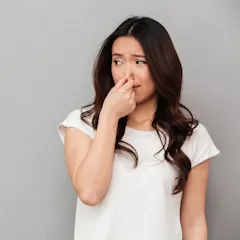
The microbiome and its signature smells are crucial for most organisms, whether human, insect or plant. The silent signals sent by the microbiome are essential communications that influence behaviour.

There’s a lot of interesting science behind the fermenting, roasting, grinding and melting that turns chocolate into the bars, bonbons and baked goods you know and love.
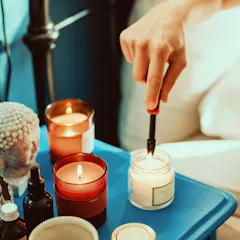
Indoor air quality is affected by many things – and intentionally releasing a mix of chemicals is high on the list.
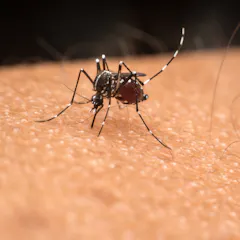
Mosquitoes can track down potential hosts using the CO2 released by humans’ metabolic processes, a medical entomologist explains.

Research into fox scents suggests a complex form of ‘chemical communication’ underlies the animal’s behaviour. The findings could help improve pest control methods and protect native wildlife.
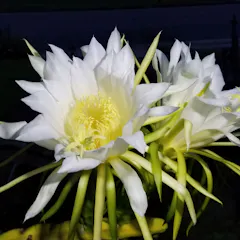
Not all flowers smell good, to people at least, but their scents are a way to attract pollinators.

The stench was once thought to originate from plants, but scientists have now pin-pointed its true origin.
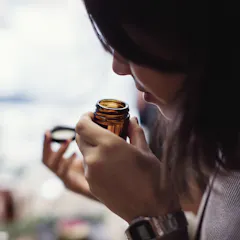
Brains recognize a smell based on which cells fire, in what order – the same way you recognize a song based on its pattern of notes. How much can you change the ‘tune’ and still know the smell?

Mmmmmmm. That smells delicious. Wait, how do you know that?
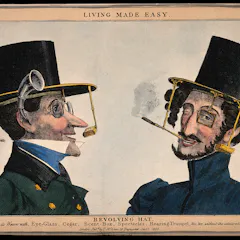
The history of smell in 18th-century England reveals the complex story of scent and personal space.
Top contributors
-

Lecturer, UNSW
-
Research Scientist in Epidemiology, T.H. Chan School of Public Health, Harvard University
-
Professor of Herpetology, Environmental Physiology and Physiology, Ecology and Evolution, University of the Witwatersrand
-
Associate Professor, Literary Studies, Deakin University
-
Professor of Psychology, University of Stirling
-
Instructional Assistant Professor of Atmospheric Sciences, Texas A&M University
-
Professor of Chemistry and Biochemistry, Florida International University
-
Lecturer in History, Anglia Ruskin University
-
Postdoctoral Researcher, Lawrence Livermore National Laboratory
-
Assistant Professor of Chemistry and Food Science, Framingham State University
-
Research Associate, Ph.D., University of Maryland, Baltimore County
-
Associate Professor, Department of Physiology, Monash University
-
Professor of Evolutionary Biology, University of Cambridge
-
Associate Professor of Analytical Chemistry, Dublin City University
-
PhD Candidate, School of Animal, Plant and Environmental Sciences, University of the Witwatersrand