
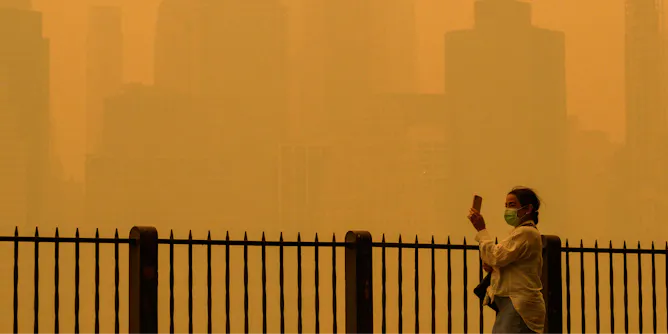
To understand what’s in the smoke you might be breathing, you have to look at where it’s been.
Articles on Volatile organic compounds (VOCs)
Displaying 1 - 20 of 32 articles

A home might appear fine, but toxic contamination isn’t always evident by sight or smell. An engineer share safety tips for the recovery.

How those claims about the air purifying qualities of plants stack up.
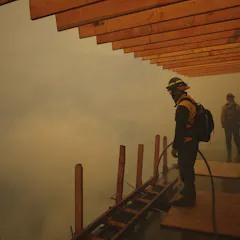
When cities burn, plastics, electronics, cleaning chemicals and much more create a toxic brew. Studies launched during the LA fires a year ago show exposure is often strongest inside homes.

Levels of toxic compounds emitted by the Inpex LNG facility in Darwin are substantially higher than first estimated, posing risks to public health.
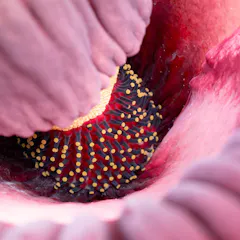
When a corpse flower bloomed on campus, atmospheric scientists got to work. What they discovered provides new evidence about the unique pollination strategies of a very unusual flower.
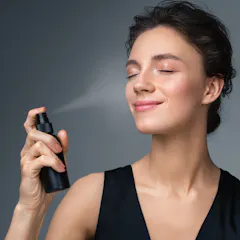
Personal care products, such as hairspray, perfume and deodorant, can contain potentially toxic chemicals. Here’s what you need to know.
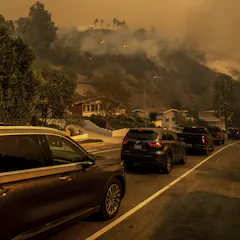
The chemicals emitted when buildings and vehicles burn can find their way into nearby homes. Studies show the health risks can stick around.
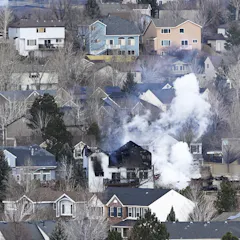
A series of surveys in the months and years after the devastating blaze near Boulder revealed continuing health concerns in surviving buildings, and tips for how to clean up smoke-damaged homes.
How do plants communicate, and how does it differ from us?

Just like fires can contaminate municipal water systems by melting pipes, farms’ and ranches’ water supply systems are at risk. A first-of-its-kind study after the Maui fires explores the harms.

The science of smell is an exciting area of research.

Green plants produce a specific gas when under attack to both directly ward off herbivores and pathogens and indirectly lure in herbivore predators.
These pollutants can originate from many common household products – including vinyl flooring, plastic toys, cleaning products and furniture.
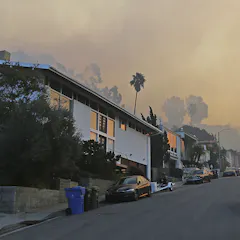
Wildfire smoke, even from fires far away, carries potentially harmful gases that, once inside, tend to stick around. An air quality specialist offers an easy, cheap, effective way to deal with it.

Human scent could one day be used as evidence in forensics and as diagnostic information in medicine.
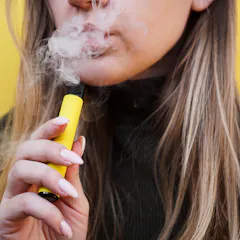
It’s not just the ingredients we should be concerned about. The devices themselves release chemicals that end up in our blood and urine.
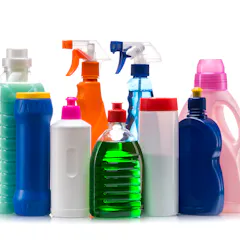
Manufacturers don’t usually have to disclose what’s in products like shampoo and household cleaners, but a new study finds that these products can contain hazardous ingredients.
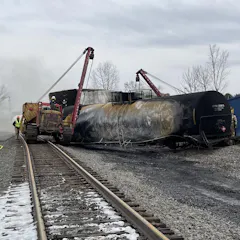
The slow release of information about the chemical spill and results of air and water tests have left many questions about the risks and long-term impact.

There’s a lot of interesting science behind the fermenting, roasting, grinding and melting that turns chocolate into the bars, bonbons and baked goods you know and love.
Top contributors
-

Professor of Civil, Environmental and Ecological Engineering, Purdue University
-
Associate Professor of Geography, University of Colorado Boulder
-
Professor of Chemistry and Biochemistry, Florida International University
-
Professor of Chemistry, Colorado State University
-
Research Fellow in School of Public of Health, University College Cork
-
Research scientist, University of Colorado Boulder
-
Professor, The University of Queensland
-
Postdoctoral Fellow in Microbial Ecology, Institut national de la recherche scientifique (INRS)
-
Professor of Chemistry, University of Colorado Boulder
-
Researcher, Université du Québec
-
Associate Professor of Analytical Chemistry, Dublin City University
-
Associate Project Scientist and Continuing Lecturer in Environmental Health Sciences, University of California, Berkeley
-
Forensic Science Lecturer / Postdoctoral Research Associate, Florida International University
-
Visiting Scholar, Social Science Environmental Health Research Institute, Northeastern University, Northeastern University
-
Research Scientist, Cooperative Institute for Research in Environmental Sciences, University of Colorado Boulder