
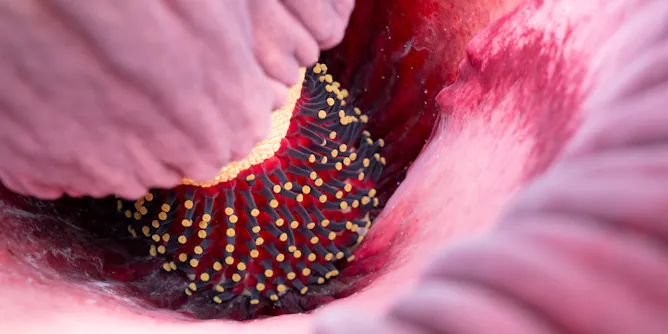
When a corpse flower bloomed on campus, atmospheric scientists got to work. What they discovered provides new evidence about the unique pollination strategies of a very unusual flower.
Articles on Science of smells
Displaying all articles

Small, high-speed odour sensors are a step towards robots with a sense of smell.
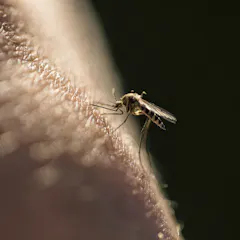
Certain viruses like dengue and Zika can make their hosts smell tastier to mosquitoes. Luckily, vitamin A and its derivatives may help combat these odor changes.
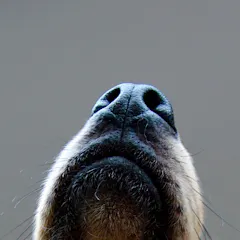
Understanding how the brain translates smells into behavior change can help advance search and rescue technology and treatments for neurological conditions.
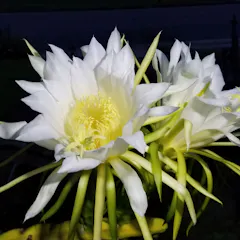
Not all flowers smell good, to people at least, but their scents are a way to attract pollinators.
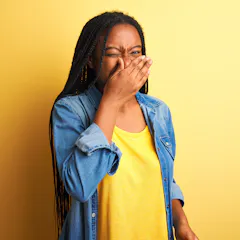
Hyperosmia is relatively rare, but there are many reasons a person might develop this condition – even temporarily.
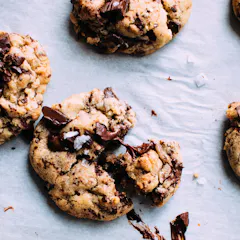
Mmmmmmm. That smells delicious. Wait, how do you know that?
Researchers are currently looking into these reports to confirm whether loss of smell is an early indication of COVID-19.
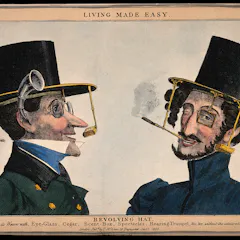
The history of smell in 18th-century England reveals the complex story of scent and personal space.
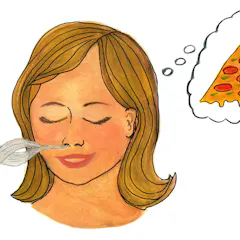
The parts of the brain that get ‘smell signals’ from the nose also do other things, such as storing memories or provoking emotions. That is why some smells can bring back old memories.

A weather expert explains where petrichor – that pleasant, earthy scent that accompanies a storm’s first raindrops – comes from.
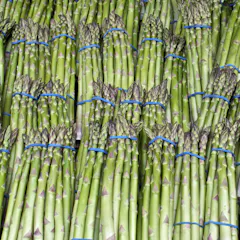
Perhaps you’ve noticed something unusual in the bathroom after you consume this healthy spring vegetable. A Speed Read explains there’s two parts to the stinky puzzle: production and perception.
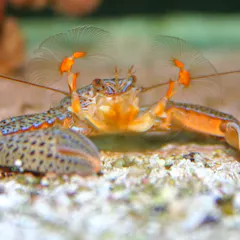
‘Smell-free seas’ would be a disaster for marine life.
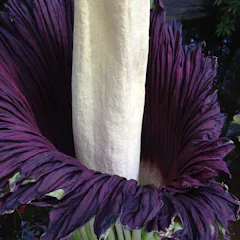
When people say ‘say it flowers’, you can bet they’re not talking about titan arum.
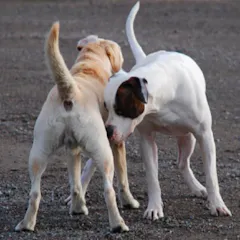
After a handshake, we learned this week that we sniff our hands. But why? Hand smells are not all that interesting in themselves. This points to possibilities that you might not want to hear.
Top contributors
-

Professor of Rhinology and Olfactology, University of East Anglia
-
Senior Lecturer in Chemistry, University of Birmingham
-
Senior Lecturer- School of Biomedical Sciences and Queensland Brain Institute, The University of Queensland
-
Professor of Psychology, University of Stirling
-
Postdoctoral Research Fellow in Marine Chemical Ecology, University of Hull
-
Professor of Science Communication and Chemistry, University of Hull
-
Research Scientist in Epidemiology, T.H. Chan School of Public Health, Harvard University
-
Assistant Professor of Neuroscience, California Institute of Technology
-
Lecturer in History, Anglia Ruskin University
-
Trustees of ASU Professor, Arizona State University
-
Provost and Senior Vice President, Lehigh University
-
Professor of Biological Sciences, University of Maryland, Baltimore County
-
Project Manager of the NSF NeuroNex Odor2Action Network, University of Colorado Boulder
-
Research Assistant, University of Maryland, Baltimore County
-
Professor of Civil, Environmental and Architectural Engineering, University of Colorado Boulder